7 Tips What Factors Affect Drug Absorption in the Body?

Time:2026-10-28 Author:Sienna
0%

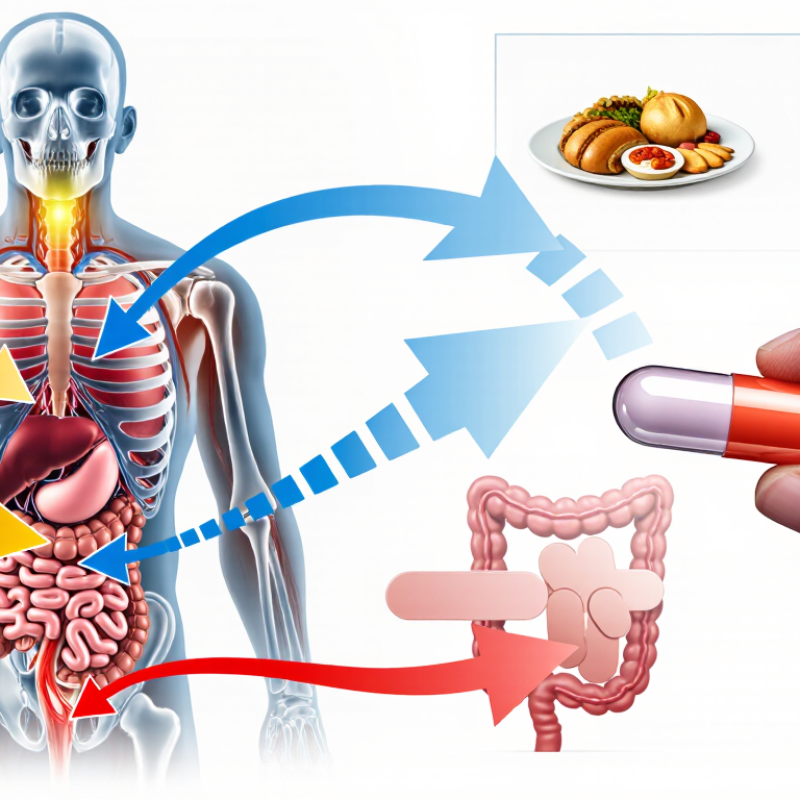
Understanding drug absorption starts with a practical question: What factors affect drug absorption in body? The answer is rarely one simple variable. A tablet swallowed with a full glass of water may behave differently from the same tablet taken after a heavy meal. Small details matter.

In clinical practice, healthcare professionals consider the drug’s formulation, stomach acidity, intestinal movement, blood flow, and contact with the gut wall. Food can delay, reduce, or sometimes improve absorption. Other medicines, supplements, and certain health conditions may also change how a drug enters the bloodstream. Age, pregnancy, liver function, and intestinal disorders deserve careful attention. Timing matters.

These seven tips explain the main influences clearly, using evidence-based principles from pharmacology and patient-care practice. They also distinguish absorption from overall drug effectiveness, because a medicine may enter the bloodstream but still act differently between individuals. No checklist predicts every patient perfectly. That is an important limitation. Real treatment decisions require the product label, reliable clinical references, and advice from a qualified healthcare professional. Readers should avoid changing doses or schedules without guidance, even when a small adjustment seems harmless. A meal, a missed dose, or a glass of juice can sometimes matter more than expected. Careful observation helps, but professional review remains essential.
7 Tips What Factors Affect Drug Absorption in the Body?

Trace the Absorption Pathway: IV Drugs Reach 100% Bioavailability

Intravenous administration is the clearest reference point for drug bioavailability. When a drug enters systemic circulation directly, its bioavailability is considered 100%. The FDA’s guidance defines absolute bioavailability by comparing exposure from another route with intravenous exposure. Pharmacokinetic teams usually measure this exposure through area under the concentration-time curve, or AUC.

The absorption pathway disappears with intravenous dosing. There is no stomach, intestinal wall, food effect, or first-pass liver metabolism. This makes IV treatment useful for urgent care and controlled pharmacokinetic studies. However, 100% bioavailability does not mean 100% drug effectiveness. Distribution, protein binding, metabolism, kidney function, and infusion errors still influence clinical exposure.

The WHO Technical Report Series emphasizes consistent dosing quality and reliable product performance. Patient factors matter too. Dehydration can change circulation. Liver disease may slow clearance. Body temperature and infusion speed can also alter concentrations. A small mistake becomes visible quickly.

For oral medicines, pH, gastric emptying, intestinal movement, formulation, and food can shift absorption. The FDA’s bioavailability guidance recommends comparing systemic exposure, dose, and sampling conditions carefully. That comparison is not perfect. IV exposure provides a strong baseline, but it cannot explain every patient response. My practical takeaway is simple: 100% delivery is only the beginning.

What Factors Affect Drug Absorption in the Body?

Bioavailability is the fraction of an administered dose that reaches systemic circulation unchanged. Intravenous drugs enter the bloodstream directly and therefore have 100% bioavailability, while other routes are affected by absorption barriers, blood flow, drug formulation, metabolism, and transport.

The ranges shown are approximate typical values and can vary substantially with the drug, dose form, patient characteristics, gastrointestinal conditions, and first-pass metabolism. Oral absorption is especially influenced by gastrointestinal pH, motility, food, enzymes, and drug interactions.

Evaluate GI Conditions: Stomach pH 1–3 and Intestinal pH 5–7.5

7 Tips: What Factors Affect Drug Absorption in the Body?

Evaluate GI Conditions: Stomach pH 1–3 and Intestinal pH 5–7.5

Gastrointestinal pH can change how a medicine dissolves and becomes available for absorption. The stomach usually remains strongly acidic, with a pH near 1–3. This environment may help some compounds dissolve, while it can limit others. Weakly acidic and weakly basic substances respond differently to these conditions. The difference matters.

After stomach contents enter the small intestine, pH commonly rises to about 5–7.5. This shift can alter ionization, solubility, and membrane passage. A compound may dissolve poorly in the stomach but absorb better in the intestine. Another may precipitate when the pH changes. Absorption is rarely controlled by pH alone.

Food, vomiting, diarrhea, inflammation, and reduced stomach acid can disturb this process. Certain acid-reducing treatments may also raise gastric pH. However, the effect depends on the medicine’s formulation and chemical properties. Modified-release tablets need special attention. Crushing them can change exposure unexpectedly.

In practice, healthcare professionals consider pH alongside stomach emptying, intestinal movement, bile, and drug stability. Laboratory pH data cannot perfectly predict a person’s response. Human conditions vary. That limitation deserves honest attention. Patients should report persistent digestive symptoms or unexpected treatment effects instead of changing doses independently. A pharmacist can review timing, formulation, and possible absorption concerns using reliable clinical information.

Assess Drug Properties: Solubility, Lipophilicity, Particle Size, and Dose

Drug absorption begins with the formulation, not the tablet label.

Solubility controls how much drug dissolves in gastrointestinal fluid. A poorly soluble compound may pass through unchanged. A 2023 review in Advanced Drug Delivery Reviews reported that about 40% of marketed drugs have low aqueous solubility.

Lipophilicity affects membrane crossing. Moderate lipophilicity often supports passive diffusion. Excessive lipophilicity may reduce water solubility and increase tissue binding. The Biopharmaceutics Classification System evaluates solubility and permeability together. Its practical value is clear, but it cannot predict every patient response. Food, bile salts, and intestinal transit can change the result.

Particle size also matters. Smaller particles provide greater surface area, often improving dissolution speed. Micronization may help, but it does not automatically improve absorption. Agglomeration can erase that advantage. Dose creates another constraint: a high dose may exceed the available solubility volume, leaving solid particles behind. The FDA’s 2022 biopharmaceutics guidance emphasizes dose, solubility, and intestinal volume during classification decisions. A useful development check is simple: measure dissolution at the intended dose, not only at a convenient laboratory concentration. That detail is easy to overlook.

Measure Food and Motility Effects: Gastric Emptying Can Shift by 1–2 Hours

7 Tips: What Factors Affect Drug Absorption in the Body?

Food can change how quickly a medicine leaves the stomach. A high-fat meal may delay gastric emptying by about one to two hours, according to findings discussed in pharmacokinetic reviews. The delay can postpone absorption, especially for medicines absorbed mainly in the small intestine. A full breakfast with eggs, buttered toast, and milk usually behaves differently from a glass of water. It is not only about calories. Fat, meal volume, fiber, and temperature can all influence motility.

The U.S. Food and Drug Administration recommends standardized high-fat meals of approximately 800–1,000 calories in food-effect studies. These studies help researchers compare absorption with fasting conditions. However, clinical responses may vary between individuals. Diabetes, gastrointestinal disorders, stress, and physical activity can alter gastric movement. Some medicines also slow or accelerate motility, creating another variable.

Timing matters.

A one-to-two-hour estimate is useful, but it is not a promise. In practice, I would record the meal time, meal composition, and dosing time before interpreting a delayed effect. That simple record can expose patterns that memory misses. Still, food instructions should follow the medicine’s approved labeling or a qualified clinician’s advice. Trial data often use controlled meals, while real life rarely does. That gap deserves more attention.

Account for First-Pass Metabolism: CYP3A4 Processes About 50% of Drugs

7 Tips: What Factors Affect Drug Absorption in the Body?

Account for first-pass metabolism. CYP3A4 processes about 50% of marketed medicines, according to widely cited pharmacology reviews, including Guengerich’s 1999 review in Pharmacology and Therapeutics. This enzyme is abundant in the intestinal wall and liver. A tablet may dissolve normally, yet much of its active ingredient can disappear before reaching the bloodstream. That is first-pass metabolism.

The effect varies between people. Age, liver function, genetics, diet, and other medicines can change CYP3A4 activity. The FDA’s 2020 Drug-Drug Interaction Guidance identifies enzyme inhibition and induction as major causes of altered drug exposure. An inhibitor may raise blood concentrations. An inducer may lower them. Even a glass of grapefruit juice can matter for some CYP3A4 substrates. Small details matter.

Timing matters too. Food can delay stomach emptying or increase fat-soluble drug absorption. Poor intestinal health may add another variable. In practice, clinicians often review the complete medication list, including supplements and occasional foods. This step is easy to underestimate. However, the “50%” figure is an estimate, not a rule for every medicine. It describes a broad tendency, while each drug requires evidence from pharmacokinetic studies, labeling, and patient monitoring.

FAQS

Why does solubility matter for drug absorption?

Solubility determines how much medicine dissolves in gastrointestinal fluid. Poorly soluble compounds may pass through partly unchanged.

How can lipophilicity affect absorption?

Moderate lipophilicity may support membrane crossing. Excessive lipophilicity can reduce water solubility and increase tissue binding.

Does the Biopharmaceutics Classification System predict every patient response?

No. It compares solubility and permeability, but food, bile salts, and intestinal movement can change individual outcomes.

Can smaller particles improve drug absorption?

Smaller particles create more surface area and may dissolve faster. However, clumping can remove that advantage.

Why should dose be tested during dissolution studies?

A high dose may exceed the available fluid volume for dissolution. Solid particles can remain behind. This is easy to overlook.

How can a high-fat meal change absorption timing?

A meal with eggs, buttered toast, and milk may delay stomach emptying by one to two hours. Absorption may occur later.

Is the one-to-two-hour delay guaranteed?

No. It is only an estimate. Meal size, fat, fiber, temperature, health, and activity can shift the timing.

What information should be recorded when studying food effects?

Record meal time, meal contents, and dosing time. These details may reveal patterns that memory misses. I might still miss something.

Why can controlled food-effect studies differ from daily life?

Studies use carefully measured meals, sometimes near 800–1,000 calories. Real meals vary widely. That gap deserves attention.

Should medicine timing be changed after eating?

Follow approved instructions or qualified clinical advice. Do not rely only on a general food-effect estimate. Timing matters.

Conclusion

Understanding what factors affect drug absorption in body is essential for explaining why the same medicine may work differently from one person to another. The absorption pathway begins with the administration route: intravenous drugs enter the bloodstream directly and provide 100% bioavailability, while orally taken drugs must pass through the digestive system. Conditions in the gastrointestinal tract, including stomach acidity around pH 1–3 and intestinal pH ranging from 5–7.5, can influence how quickly and effectively a drug dissolves and crosses biological membranes.

Drug-related properties also play an important role. Solubility, lipophilicity, particle size, and dose can determine the amount available for absorption. Food may either delay or improve absorption, while changes in gastrointestinal motility and gastric emptying can shift drug uptake by one to two hours. Finally, first-pass metabolism in the liver can reduce the amount reaching circulation; enzymes such as CYP3A4 process approximately 50% of drugs, making dosage timing and administration route important considerations.

Sienna

Sienna

Sienna is a skilled marketing professional with a deep expertise in our company’s core products and services. With a passion for innovation and detail, she plays a pivotal role in crafting insightful blog posts that not only highlight the unique features of our offerings but also provide valuable......