When it comes to medications, many people wonder, "What is the difference between generic and branded drugs?" This question is crucial for informed choices in healthcare. Branded drugs are typically developed by a specific company. They are often marketed under a trademarked name. These medications can be more expensive due to research and development costs.
On the other hand, generic drugs contain the same active ingredients as their branded counterparts. They offer a more affordable option, making them accessible to a larger population. However, some may question their effectiveness or safety. It is essential to understand that both types of medications must meet strict regulatory standards. Both types are evaluated for purity and efficacy.
Patients need to consider various factors when choosing between these options. While cost can be a deciding factor, it is important to review potential side effects and effectiveness. Some users report differences in how they respond to each type. This subject fosters ongoing debates in the medical community. Individual experiences can vary widely. Hence, it is wise to consult healthcare professionals when making decisions about medications.
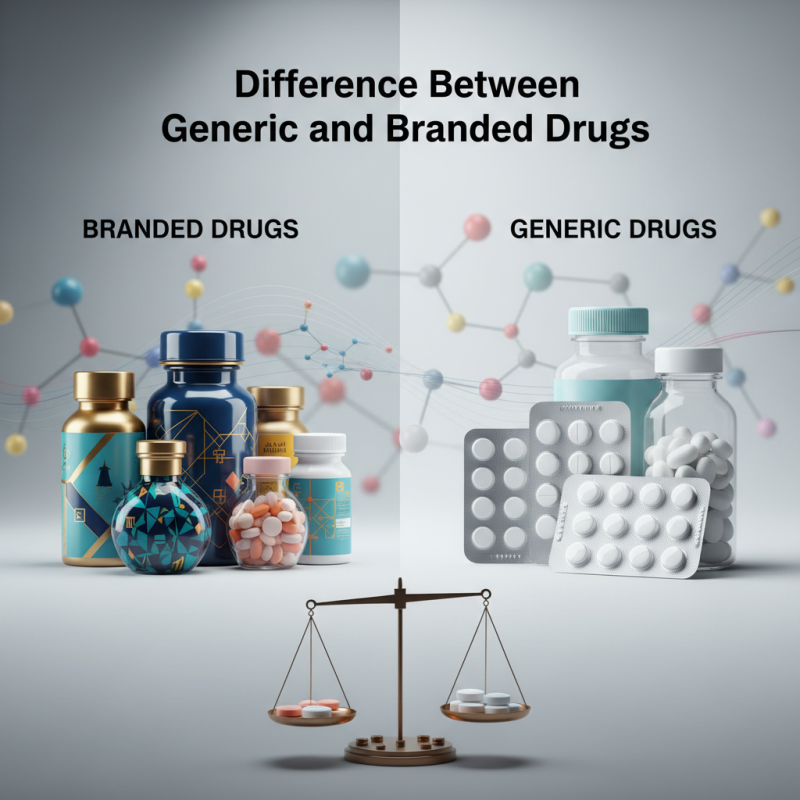
When comparing generic and branded drugs, one key difference lies in their ingredient composition. Branded drugs contain unique formulations developed through extensive research. These formulations include specific inactive ingredients that enhance drug absorption and stability. On the other hand, generic drugs must have the same active ingredient as the branded counterpart. However, the inactive ingredients may vary. This can affect how the drug performs in the body.
The variations in inactive ingredients can lead to different results for some patients. For example, people with allergies may react differently to these ingredients. Additionally, the manufacturing processes can differ between the two kinds of drugs. Generic drugs often aim for cost-effectiveness, which might influence quality.
Patients should consider these aspects when choosing medications. Trusting a healthcare provider can aid in making the right choice. While generics provide a more affordable option, just because they are cheaper does not mean they are less effective for everyone. Each individual's response to a drug can be unique. Therefore, ongoing communication with healthcare professionals is essential.
| Aspect | Generic Drugs | Branded Drugs |
|---|---|---|
| Active Ingredient | Same as branded | Unique formulation |
| Inactive Ingredients | Varies by manufacturer | Specific to brand |
| Bioequivalence | Must meet FDA standards | N/A |
| Cost | Generally lower | Generally higher |
| Prescription Requirement | Yes | Yes |
| FDA Approval | Approved after branded | Initial approval required |
: The main difference lies in ingredient composition. Branded drugs have unique formulations; generics must have the same active ingredient.
Variations in inactive ingredients can lead to different results for some patients, especially those with allergies.
Yes, generic drugs undergo rigorous testing and must meet the same standards set for branded drugs.
Many consumers associate well-known branded names with quality and safety, leading to hesitation about effectiveness.
Generic drugs can save consumers 30-80% compared to branded drugs, totaling over $150 billion annually.
Pharmacists educate patients, address concerns, and clarify misconceptions about the efficacy of generic drugs.
Yes, challenges to perceptions and increased knowledge about generics can help change negative views.
Many consumers mistakenly perceive generics as less trustworthy, despite evidence showing they are equally effective.
Patients should consult healthcare professionals and educate themselves about drug approvals and effectiveness.
It can ensure that patients receive the best medication options tailored to their individual responses.
The article "Difference Between Generic and Branded Drugs Explained" delves into various aspects that differentiate generic drugs from their branded counterparts. Firstly, it discusses the differences in ingredient composition, highlighting that while generics contain the same active ingredients as branded drugs, they may vary in inactive components. The analysis of market share and pricing reveals how generic drugs tend to dominate the market due to lower costs.
Moreover, the FDA approval process is explored to show that generics often have a streamlined pathway compared to branded drugs. Consumer perception plays a significant role in the acceptance of generics, as many still harbor concerns regarding their efficacy and reliability. Finally, the economic impact of using generic drugs is emphasized, showcasing how they contribute to significant cost savings for consumers and the healthcare system. Overall, readers gain a comprehensive understanding of what is the difference between generic and branded drugs, and the implications of choosing one over the other.

 SJ medical