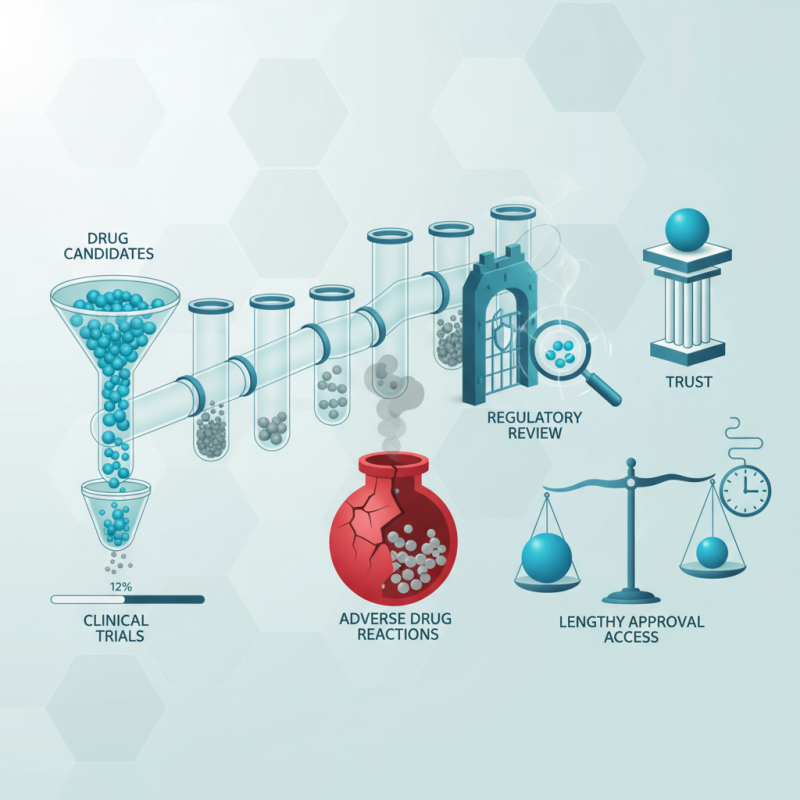
The drug approval process stands as a vital pillar in pharmaceutical safety. "Why is drug approval process strict?" is a question that echoes in the halls of regulatory agencies and pharmaceutical companies alike. According to a report by the FDA, only 12% of drug candidates survive clinical trials. This statistic underlines the rigorous nature of the evaluation process.
Pharmaceutical expert Dr. Alice Johnson emphasizes, "We must prioritize patient safety over expedited approvals." Her insight reflects a broader consensus within the industry. Rigorous testing is essential. A single error can lead to widespread harm. In 2021, adverse drug reactions were reported in nearly 2 million patients, highlighting the need for tight scrutiny.
Alongside safety, the process is designed to build trust. Patients expect that treatments are not only effective but also safe. Critics argue that the lengthy approval times can delay access to innovative therapies. However, the stakes are high. Shortcuts can lead to disasters. Reflecting on this challenge, the industry must continually balance urgency with thoroughness.
The drug approval process is vital for public health. It ensures that new medications are safe and effective before reaching patients. The journey begins in laboratories, where compounds are tested for potential benefits and harmful effects. Scientists conduct rigorous studies to gather data on safety profiles.
Clinical trials play a critical role. These trials involve several phases, each designed to uncover different aspects of a drug's performance. Participants' health is monitored closely. Researchers must report adverse effects or complications promptly. This transparency is essential, although it can be challenging to maintain.
Regulatory agencies evaluate the data. They look for evidence of efficacy and safety. However, the process can be slow. Delays in approval might frustrate those awaiting treatments. Some argue it should be faster, but safety must come first. Balancing speed and safety is a complex task for regulators. Each drug's journey reminds us of the need for careful scrutiny.
The origins of drug safety regulations date back to significant health crises. In the early 20th century, many drugs flooded the market without rigorous testing. This lack of oversight led to tragedies, such as the Elixir Sulfanilamide incident in 1937, which caused over 100 deaths. It highlighted the need for strict standards. In response, the US Congress enacted the Food, Drug, and Cosmetic Act in 1938.
These historical events shaped today’s drug approval process. Regulatory bodies require extensive clinical trials to assess efficacy and safety. Drug developers must provide robust evidence before a product reaches consumers. This thorough evaluation is crucial to prevent harmful side effects and ensure public health.
Tips: Always consult professional healthcare advice before considering any medication. Stay informed about drug recalls and safety alerts to avoid untested products. Consider the long-term implications of pharmaceuticals on your health. It's essential to understand that not all medications are suitable for everyone.
The evolution of drug safety remains an ongoing journey. While regulations protect consumers, challenges persist. New drugs may still pose unforeseen risks, highlighting the importance of continued vigilance and research. Society must remain aware of the balance between innovation and safety.
The chart above illustrates the historical trend in the number of drug approvals over several decades. Notice the significant decline in approvals post-1962, following the introduction of stricter regulations aimed at ensuring drug safety in the wake of the thalidomide tragedy.
The drug approval process is rigorous, reflecting the critical importance of patient safety. Key phases of drug testing span from preclinical studies to extensive clinical trials. In preclinical phases, researchers assess the drug's safety and efficacy using cell cultures and animal models. This stage can take several years and often eliminates 95% of potential candidates.
Clinical trials follow, divided into three phases, each with increasing complexity. Phase I tests safety in a small group of healthy volunteers, while Phase II focuses on efficacy in a larger patient cohort. Phase III involves thousands of patients at multiple sites to gather comprehensive data. According to the FDA, only about 10% of drugs entering clinical trials ultimately gain approval.
Despite these stringent measures, the process is not infallible. Post-marketing surveillance can reveal adverse effects missed during trials. The consequences can be serious, leading to recalls and harm to patients. Continuous reflection and adaptation in the approval process are essential to better protect public health and enhance overall safety.
The role of regulatory agencies in ensuring drug safety is crucial. Agencies like the FDA conduct rigorous reviews to evaluate new medications. This process often lasts several years. Data shows that only about 12% of drugs that enter clinical trials receive approval. This statistic highlights the high standards required for safety.
Each drug undergoes extensive testing for efficacy and potential side effects. Clinical trials usually involve thousands of participants. This diversity helps ensure that drugs are safe across different populations. However, adverse effects can still emerge post-approval, necessitating ongoing monitoring. For instance, the FDA’s REMS program aims to manage risks associated with specific medications.
Tips: Always discuss medication options with a healthcare provider. Stay informed about potential side effects. Reporting any adverse effects is vital.
Regulatory agencies face challenges in balancing swift approvals and thorough evaluations. Some critics argue that the process can be too slow, delaying access to vital treatments. Yet, ensuring safety is a non-negotiable priority. The public's trust in these agencies depends on their thoroughness and commitment to safety.
| Dimension | Description | Regulatory Agency Role |
|---|---|---|
| Clinical Trials | Rigorous studies to assess drug efficacy and safety. | Oversee and approve trial protocols to ensure patient safety. |
| Preclinical Studies | Laboratory tests to evaluate toxicity and pharmacodynamics. | Require documentation of safety assessments before human trials. |
| Post-Marketing Surveillance | Monitoring drug effects after market release. | Enforce reporting systems for adverse drug reactions. |
| Risk-Benefit Assessment | Evaluation of therapeutic advantages against potential risks. | Establish guidelines that must be met for approval. |
| Regulatory Compliance | Adhering to laws and guidelines in drug development. | Conduct inspections and audits to ensure compliance. |
The drug approval process is critical for protecting public health. Safety must come first; lives depend on it. This rigorous process helps prevent harmful drugs from reaching the market. A single mistake can lead to serious health issues for patients. Real-life cases illustrate this: medications released too quickly have caused severe side effects.
Many people aren't aware of the extensive trials required. Before approval, drugs undergo multiple phases of testing. Each phase assesses safety and effectiveness. Researchers gather data, noting adverse effects. This continuous monitoring ensures ongoing safety even after a drug hits the shelves.
Here are some tips for consumers:
- Stay informed about new medications.
- Consult healthcare professionals before starting any new treatment.
- Report any side effects you experience.
Health is nuanced; the approval system, although strict, isn't flawless. Reflection is essential in understanding these complexities. Scientific advancement and patient safety are intertwined, requiring constant vigilance. Each approval reinforces our commitment to public safety.
: It ensures new medications are safe and effective before they reach patients.
They test drugs in various phases to identify their safety and efficacy.
Clinical trials typically have three phases, each with different goals and participant groups.
Researchers evaluate a drug's safety using cell cultures and animal models before human trials.
About 10% of drugs entering clinical trials ultimately gain approval.
Yes, post-marketing surveillance may reveal issues that weren't detected during trials.
Maintaining transparency and dealing with delays can complicate the evaluation of new drugs.
They look for solid evidence of a drug's efficacy and safety before granting approval.
Regulators aim to protect public health while also addressing the urgent need for new treatments.
Serious adverse effects discovered during post-marketing surveillance can cause products to be recalled.
The strictness of the drug approval process is primarily rooted in the need to ensure public safety and efficacy. An overview of the drug approval process reveals its complexity, beginning from preclinical studies to rigorous clinical trials, which meticulously assess a drug's safety profile. Historically, significant regulatory frameworks have been established following past medical crises, emphasizing the paramount importance of stringent safety measures.
Regulatory agencies play a critical role in overseeing this process, conducting thorough evaluations of clinical data to safeguard public health. The impact of drug approval extends beyond individual medications, significantly influencing overall public health outcomes. Thus, the question "Why is the drug approval process strict?" can be answered by recognizing these safeguards as essential to preventing unsafe drugs from entering the market and preserving community health.

SJ medical