Why Do Drugs Have Expiry Dates and What Is Their Shelf Life?

Time:2026-11-25 Author:Aria
0%

A date printed on a medicine bottle can seem like a hard stop. But what does it actually tell you? Why do drugs have expiry dates? Manufacturers use stability testing to estimate how long a medicine is expected to meet its standards for strength, quality, and purity when stored as directed. The date applies to the product in its original packaging and under specified conditions. A hot bathroom cabinet or a damp kitchen drawer may not match those conditions.

Shelf life varies. Tablets, liquids, eye drops, and creams can respond differently to heat, moisture, light, and air. Some products also have a shorter use period after opening or mixing, even when the package date is later. Read the label carefully. Small details matter.

An expiry date does not mean every medicine becomes harmful the next day. It does mean the manufacturer’s evidence supports quality only through that date under the tested conditions. Afterward, potency and reliability may be uncertain, and appearance alone cannot confirm that a product is still suitable. This is especially important for medicines where consistent dosing matters. When in doubt, ask a pharmacist or healthcare professional rather than guessing. They can help check the product, its storage history, and whether a replacement is needed. Storage advice can feel inconvenient, and labels are not always easy to interpret. That uncertainty deserves attention, not assumptions.
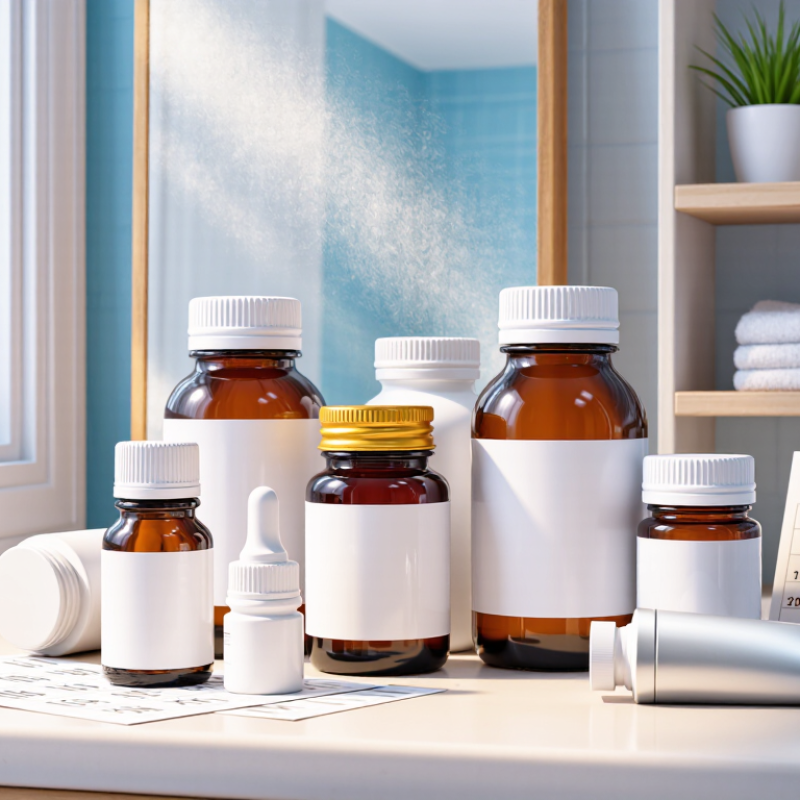
Why Do Drugs Have Expiry Dates and What Is Their Shelf Life?

What an Expiration Date Means for Medicines

The expiration date is the last date through which a medicine’s quality and strength are supported when it is stored as directed. It is not a switch that makes a tablet suddenly poisonous. But after that date, its potency and stability may be uncertain. That matters.

Storage conditions can change how well a medicine holds up. Heat, damp air, and sunlight may damage it, so a bathroom shelf or a hot car is a poor place to keep medicines. Keep them in their original containers and follow the storage instructions. A date on the package may also differ from the recommended use period after opening; check the leaflet or ask a pharmacist. Changes in color, smell, or texture are warning signs, but normal appearance does not prove a medicine is still effective.

Tips: Check the expiry date before taking a medicine, especially after it has sat unused for months. Do not rely on appearance alone. If it is expired, or you are unsure how it was stored, ask a pharmacist about safe replacement and disposal. For medicines needed urgently or regularly, plan ahead rather than stretching the supply. It can be easy to forget.

How Drug Shelf Life Is Determined

A medicine’s shelf life is based on evidence, not a guess. Manufacturers test representative batches over time, measuring whether the active ingredient remains within specified limits. They also check for changes in appearance, acidity, dissolution, and contamination risk. Small changes matter. A tablet that absorbs moisture may soften or break, while a liquid can separate or lose strength.

Testing takes place in the proposed packaging under controlled temperature and humidity conditions. Some studies use warmer conditions to estimate how a product may change faster, but real-time testing helps confirm those estimates. The results support an expiry date for an unopened product stored as directed. It is not a guarantee for every household cupboard. Sunlight, heat, and bathroom humidity can differ from test conditions.

The date also depends on the medicine’s formulation and container. A sealed tablet may remain stable longer than a liquid or a product mixed with water. Once opened or prepared, a separate use period may apply, even if the printed date is later. Check the label and ask a pharmacist when storage instructions are unclear. Testing cannot recreate every real-world situation, and that limitation deserves attention. A change in smell, color, or texture is a reason to seek advice, not proof by itself that a medicine is unsafe.

Factors That Can Change a Medicine’s Stability

A medicine’s stability depends on more than the date printed on its carton. Heat can speed chemical breakdown; moisture may damage tablets, while light can affect sensitive ingredients. A bathroom cabinet is a poor storage spot: steam and temperature swings can reach bottles even when their caps are closed. Packaging matters, too. Blister packs may shield doses from moisture better than repeatedly opened containers. Small details count.

The World Health Organization’s stability-testing guidance describes accelerated studies at 40°C and 75% relative humidity for six months. These are laboratory conditions, not a prediction of what will happen in your kitchen drawer. FDA data from the Shelf Life Extension Program found that 88% of tested drug lots qualified for extensions, averaging 66 months. That figure came from carefully monitored stockpiles, not medicines stored at home. It is tempting to read it as permission to keep old medicine. It isn’t. Formulas, packaging, and storage histories differ, and sometimes a medicine looks fine while its potency has changed. Check the label and ask a pharmacist when storage or expiry is uncertain.

Why Do Drugs Have Expiry Dates and What Is Their Shelf Life?

Storage temperature ranges commonly used for medicines

An expiry date is supported by stability testing under specified storage conditions. Heat, moisture, light, and oxygen can affect a medicine’s stability, so storage instructions matter. The ranges shown are general categories—not a substitute for the product label; follow the storage directions supplied with your medicine.

Temperature categories: USP General Chapter <659>, Packaging and Storage Requirements.

Risks of Using Medicines Past Their Expiration Date

An expiration date marks the period during which a medicine is expected to meet its quality standards when stored as directed. After that date, its strength may decline, so the intended dose may no longer work reliably. This matters especially when treatment depends on consistent control, such as for seizures, severe allergies, or heart conditions. A tablet that looks unchanged may still have lost potency. Appearance alone cannot confirm safety.

Expired medicines do not all become dangerous overnight. The risk depends on the medicine, its packaging, and where it was stored. Heat, humidity, and light can speed deterioration; a bottle left beside a steamy bathroom sink has not had ideal conditions. Liquids and products that must remain sterile deserve particular caution, because contamination or changes may be hard to spot. Some medicines can cause harm if their ingredients break down, while others may simply fail when needed. That distinction is easy to miss.

Do not rely on an old medicine for urgent symptoms. Ask a pharmacist or healthcare professional whether a replacement is needed, especially for essential treatment. If the medicine has changed color, smell, or texture, do not use it. Still, normal appearance does not guarantee quality. Store medicines according to their labels, and ask a pharmacist about safe disposal rather than flushing them or leaving them where children can reach them.

Why Do Drugs Have Expiry Dates and What Is Their Shelf Life? — Risks of Using Medicines Past Their Expiration Date

Medicine or situation Why an expiry date or use-by period matters Possible risk after the date Practical guidance
Prescription and over-the-counter medicines The date marks the period during which the manufacturer supports the medicine’s strength, quality, and purity when it is stored as directed. The medicine may lose strength or quality. An expired product is not necessarily toxic, but its safety and effectiveness are no longer assured. Check the package date and storage instructions. Ask a pharmacist or clinician before using a medicine past its expiry date.
Tablets and capsules Their shelf life is established through stability testing. Heat, moisture, light, and damaged packaging can affect quality. Potency may decline, which can make treatment less reliable. Appearance alone cannot confirm that a medicine is still effective. Keep them in their original, closed packaging in the storage conditions stated on the label; avoid damp places such as bathrooms.
Liquid medicines and suspensions Liquids can be more affected by storage conditions and, after opening, may have a separate discard date. The ingredients may become less stable, and contamination may be a concern depending on the product and how it was handled. Follow the label or pharmacist’s instructions for storage and how long the medicine may be used after opening.
Antibiotics mixed before use Once certain antibiotic powders are mixed with water, they have a limited use period that can differ by medicine and storage conditions. The dose may not provide reliable treatment if the medicine is used after its instructed discard date. Use only for the period specified on the pharmacy label. Do not save leftovers for a future illness.
Eye drops The expiry date applies to the unopened product; many eye drops also have a shorter discard period after opening. Reduced effectiveness or contamination may put eye health at risk. Follow the product’s opening and discard instructions, keep the tip clean, and do not share eye drops.
Insulin and other temperature-sensitive medicines Shelf life depends on the specific product, whether it is opened, and whether it has been kept within its required temperature range. Heat, freezing, or use beyond the stated period may reduce effectiveness, making treatment less predictable. Follow the product-specific storage and in-use instructions. Contact a pharmacist if the medicine was exposed to unsuitable temperatures.
Medicines needed for urgent treatment Some medicines must work reliably when needed, so their labeled date is especially important for planning replacements. A medicine with reduced potency may not provide the intended effect during an emergency. Check dates regularly and arrange a replacement before expiry. In an emergency, seek urgent medical help rather than relying on an expired medicine.
Important: There is no single shelf life that applies to all medicines. The labeled expiry date and any after-opening instructions are product-specific. Do not use a medicine that has changed in appearance, smell, or texture, or whose packaging is damaged; ask a pharmacist how to dispose of unwanted or expired medicines safely.

How to Store and Dispose of Expired Medicines

Store medicines according to the label, usually in a cool, dry place away from sunlight, heat, and children. A bathroom cabinet can be a poor choice: steam and temperature swings may damage some products. Keep tablets in their original, tightly closed containers, and never leave them in a hot car. Refrigerate medicines only when the label says to. Keep them dry. A pharmacist can clarify unclear instructions, especially for liquids or temperature-sensitive medicines. It is easy to assume a closed drawer is enough, but moisture can still get in.

Expired or unwanted medicines should not sit loose in a drawer. The U.S. Food and Drug Administration recommends take-back programs when available; follow the collection site’s instructions. If one is unavailable, check local disposal guidance. For many medicines, FDA advises mixing them with an unappealing substance, such as used coffee grounds or dirt, sealing the mixture in a bag, and placing it in household trash. Remove personal details from empty packaging. Do not flush medicines unless they appear on FDA’s flush list or their instructions specifically say to. The U.S. Drug Enforcement Administration reported collecting 599,897 pounds of unwanted medicines during its October 2023 Take Back Day. That figure makes the scale feel real: a few forgotten packets can add up.

FAQS

What does a medicine’s expiration date mean?

It marks how long quality and strength are supported when stored as directed. It is not a sudden switch. After that date, effectiveness may be uncertain.

Does an expired medicine become poisonous?

Not automatically. But its strength or stability may have changed, so ask a pharmacist before using it.

Can I tell if medicine is still effective by looking at it?

No. Changes in color, smell, or texture are warning signs, but a normal appearance proves little.

Where should I store medicines?

Choose a cool, dry place away from sunlight, heat, and children. A bathroom shelf can get damp. Keep medicines tightly closed in their original containers.

Should medicines be refrigerated?

Only when the label says so. Storage instructions vary, especially for liquids and temperature-sensitive products.

Does opening a package change its expiration date?

It can. Some products have a shorter use period after opening or mixing. Check the leaflet or ask a pharmacist.

How are medicine shelf lives determined?

Testing checks strength, appearance, dissolution, and other quality measures over time. Tests use specific packaging and conditions. A home cupboard may differ.

How should I handle expired or unwanted medicine?

Use a collection program when available, and follow its instructions. Otherwise, check local disposal guidance. Do not flush medicine unless its instructions specifically allow it.

Conclusion

Why do drugs have expiry dates? An expiration date marks the period during which a medicine is expected to remain stable and effective when stored as directed. Manufacturers determine a medicine’s shelf life through testing that examines how its strength, quality, and other properties change over time. The date is not a guarantee that a medicine suddenly becomes harmful afterward, but its effectiveness and reliability may no longer be assured.

Stability can be affected by heat, moisture, light, air, and whether the package has been opened or damaged. Using medicine past its expiration date may mean it does not work as intended, which can be especially concerning when consistent treatment matters. Check the label and storage instructions, keep medicines in their original packaging when possible, and avoid places with excess heat or humidity. If a medicine is expired, damaged, or has changed in appearance, ask a pharmacist or healthcare professional about it. Dispose of unwanted medicines using local take-back options or the disposal instructions on the packaging.

Aria

Aria

Aria is a dedicated marketing professional with a deep passion for innovative strategies and a keen understanding of our company's product offerings. With a wealth of experience in the industry, Aria excels at crafting engaging content that highlights the unique features and benefits of our......