Drug research and development play a crucial role in improving global health. It addresses complex health challenges such as pandemics, chronic diseases, and antibiotic resistance. Understanding why drug research and development is important goes beyond just creating medications. It involves understanding patient needs, medical advancements, and ethical implications.
Effective drug development takes years and significant investment. Researchers must overcome various hurdles, including regulatory processes and scientific challenges. Despite the challenges, its importance cannot be overstated. Innovations in drug research lead to lifesaving treatments and preventive measures. They can offer hope to millions suffering from debilitating conditions.
However, this process also has flaws. Often, drug development prioritizes profit over public health. Access remains a challenge; many cannot afford essential medications. As we push for advancements, we must reflect on how to make these benefits accessible. Balancing innovation with affordability is vital for future progress in global health.
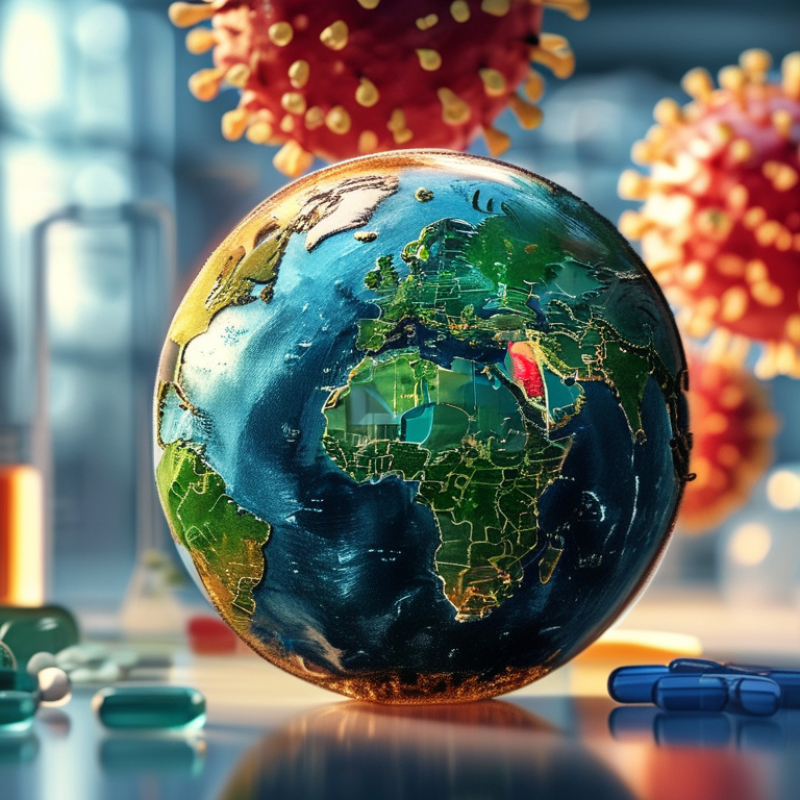
Drug research plays a critical role in tackling global health challenges. According to the World Health Organization (WHO), over 10 million people die annually from preventable diseases. Innovative drug development is essential to reduce this staggering number. By creating effective treatments, we can improve health outcomes, particularly in underserved regions.
The COVID-19 pandemic highlighted the importance of rapid drug development. Agencies like the FDA accelerated approval processes for vaccines and therapeutics. This response showed that timely research can save lives. According to the Medical Research Council, for every £1 invested in research, the NHS saves £3. This illustrates the long-term benefits of drug research.
Tip: Engage with local health initiatives. Support research programs that prioritize regional health issues. This can foster community involvement and lead to meaningful solutions. Drug research must focus on diverse and emerging health challenges. It is essential to address the unique issues faced by different populations, as drug disparities still exist.
| Dimension | Description | Impact on Global Health | Examples |
|---|---|---|---|
| Innovation in Treatments | Development of new medications to combat diseases | Addresses unmet medical needs and improves patient outcomes | Novel cancer therapies, vaccines for infectious diseases |
| Economic Growth | Creation of jobs and stimulation of the economy through R&D | Boosts overall economic stability which supports health initiatives | Pharmaceutical R&D sectors in developed and emerging markets |
| Global Collaboration | International partnerships for shared research efforts | Enhances capabilities to tackle worldwide health issues | WHO-led initiatives, cross-border clinical trials |
| Regulatory Advances | Improvements in drug approval processes | Faster access to life-saving medications | Streamlined FDA approvals, adaptive trial designs |
| Addressing Antimicrobial Resistance | Development of new antibiotics and resistance-modifying therapies | Critical for preserving the efficacy of existing treatments | Novel strategies for tackling resistant infections |
: Drug research is vital to reduce preventable disease deaths, saving over 10 million lives annually.
The pandemic accelerated approval processes, demonstrating that timely research can significantly save lives.
In 2021, about $83 billion was spent on research and development in the U.S. alone.
Investment is shifting towards biopharmaceuticals and precision medicine, aiming for innovative therapies.
The success rate for drugs in Phase I trials is only about 10%, highlighting the process's unpredictability.
Lengthy regulations, recruitment issues, and high failure rates can discourage researchers and limit innovation.
Partnerships between academia and industry can speed up the development process and foster innovation.
Many populations face distribution challenges and pricing models that exclude them from essential medications.
Bridging gaps in access is crucial, as making medications available can dramatically change health outcomes.
While investment is rising, reflecting on barriers is essential to ensure the effectiveness of drug development strategies.
Drug research and development is crucial for enhancing global health outcomes as it directly addresses the myriad challenges posed by diseases affecting populations worldwide. With current statistics indicating a significant disease burden, there is a pressing need for new treatments. Investment trends in drug development reveal a positive correlation with public health improvements, highlighting how financial support can lead to innovations that save lives.
Successful case studies illustrate the transformative impact of drug innovations in combating diseases and enhancing quality of life. However, the journey of drug development is fraught with challenges, including regulatory hurdles and access disparities. Despite these obstacles, the opportunities for advancing global health through effective drug research and development are immense. Therefore, understanding "why drug research and development is important" is essential for fostering a healthier future and addressing global health inequalities.

 SJ medical