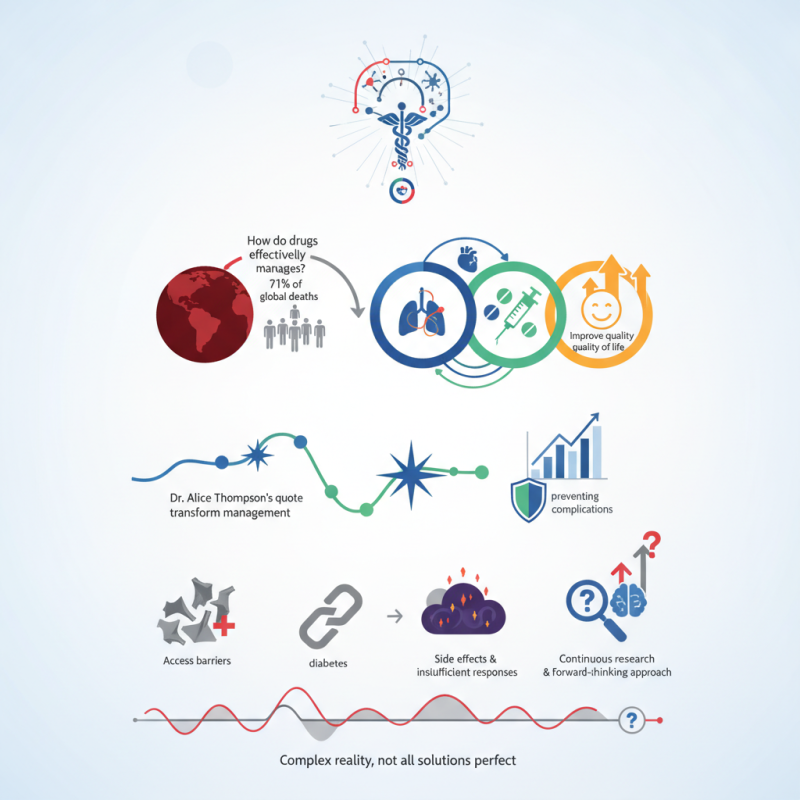
Chronic diseases pose significant health challenges worldwide, affecting millions daily. Understanding "How do drugs treat chronic diseases" is essential for improving lives. The World Health Organization reports that chronic diseases account for 71% of global deaths, highlighting their severity. Medications can manage symptoms and improve patient quality of life.
Dr. Alice Thompson, a leading expert in pharmacology, states, "Effective drug therapies can transform chronic disease management." This underscores the vital role of medications. For instance, drugs for diabetes help control blood sugar levels. They prevent complications that can arise from uncontrolled diabetes. However, many patients grapple with accessing these therapies.
While advancements in medication have been remarkable, barriers remain. Some patients experience side effects or insufficient responses to treatments. Continuous research is crucial to refine these therapies. A forward-thinking approach is needed to address these concerns and enhance drug efficacy. This reflects a complex reality in medicine, where not all solutions are perfect.
Understanding Chronic Diseases and Their Impact on Health
Chronic diseases are long-term health conditions that can have profound effects on a person's life. They often include diabetes, heart disease, and arthritis. These conditions generally require ongoing management. Understanding their impact is crucial for effective treatment strategies. Patients may struggle with symptoms that affect daily activities. Fatigue, pain, and limited mobility can make even simple tasks overwhelming. Each person's experience is unique, adding layers of complexity in managing these diseases.
Medical professionals emphasize the importance of a comprehensive treatment plan. Medications may help control symptoms. Lifestyle changes like diet and exercise also play significant roles. However, the effectiveness of these interventions often varies by individual. Not every medication works for everyone. This variance can lead to frustration and require adjustments over time. Patients must be informed and proactive in their healthcare journey. Continuous communication with healthcare providers is essential for adapting treatment plans based on changing needs.
Implementing these strategies requires commitment and self-awareness. Patients often face emotional challenges alongside physical ones. Stress and anxiety can exacerbate chronic conditions. Recognizing these feelings is essential in managing overall health. Holistic approaches that address both physical and emotional aspects can foster better outcomes. Exploring these complexities can lead to better understanding and management of chronic diseases.
Impact of Drug Treatments on Common Chronic Diseases
Mechanisms of Drug Action in Managing Chronic Diseases
Chronic diseases pose significant challenges for millions worldwide. Medications play a crucial role in managing these conditions. Understanding how drugs work in the body can illuminate their effectiveness. Different classes of drugs target various biological pathways. For instance, anti-inflammatory drugs reduce inflammation, while antihypertensives lower blood pressure. Each medication interacts with specific receptors and enzymes to produce desired effects.
The mechanisms of drug action vary widely. Some drugs inhibit the activity of harmful enzymes, while others enhance beneficial processes. For example, statins lower cholesterol by blocking an enzyme involved in its production. This action helps to reduce the risk of heart disease. Additionally, certain medications can modulate immune responses, providing relief for autoimmune conditions. However, not all patients respond equally to these treatments, which underscores the importance of personalized medicine.
It is essential to consider the limitations and side effects of medications. Some patients may experience adverse reactions, which can complicate treatment regimens. Furthermore, adherence to prescribed therapies is often a challenge. Patients may forget doses or misunderstand instructions. This reality calls for ongoing patient education and support. The journey of managing chronic diseases with drugs requires both expertise and compassion.
How Do Drugs Effectively Manage Chronic Diseases? - Mechanisms of Drug Action in Managing Chronic Diseases
| Chronic Disease |
Drug Class |
Mechanism of Action |
Clinical Outcomes |
| Diabetes |
Insulin |
Lowers blood glucose levels by facilitating glucose uptake into cells |
Improved glycemic control, reduced complications |
| Hypertension |
ACE Inhibitors |
Inhibits angiotensin-converting enzyme, reducing blood pressure |
Lower blood pressure, decreased risk of stroke |
| Chronic Kidney Disease |
Diuretics |
Increases urine output to remove excess fluid |
Reduced edema, improved blood pressure management |
| Asthma |
Inhaled Corticosteroids |
Reduces inflammation in the airways |
Improved lung function, reduced frequency of attacks |
| Heart Failure |
Beta-Blockers |
Decreases heart rate and workload on the heart |
Improved quality of life, decreased hospitalizations |
Types of Medications Used for Chronic Disease Treatment
Chronic diseases like diabetes and hypertension require long-term medication management. Various medication types play vital roles in treatment. Antihypertensives lower blood pressure effectively. Research shows that over 50% of high blood pressure patients do not reach target levels, indicating a need for careful medication selection.
Patients with diabetes benefit from insulin and oral hypoglycemic agents. According to the CDC, diabetes affects more than 37 million Americans. The persistent need for glucose control underscores the significance of these medications. Challenges often arise with adherence to complex regimens.
In arthritis management, NSAIDs help reduce pain and inflammation. However, these medications can have side effects, making continuous monitoring essential. Professionals suggest regular evaluations to assess effectiveness and adjust treatment.
This highlights a critical area for improvement in chronic disease management. Reducing medication burden while maintaining efficacy remains a significant focus in healthcare.
Challenges and Limitations in Chronic Disease Drug Management
Managing chronic diseases with drugs presents significant challenges. One major issue is adherence to medication regimens. Many patients struggle with complex schedules or experience side effects. This can lead to missed doses or discontinued use. Health professionals need to provide clear instructions and support.
Education plays a key role in drug management. Patients must understand their conditions and the importance of their medications. Simple, straightforward communication can improve adherence. Consider using visuals or infographics to explain how drugs work.
Tips: Encourage open discussions about side effects. Patients should feel comfortable reporting any adverse reactions. Regular follow-ups can help address concerns and adjust dosages if necessary.
Access to medications is another hurdle. Some may face financial barriers. Assistance programs can offer help, but not all are aware of these resources. Building trust and awareness can create a more supportive environment for patients.
Patient Adherence and Its Role in Effective Disease Management
Patient adherence plays a crucial role in managing chronic diseases effectively. According to the World Health Organization (WHO), adherence rates for chronic conditions average around 50%. This low figure highlights a significant gap in treatment effectiveness. Many patients struggle with the complexity of their regimens. They often deal with multiple medications, side effects, and the psychological burden of their conditions.
Education and support are vital in improving adherence. Studies have shown that personalized care plans can elevate adherence rates by 30%. When patients receive tailored information about their medications and disease management, they feel more empowered. Regular check-ins with healthcare providers also help monitor progress. Engaging patients in their treatment plans fosters a collaborative environment.
However, barriers remain. Issues such as forgetfulness, cost of medications, and lack of understanding can hinder adherence. According to the National Center for Biotechnology Information (NCBI), 20% of patients forget to take their medications due to busy lifestyles. Effective communication is necessary to identify these challenges. Acknowledging these hurdles makes it easier for health professionals to adjust strategies. Better communication can lead to increased adherence and improved health outcomes.
FAQS
: Chronic diseases are long-term health conditions like diabetes and heart disease. They require ongoing management.
Chronic diseases can lead to fatigue, pain, and limited mobility. Simple tasks may become overwhelming for patients.
Comprehensive plans help manage symptoms and improve quality of life. Each person's experience with diseases can be unique.
Medications control symptoms and can target specific biological pathways. However, individual responses to drugs vary.
Patients may forget doses or misunderstand instructions. This complicates treatment regimens and requires ongoing education.
Diet and exercise are crucial for managing chronic diseases. They can enhance the effectiveness of medications.
Yes, stress and anxiety can worsen physical symptoms. Recognizing these feelings is essential for managing overall health.
Continuous communication is key. Adapting treatment plans based on changing needs improves patient outcomes.
Insulin and oral hypoglycemic agents help control blood glucose levels. Adherence to these regimens can be complex.
Some medications can cause adverse reactions. Continuous monitoring is essential to adjust treatment and manage side effects.
Conclusion
Chronic diseases, such as diabetes and hypertension, significantly impact health and quality of life, requiring effective management strategies. How do drugs treat chronic diseases? The mechanisms of drug action vary, targeting specific pathways in the body to alleviate symptoms and slow disease progression. Various types of medications, including antihypertensives and insulin, are employed in treatment plans, each with unique roles in disease management.
However, there are challenges and limitations associated with drug management for chronic diseases, including side effects, cost, and accessibility. Patient adherence is crucial for effective disease management, as consistent medication use can lead to better health outcomes. By understanding these factors, healthcare providers can better support patients in managing their conditions through appropriate pharmacological interventions.

 SJ medical