Ensuring Drug Safety Before Use for Global Buyers

Time:2026-08-03 Author:Mason
0%

In today's interconnected world, ensuring drug safety before use is crucial for global buyers. As pharmaceuticals travel across borders, inconsistencies in regulations can create risks. Each market has its standards, but they do not always align. Buyers must be aware of these variations to protect consumers.

How to ensure drug safety before use involves several key steps. Understanding the source of a drug is imperative. Trusted suppliers are foundational to safety. Buyers should verify the legitimacy of manufacturers and their certifications. Regular audits can also identify potential risks in supply chains.

Despite these measures, challenges persist. Counterfeit products sometimes slip through even the tightest inspections. Continuous education on emerging threats is necessary. Collaborating with health organizations can enhance awareness. Ultimately, maintaining drug safety is a collective responsibility that demands vigilance from every stakeholder in the supply chain.
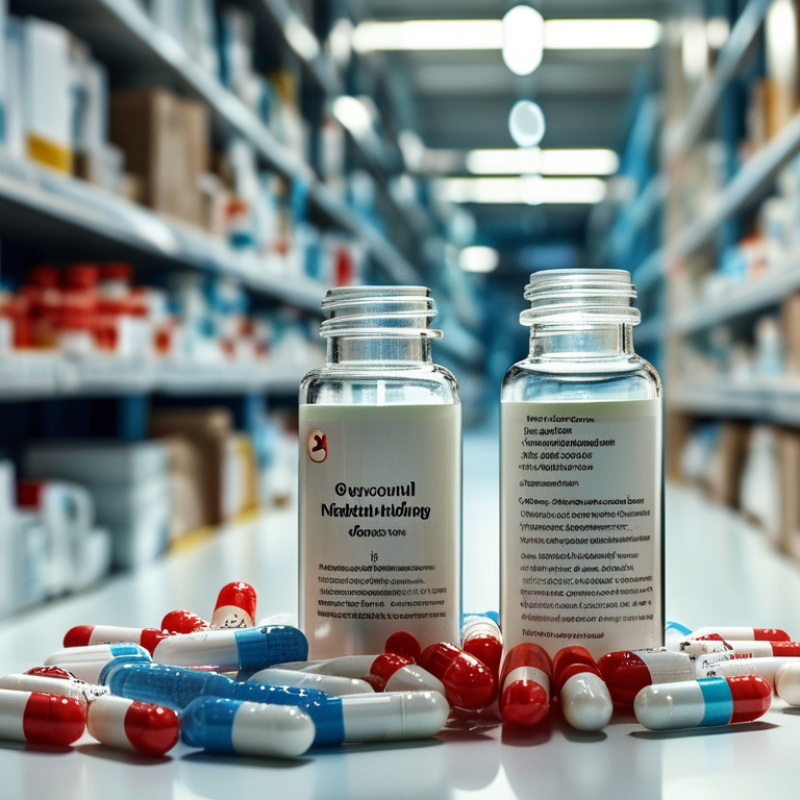
Ensuring Drug Safety Before Use for Global Buyers

Understanding Drug Safety Standards for Global Buyers

When considering drug safety, global buyers must navigate complex standards. Understanding these standards is crucial for informed decisions. Each country may have unique regulations that impact drug quality. Buyers should familiarize themselves with these variances to avoid costly mistakes.

Drug safety standards often include rigorous testing protocols. These protocols ensure that the products meet specific quality benchmarks. However, not all markets enforce the same level of scrutiny. This discrepancy can lead to challenges for buyers. Seeking third-party certifications can provide additional assurance of product safety.

A proactive approach is essential. Buyers should not only rely on supplier claims. Verifying documentation and seeking transparency in the supply chain is vital. This diligence can prevent potential risks. Drug safety is a shared responsibility. Continuous education and awareness are key in this complex landscape.

Ensuring Drug Safety Before Use for Global Buyers - Understanding Drug Safety Standards for Global Buyers

Country Drug Safety Agency Standards/Regulations Key Responsibilities Recent Developments
United States FDA Food, Drug, and Cosmetic Act Evaluate drug safety, efficacy, and manufacturing practices New guidelines for fast-tracking COVID vaccines
European Union EMA Directive 2001/83/EC Assessing medicinal products and monitoring safety Implementation of new pharmacovigilance regulations
Japan PMDA Pharmaceutical and Medical Device Act Reviewing drug applications and post-marketing surveillance Revisions to enhance drug approval timelines
China NMPA Drug Administration Law Regulating drug efficacy and safety standards Adoption of new drug approval procedures
India CDSCO Drugs and Cosmetics Act Ensuring drug quality and regulatory compliance New measures for clinical trial oversight

Identifying Key Regulatory Agencies and Their Roles

Drug safety is imperative for global buyers looking to protect health and well-being. Various regulatory agencies play crucial roles in this process. Agencies such as the FDA in the United States, EMA in Europe, and TGA in Australia are tasked with ensuring drug safety. According to a recent report from the Global Health Innovation Network, these agencies reviewed over 1,000 new drug applications in 2022. This reflects their commitment to rigorous evaluation standards.

Each agency follows strict protocols for testing and reviewing drugs before market entry. They examine clinical trial data, manufacturing practices, and potential side effects. In 2021, the FDA reported a 15% increase in applications rejected due to safety concerns. This data underscores the importance of regulatory scrutiny. However, challenges remain. Many drugs still slip through cracks, raising concerns about post-market safety.

Engagement with these agencies helps buyers understand compliance issues. Knowledge of regulations facilitates better decision-making. The World Health Organization emphasizes that buyers must actively seek information on drug safety. This is vital for aligning with standards set by these key regulatory bodies. Drug safety is a shared responsibility, demanding constant vigilance.

Evaluating Pre-Market Testing and Approval Processes

In the ever-evolving field of pharmaceuticals, pre-market testing and approval processes play a crucial role in ensuring drug safety. Regulators worldwide set rigorous standards for drug evaluation. These processes typically involve several phases, including laboratory testing, animal studies, and human clinical trials. Each stage must demonstrate safety and efficacy before moving forward. The complexity of these evaluations often leads to lengthy delays, raising concerns about timely access to essential medications.

While evaluating potential therapies, transparency is vital. Many regulatory bodies require detailed reporting of clinical trial results. However, sometimes, data may be incomplete or biased. This lack of transparency can erode public trust. With increasing scrutiny, greater emphasis is being placed on independent reviews to enhance credibility. Stakeholders need to advocate for processes that prioritize patient safety without compromising innovation.

The need for adaptability in testing methods is evident. Rapid technological advances offer new approaches to drug evaluation, such as real-time monitoring and artificial intelligence. Yet, these emerging methods may introduce questions about data integrity. As the landscape shifts, continuous reflection and adjustment of approval frameworks are necessary to balance safety, efficacy, and timeliness in bringing new medications to market.

Assessing Supply Chain Integrity and Transparency

In recent years, ensuring drug safety has become paramount for global buyers. A significant factor in this is the integrity and transparency of the supply chain. According to a 2021 report by the International Pharmaceutical Federation, 53% of respondents reported concerns about counterfeit drugs affecting supply chains. This underscores the necessity for rigorous assessment processes to identify vulnerabilities.

Supply chain transparency starts with traceability. Transparency International highlights that 64% of pharmaceutical businesses acknowledge the importance of tracking products from production to distribution. However, many face challenges in implementing these systems effectively. Limited access to data makes it difficult for buyers to verify the authenticity of their products. A 2020 survey indicated that only 47% of companies have fully transparent supply chains.

Stakeholders must continuously evaluate their practices. Regulators and manufacturers should work together to enhance communication. Collaboration can improve oversight and build trust among buyers. Increased vigilance in monitoring supply chains can mitigate risks. Regular audits and assessments are essential for identifying areas for improvement. As drug manufacturing becomes increasingly global, the complexity of supply chains will only grow. Addressing these issues is crucial for ensuring drug safety and maintaining buyer confidence.

Best Practices for Verifying Drug Quality and Authenticity

Verifying drug quality and authenticity is critical for global buyers. According to a report by the World Health Organization, 10% of medicines worldwide are substandard or falsified. This emphasizes the need for robust verification practices. Buyers must consider several aspects before procurement.

One effective method is to check certifications and licenses. Authentic drug manufacturers should meet regulatory standards. This ensures their products are safe for use. Additionally, buyers should seek third-party lab testing. Testing can confirm drug composition and potency. These steps help in making informed decisions.

Tips: Always verify the source. Trust but verify. Monitor online reviews and feedback from other buyers. Look for transparency in the supply chain. A reliable supplier will provide clear documentation.

Buyers should not overlook the importance of traceability. It allows tracking a drug's journey from production to delivery. Keep in mind that counterfeit drugs are sophisticated today. They may appear authentic but lack the necessary safety measures. This is a call for more diligence in the purchasing process.

Ensuring Drug Safety: Best Practices for Verifying Drug Quality

FAQS

: What should global buyers know about drug safety standards?

: Buyers must understand unique regulations for each country. This knowledge helps avoid costly mistakes.

Why are rigorous testing protocols important?

Testing protocols ensure drugs meet quality benchmarks. They help prevent unsafe products from entering the market.

How can buyers ensure product safety?

Buyers should verify supplier claims and seek third-party certifications for added assurance.

What roles do regulatory agencies play in drug safety?

Agencies review drug applications and ensure compliance with safety standards, protecting public health.

What was the FDA's increase in rejected applications?

In 2021, the FDA saw a 15% rise in rejected applications due to safety concerns.

Why is continuous education about drug safety necessary?

Ongoing awareness helps buyers understand complex drug regulations and improves decision-making.

How can buyers address potential risks in the supply chain?

Buyers should seek transparency in the supply chain and verify documentation rigorously.

Are regulatory agencies perfect in ensuring drug safety?

No, some drugs still bypass safety checks, highlighting the need for ongoing vigilance.

What should buyers do if they encounter compliance issues?

They should engage with regulatory agencies to understand regulations better and address compliance concerns.

How can a proactive approach in drug safety benefit buyers?

It can prevent risks and ensure that the products are safe and compliant with regulations.

Conclusion

In the context of global drug procurement, understanding drug safety is paramount for buyers. How to ensure drug safety before use requires a thorough comprehension of the various safety standards that govern drug quality. Key regulatory agencies play a critical role in this process, setting the framework for compliance and enforcement. Buyers must familiarize themselves with these entities to navigate the complex landscape of drug approval.

Evaluating pre-market testing and approval processes is essential for assessing the efficacy and safety of drugs before they reach the market. Additionally, ensuring supply chain integrity and transparency is crucial, as it prevents counterfeit and substandard products from entering the market. Adopting best practices for verifying drug quality and authenticity further enhances the safety of pharmaceuticals, safeguarding consumers' health and trust in global healthcare systems.

Mason

Mason

Mason is a seasoned marketing professional with a deep expertise in the company's offerings and a passion for driving brand awareness. With a strong background in digital marketing strategies, he has an innate ability to connect with diverse audiences and effectively communicate product benefits.......