5 Essential Tips on Immunotherapy What is it and How Does it Work?

Time:2026-06-01 Author:Sienna
0%

Immunotherapy is revolutionizing how we approach cancer treatment. Dr. Jennifer Smith, an expert in oncology, emphasizes, “Immunotherapy sparks the body’s own defenses against cancer.” This powerful treatment harnesses the immune system to fight disease. But what is immunotherapy and how does it work?

In essence, immunotherapy activates and strengthens the body’s natural defenses. By doing this, it targets and destroys cancer cells more effectively. Unlike traditional treatments, it aims to create a lasting immune response. This approach introduces a new avenue for hope. Still, many patients wonder about its mechanisms and effectiveness.

Understanding immunotherapy can be complex. Each person's response varies significantly. While some experience remarkable results, others may not benefit as much. Experts continue to study these discrepancies. Therefore, it’s essential to stay informed about the latest advancements. Exploring what is immunotherapy and how does it work opens doors to both excitement and skepticism.
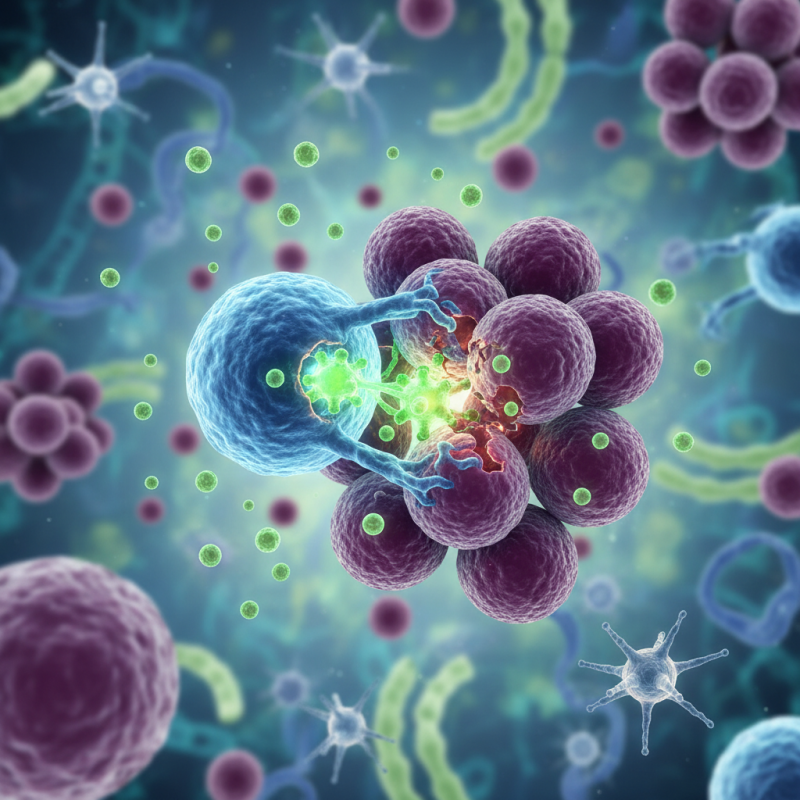
5 Essential Tips on Immunotherapy What is it and How Does it Work?

What is Immunotherapy and Its Purpose in Cancer Treatment?

Immunotherapy represents a groundbreaking approach in cancer treatment. It harnesses the body’s immune system to target and kill cancer cells. This method may involve the use of antibodies, vaccines, or cytokines. These elements boost the immune response, turning the body into a powerful ally against tumors.


Many patients find immunotherapy appealing due to its targeted nature. Unlike traditional therapies, it often results in fewer side effects. However, it does require careful monitoring. Not all patients respond the same way. Some may experience adverse reactions. Understanding these variables is crucial for effective treatment planning.


Researchers continue to explore new immunotherapeutic agents. Ongoing studies are revealing important data. This field holds significant promise but is still evolving. Challenges remain in predicting who will benefit the most from this treatment. Patients need transparent conversations with their healthcare teams about their options and potential risks.

The Different Types of Immunotherapy: An Overview

Immunotherapy is a groundbreaking approach in cancer treatment. There are several types, each tailored to stimulate the immune system. These therapies harness the body's natural defenses. One major category is monoclonal antibodies. They can target specific cancer cells, marking them for destruction.

Another type is checkpoint inhibitors. These drugs release the brakes on immune responses, enhancing the body’s attack against tumors. Patients often report different experiences with these. Some may see significant improvement, while others find minimal response. This variability prompts discussions on treatment effectiveness.

Adoptive cell transfer is another fascinating method. T-cells are extracted, modified, and reinfused. This personalized approach shows promise but is not without risks. Side effects can range from mild to severe. Researchers continue to explore new avenues, needing more data on long-term outcomes. The landscape of immunotherapy is evolving, inviting both hope and skepticism.

How Immunotherapy Works: Mechanisms and Processes Explained

Immunotherapy leverages the body's immune system to fight diseases. It works by enhancing the immune response against cancer cells or pathogens. This treatment employs various mechanisms, mainly focusing on activating immune cells like T-cells and B-cells. These cells can recognize and destroy foreign invaders, including cancer tissue.

The process begins when immune cells encounter antigens, which are markers found on pathogens or abnormal cells. Once identified, these cells become activated and proliferate. They signal other immune components to join the battle. Immune checkpoints also play a vital role, as they prevent overactivation that might harm healthy tissues.

However, immunotherapy is not a one-size-fits-all solution. Some patients may not respond as expected. Reactions can vary from mild to severe. Ongoing research aims to understand these discrepancies better. Learning from these outcomes is crucial for refining immunotherapy approaches. The complexities of the immune system remind us of the delicate balance needed in treatment.

Benefits and Risks of Immunotherapy for Patients

Immunotherapy has emerged as a revolutionary approach in cancer treatment. It harnesses the body’s immune system to target and destroy cancer cells. However, understanding its benefits and risks is essential for patients considering this path.

The benefits of immunotherapy are significant. According to the American Cancer Society, rates of long-term survival have improved for certain cancers due to these treatments. Approximately 20-40% of patients with melanoma experience long-lasting responses. This approach can lead to fewer side effects compared to traditional methods like chemotherapy and radiation.

Despite its advantages, immunotherapy is not without risks. Some patients face severe immune-related adverse effects. These can affect healthy organs, leading to conditions like colitis or pneumonitis. Regular monitoring and communication with healthcare providers are crucial.

Tip: Discuss your complete medical history with your oncologist. This will help them assess potential risks effectively.

Another consideration is the response rate. Not every patient will respond. Understanding this can help manage expectations.

Tip: Stay informed about clinical trials. They offer insights into new treatments and may provide access to innovative therapies not yet widely available.

Future Trends in Immunotherapy Research and Development

In recent years, immunotherapy has emerged as a groundbreaking approach in cancer treatment and other diseases. As research progresses, we are witnessing exciting trends in the development of new therapies. Future trends will likely include personalized medicine that tailors treatments based on individual profiles. This could improve efficacy and reduce side effects, potentially transforming patient outcomes.

One of the essential tips for understanding immunotherapy is recognizing its complexity. It harnesses the body's immune system to fight diseases. Each patient may respond differently, making it crucial for practitioners to stay updated on the latest research. Another tip is to engage with ongoing clinical trials. Patients often have access to cutting-edge therapies that may not yet be widely available, offering hope when traditional options fail.

Research is focused on combination therapies. Combining immunotherapy with other treatments can boost effectiveness. As scientists study this, they may identify which combinations deliver the best results, paving the way for more robust treatment plans. There is also growing interest in understanding the long-term effects of these therapies. Monitoring outcomes is vital for improving practices and outcomes. As immunotherapy evolves, so too does our understanding of its potential. Each step forward opens new avenues for patients in need.

FAQS

: What is immunotherapy?

: Immunotherapy is a cancer treatment using the body’s immune system to attack cancer cells.

How does immunotherapy work?

It may use antibodies, vaccines, or cytokines to enhance the immune response against tumors.

What are the benefits of immunotherapy?

It usually has fewer side effects than traditional treatments and is targeted specifically at cancer cells.

Are there any risks with immunotherapy?

Yes, some patients may experience adverse reactions, which need careful monitoring throughout treatment.

What are monoclonal antibodies?

They are a type of immunotherapy that targets specific cancer cells and marks them for destruction.

What are checkpoint inhibitors?

These drugs enhance the immune response by removing brakes that prevent the body from attacking tumors.

What is adoptive cell transfer?

It involves extracting T-cells, modifying them, and reintroducing them to the body for personalized treatment.

Why do patients have different experiences with immunotherapy?

Each patient's immune response varies, leading to differences in treatment effectiveness and side effects.

Is immunotherapy a guaranteed cure for cancer?

No, it holds promise but is still evolving, with challenges in predicting who will benefit the most.

What should patients discuss with their healthcare teams?

They need to have transparent conversations about treatment options, effectiveness, and potential risks.

Conclusion

Immunotherapy is a groundbreaking approach in cancer treatment that harnesses the body's immune system to target and destroy cancerous cells. Essentially, it involves the use of various strategies to enhance or restore the immune system's ability to identify and combat cancer. The purpose of immunotherapy is to improve patient outcomes while potentially reducing the side effects associated with traditional treatments like chemotherapy and radiation.

There are several types of immunotherapy, including monoclonal antibodies, checkpoint inhibitors, and cancer vaccines, each employing different mechanisms to activate the immune response. While the benefits of immunotherapy are significant—offering new hope to patients with advanced cancers—it also carries certain risks and side effects that must be considered. As research and development in this field continue to advance, the future of immunotherapy shows promise for even more effective and personalized cancer treatments. Understanding "what is immunotherapy and how does it work" is crucial for patients exploring their treatment options.

Sienna

Sienna

Sienna is a skilled marketing professional with a deep expertise in our company’s core products and services. With a passion for innovation and detail, she plays a pivotal role in crafting insightful blog posts that not only highlight the unique features of our offerings but also provide valuable......