How Do Biomedical Drugs Function in the Human Body?

Time:2026-07-19 Author:Liam
0%

Biomedical drugs are essential for modern medicine. They treat various conditions, from infections to chronic diseases. Understanding how they function is crucial. Dr. Emily Carter, a leading pharmacologist, states, "The intricate mechanisms of biomedical drugs reveal how they interact with the body at the molecular level."

How do biomedical drugs work in the body? This question dives deep into the interactions between drugs and biological systems. Each drug is designed to influence specific pathways. For example, pain relief medications block the signals sent to the brain. Meanwhile, antibiotics target and destroy bacteria. These actions highlight the precision of drug design.

Yet, the response to drugs can vary significantly among individuals. Factors like genetics and health conditions affect outcomes. This variability raises important questions. Do we fully understand the limits of current biomedical drugs? Exploring these complexities encourages deeper reflection on treatment effectiveness. The science of how drugs work continues to evolve, unfolding new possibilities in medicine.
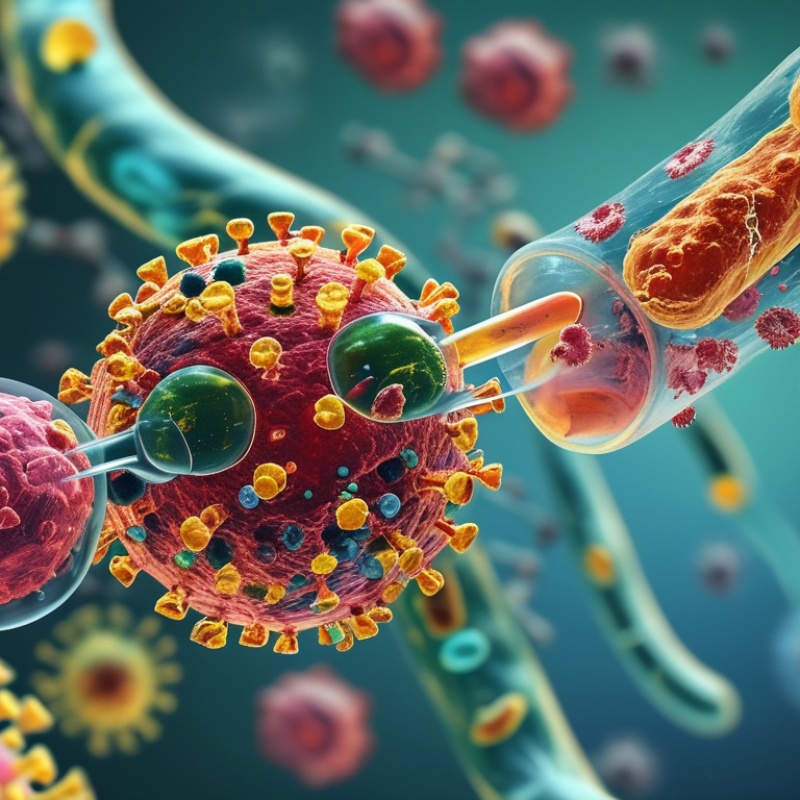
How Do Biomedical Drugs Function in the Human Body?

Overview of Biomedical Drugs and Their Classification

Biomedical drugs play a crucial role in modern medicine. They are classified into categories such as small molecules, biologics, and gene therapies. Small molecules are often synthetic compounds that target specific pathways in cells. Biologics, derived from living organisms, include vaccines and antibodies. Gene therapies aim to correct genetic disorders by modifying the patient’s DNA.

Understanding these classifications can guide better healthcare decisions. When patients know their treatment options, they can engage more actively with healthcare providers. This can lead to improved outcomes and patient satisfaction.

Tips: Always consult with healthcare professionals before starting any treatment. Researching based on reputable sources can also help in understanding complex subjects. Knowledge empowers patients to make informed choices.

Mechanism of Action: How Biomedical Drugs Interact with Cells

Biomedical drugs play a crucial role in treating various diseases. They interact with cells through specific mechanisms of action. Most drugs work by binding to proteins, enzymes, or other molecular targets within cells. This binding can either activate or inhibit normal cellular functions. For instance, antineoplastic drugs target rapidly dividing cancer cells. Studies indicate that 70% of cancer therapies rely on this mechanism.

The pharmacodynamics of these drugs is complex. They often alter signaling pathways within cells. This can lead to a cascade of cellular responses. According to the latest research by the National Institutes of Health, over 50% of medications affect the G-protein signaling pathways. This interaction can have wide-reaching effects, both beneficial and harmful.

Despite advancements, challenges remain. Not all patients respond to biomedical drugs in the same way. Genetic variations and environmental factors play a role. A report from the World Health Organization underlines this issue, highlighting that up to 30% of patients experience adverse reactions. The need for personalized medicine is more pressing than ever. Understanding these cellular interactions helps shape future therapies.

Pharmacokinetics: Absorption, Distribution, Metabolism, and Excretion

Pharmacokinetics involves four key processes: absorption, distribution, metabolism, and excretion. Absorption refers to how drugs enter the bloodstream. Various routes exist; oral, intravenous, or topical. Each method impacts how quickly and effectively a drug works.

Distribution occurs next. After a drug enters the bloodstream, it spreads throughout the body. Factors like blood flow and the drug's solubility affect distribution patterns. It’s crucial to understand that not all areas of the body receive the same concentrations of a drug. Some tissues may have higher affinity, leading to variable effects.

Metabolism transforms drugs into active or inactive substances. The liver plays a significant role here. Enzymes convert drugs, affecting their duration of action. Excretion, primarily through the kidneys, removes these transformed substances from the body. Understanding these processes helps optimize drug therapy. However, individual responses can vary widely. Reflection on these factors is essential for improving treatment strategies.

Pharmacokinetics of Biomedical Drugs

Targeted Drug Delivery Systems and Their Importance in Treatment

Targeted drug delivery systems represent a groundbreaking approach in modern medicine. These systems aim to deliver drugs precisely to diseased cells while sparing healthy tissues. This not only enhances the effectiveness of treatments but also reduces side effects. By utilizing nanoparticles, antibodies, and other innovative carriers, researchers can create therapies that attack specific cancer cells or pathogens directly.

One striking example of targeted delivery is using ligands that bind to specific receptors on cancer cells. These ligands ensure the drug is delivered to the right location in the body. However, challenges remain. Variability in how patients respond to these therapies complicates their effectiveness. Additionally, the body's immune response can sometimes hinder the delivery process. These factors highlight the need for ongoing research and innovation in this field.

The importance of targeted drug delivery systems increases as the healthcare landscape evolves. The potential to personalize treatments based on individual needs is promising. Yet, achieving these advancements requires collaboration between scientists, clinicians, and patients. As we explore these complex systems, it’s crucial to remain vigilant about their limitations and potential ethical concerns.

How Do Biomedical Drugs Function in the Human Body? - Targeted Drug Delivery Systems and Their Importance in Treatment

Drug Type Target Area Mechanism of Action Advantages Disadvantages
Monoclonal Antibodies Tumors Bind specifically to cancer cell antigens High specificity, reduced side effects Costly, requires specialized administration
Nanoparticle Drugs Various tissues Encapsulation of drugs for targeted delivery Enhanced drug solubility and absorption Long-term safety not fully understood
Gene Therapy Specific genetic disorders Corrects defective genes Potential to cure genetic diseases Ethical concerns, long-term effects unknown
Small Molecule Drugs Varied (cancers, infections) Inhibit specific biological pathways Broad range, established usage Possible resistance development, side effects

Role of Biomedical Drugs in Disease Management and Therapy

Biomedical drugs play a critical role in managing diseases. These medications target specific biological processes to alleviate symptoms and improve patients' quality of life. According to the World Health Organization (WHO), around 50% of the world's population lacks access to essential medicines. This disparity emphasizes the need for a focus on affordable and effective biomedical therapies.

When examining the efficacy of these drugs, clinical trials offer valuable insights. A report from the National Institutes of Health (NIH) highlights that 70% of new drugs in advanced stages of testing show promise in treating chronic diseases. This statistic underlines the importance of ongoing research and development in the biomedical field. However, it's crucial to remember that not all therapies work for everyone, leading to an ongoing need for personalized medicine approaches.

Adverse drug reactions are a significant concern. The FDA estimates that around 1.3 million people are hospitalized annually due to preventable medication errors. This statistic underscores the need for continuous education and dialogue among healthcare providers and patients. Engaging patients in their treatment options fosters better outcomes and improves adherence to prescribed therapies. Understanding that biomedical drugs can be a double-edged sword prompts reflection on the balance between benefits and risks in disease management.

FAQS

: What is the role of biomedical drugs in disease treatment?

: Biomedical drugs interact with cells to treat various diseases through specific mechanisms of action.

How do biomedical drugs typically work?

Most drugs bind to proteins or enzymes in cells, activating or inhibiting normal functions.

What example highlights the mechanism of certain drugs?

Antineoplastic drugs target rapidly dividing cancer cells, with 70% of cancer therapies relying on this principle.

Why is the pharmacodynamics of these drugs complex?

These drugs alter signaling pathways, leading to various cellular responses, both beneficial and harmful.

What percentage of medications affect G-protein pathways?

Over 50% of medications have an impact on G-protein signaling pathways according to recent research.

Do all patients respond the same to biomedical drugs?

No, responses vary due to genetic differences and environmental factors, with 30% facing adverse reactions.

What is a targeted drug delivery system?

It's a method to deliver drugs precisely to diseased cells while minimizing effects on healthy tissues.

What innovations are used in targeted delivery systems?

Researchers use nanoparticles and ligands that bind to specific receptors on cancer cells.

What challenges do targeted drug delivery systems face?

Patient variability and immune responses can complicate the effectiveness of these therapies.

Why is personalized medicine important in this context?

It allows for treatments tailored to individual needs, but ongoing research is crucial to address limitations.

Conclusion

Biomedical drugs play a crucial role in modern medicine, and understanding how they function in the human body is essential for effective treatment plans. The classification of these drugs helps categorize their diverse roles in addressing various health conditions. A critical aspect of their function is the mechanism of action, where biomedical drugs interact with cellular structures to elicit desired therapeutic effects.

Additionally, pharmacokinetics—encompassing absorption, distribution, metabolism, and excretion—provides insights into how the body processes these substances. Targeted drug delivery systems enhance treatment efficacy by directing drugs specifically to affected tissues, minimizing side effects and improving outcomes. Overall, understanding "how do biomedical drugs work in the body" informs their application in disease management, ensuring that therapies are both effective and safe for patients.

Liam

Liam

Liam is a dedicated marketing professional with a profound expertise in the industry, where he excels at highlighting the unique advantages of our core products. With a keen understanding of market trends and consumer needs, Liam frequently updates our company’s professional blog, providing......