How do vaccines help prevent diseases? This question begins with a simple image: a trained immune system meeting a familiar threat. Vaccines present the body with a safe form, piece, or instruction related to a pathogen. The immune system then produces antibodies and memory cells without facing the full danger of the disease. Later, if the real pathogen appears, these defenses can respond faster. The result may be fewer infections, milder symptoms, or protection from severe complications.
The science is not merely theoretical. Clinical trials measure safety and effectiveness before approval, while health agencies continue monitoring vaccines after public use. Dr. Tedros Adhanom Ghebreyesus, Director-General of the World Health Organization, has said, “Vaccines are one of the greatest inventions in human history.” His statement reflects decades of evidence, including the worldwide eradication of smallpox and the sharp reduction of many childhood infections. Vaccination can also reduce transmission, helping protect infants, older adults, and people with weakened immune systems.
The picture is not flawless. No vaccine prevents every infection, and protection can decline over time. Some people experience soreness, fever, or fatigue after vaccination. Rare serious reactions can occur, which is why careful monitoring matters. Still, the risks of recommended vaccines are generally far lower than the dangers of the diseases they prevent. Understanding how vaccines work requires both confidence and reflection. Public health decisions should consider reliable evidence, individual medical history, local disease patterns, and advice from qualified healthcare professionals. Small choices can protect an entire community.
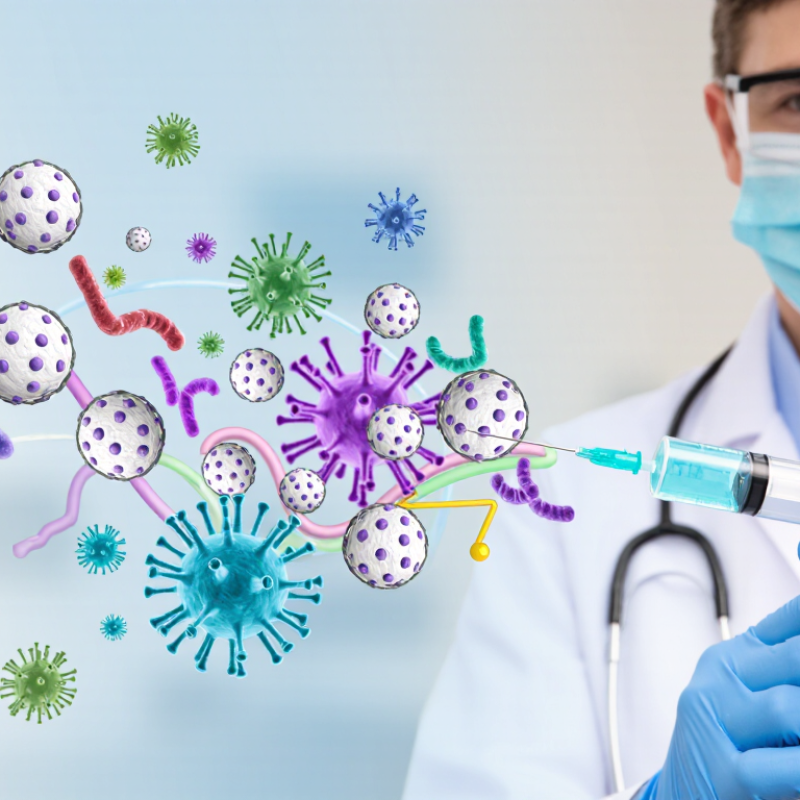
Vaccines help prevent disease by preparing adaptive immunity before a dangerous infection arrives. They present an antigen, a harmless piece or imitation of a microbe, to the immune system. Antigen-presenting cells carry this material to nearby lymph nodes. There, specialized cells examine it and activate matching B cells and T cells. The response is quiet. A person may feel only mild soreness, tiredness, or no symptoms at all.
Activated B cells can produce antibodies that recognize the antigen. T cells may destroy infected cells or coordinate other immune defenses. Some activated cells become memory B cells and memory T cells. These cells can remain in the body for years. If the same antigen appears later, memory cells respond faster and more strongly. This early response can limit the infection before severe symptoms develop. It is training, not a force field.
Protection is not identical for everyone. Age, immune conditions, previous infections, and time since vaccination can influence the response. A booster dose may refresh immune memory when protection decreases. Antibody tests can offer useful information, but they do not measure every part of immunity. Vaccines also cannot guarantee that infection will never occur. Their value often appears in reduced severe illness, complications, and transmission. Health professionals therefore examine clinical studies, safety monitoring, and local disease patterns when advising patients. Biology is variable. That uncertainty deserves honest discussion, not exaggerated promises.
Vaccines prepare the immune system before it meets a specific disease. A primary dose introduces a safe target, allowing immune cells to recognize it. The body then develops antibodies and memory cells. This protection may take days or weeks to develop. It is not an instant shield.
A booster dose reminds the immune system of that target. The response can become faster, stronger, and more durable. Some vaccines need several primary doses because age, health, or the type of vaccine affects the response. Booster timing also varies. It may depend on national guidance, disease activity, previous doses, and personal medical history. A common mistake is assuming every vaccine needs the same schedule. That assumption needs correcting. Protection can decrease over time, but vaccination still helps reduce serious illness and complications.
Tips: Keep a clear vaccination record. Ask a qualified healthcare professional which dose is due and when. Do not restart a series without medical advice. Mild soreness, tiredness, or a low fever can occur after vaccination and often passes quickly. Seek professional help if symptoms seem severe, unusual, or persistent. Children, older adults, pregnant people, and those with weakened immunity may need tailored guidance. Schedules can change. Check reliable public-health information before making decisions.
| Dose or Schedule Stage | What Happens in the Immune System | Protection Effect | Evidence-Based Example | Practical Meaning |
|---|---|---|---|---|
| First primary dose | Introduces the immune system to a harmless form or component of a pathogen and activates vaccine-specific B cells and T cells. | Creates initial immune memory, but antibody levels and immune-cell numbers may not yet be optimal. | One measles-containing vaccine dose is approximately 93% effective against measles in preventing disease. | A person may have useful protection after the first dose, but the recommended series should be completed. |
| Completed primary series | Additional doses stimulate stronger antibody production, improve antibody quality, and expand long-lived memory B and T cells. | Protection is generally stronger and more consistent across the vaccinated population. | Two measles-containing vaccine doses are approximately 97% effective against measles. | Multiple doses are not “extra” doses; they are often necessary to achieve the intended level of protection. |
| Booster dose | Re-exposes immune memory to the antigen, producing a faster and larger secondary immune response. | Can restore or increase antibody levels when immunity has declined over time. | For tetanus and diphtheria-containing protection, routine adult booster vaccination is commonly recommended at 10-year intervals in the United States, with variations for wounds and other circumstances. | Booster timing depends on the disease, age, previous doses, health status, and national recommendations. |
| Recommended dose interval | Spacing doses gives the immune system time to develop memory cells and refine antibody responses before the next exposure. | Correct intervals can improve the durability and reliability of the immune response. | Human papillomavirus vaccination uses a 2-dose schedule when started at ages 9–14 and a 3-dose schedule when started at age 15 or later or when the person is immunocompromised. | Vaccines should be scheduled according to official guidance rather than given at randomly chosen intervals. |
| Long-term maintenance | Memory cells may persist for years, while circulating antibody levels can gradually decline and may require periodic reinforcement. | Protection can remain strong, but its duration differs by vaccine and disease. | A complete hepatitis B vaccine series produces protective antibody responses in more than 90% of healthy infants, children, and young adults. | A complete series is especially important for vaccines designed to protect against long-term or severe infection. |
| Seasonal or updated vaccination | The immune system is refreshed with protection that reflects changing pathogen strains or updated public-health recommendations. | Helps maintain protection when viruses change or when immunity decreases over time. | Influenza vaccination is generally recommended every year because circulating viruses change and immune protection can wane. | Some vaccines require recurring doses, while others provide long-lasting protection after the primary series. |
| Special circumstances | Age, pregnancy, immune conditions, exposure risk, and previous vaccination can change how many doses are needed and when they should be given. | Personalized schedules help ensure that the immune response is appropriate for the individual’s risk profile. | People with weakened immune systems may need a 3-dose human papillomavirus schedule regardless of the age at which vaccination begins. | Always follow the current schedule from a qualified healthcare professional or public-health authority. |
Vaccines help prevent diseases by training the immune system before a real infection arrives. For measles, that preparation matters because the virus spreads extremely easily through the air. One unprotected child can infect many others in a classroom, waiting room, or crowded home. Two vaccine doses give most people strong protection, although no vaccine protects every person.
According to the World Health Organization (WHO), about 95% coverage with two measles-containing doses is needed in every community to maintain community immunity. That level matters. It reduces the number of people who can carry the virus. It also helps protect infants too young for vaccination and people with certain medical conditions. Coverage must be broad, not merely high in a national report. A district at 98% cannot fully shield a nearby district at 70%.
The 95% target is useful, but it is not a magic shield. A percentage can hide missed villages, delayed doses, or inaccurate records. Health workers need reliable registers, accessible clinics, clear conversations, and rapid investigation of suspected cases. Families may face transport costs, fear, or confusing schedules. Respectful answers can improve attendance. It is easy to see 95% as a finish line. That view is incomplete. Small gaps remain, especially when measles enters a busy community.
Measles requires approximately 95% two-dose vaccination coverage to help maintain community immunity because it spreads very easily. Global first-dose measles-containing vaccine coverage increased from 72% in 2000 to 86% in 2019, then declined during the pandemic and remained below the 95% benchmark through 2023.
Source: WHO and UNICEF estimates of national immunization coverage.
How Do Vaccines Help Prevent Diseases?
Vaccines help prevent disease by training the immune system before exposure occurs. They present harmless information from a germ, allowing immune cells to practice safely. Later, memory cells can respond faster and reduce severe illness. This preparation can also lower the chance of passing infections to others.
The World Health Organization estimates that vaccination prevents 3.5–5 million deaths every year. This enormous figure covers many vaccine-preventable diseases across different age groups and regions. It includes children protected from dangerous infections and adults avoiding serious complications. High vaccination coverage can also protect newborns, older adults, and people with weakened immunity. Still, vaccination is not a magic shield. Protection varies by disease, health status, timing, and community coverage. Access gaps and delayed doses remain serious problems. I once viewed vaccination as a simple personal choice, but public health evidence shows a wider responsibility. One missed appointment can sometimes leave a child exposed.
Tips: Follow the schedule recommended by qualified health professionals. Keep vaccination records accurate and available. Ask about catch-up doses after delays. Discuss allergies, pregnancy, or immune conditions before vaccination. Mild soreness or tiredness may occur afterward. Seek medical advice if symptoms seem severe, unusual, or persistent. Share reliable information, not alarming posts. Small decisions matter.
Vaccines help prevent diseases by preparing immune defenses before infection arrives. They present harmless forms or pieces of a germ, allowing immune cells to practice safely. Later, memory cells respond faster, often stopping severe illness before it begins. Protection is not always perfect. Yet it can reduce hospitalizations, complications, and deaths across communities.
According to the World Health Organization, immunization programs saved an estimated 154 million lives between 1974 and 2024. Most of these lives belonged to children under five. Measles vaccination made the largest contribution to this historic result. The estimate also shows that routine immunization helped nearly 60 percent of children survive to age five. These figures reflect decades of repeated doses, trained health workers, reliable storage, public funding, and families returning for appointments.
The result appears in ordinary places: a child playing without oxygen support, a clinic seeing fewer paralysis cases, and grandparents avoiding preventable outbreaks. Vaccination also limits transmission, protecting newborns and people with weaker immune responses. Global access remains uneven. Conflict, distance, misinformation, and missed appointments can reopen dangerous gaps. WHO estimates rely on surveillance and statistical modeling, so they are powerful but not perfectly precise. I find that limitation important. A large number should invite scrutiny, not blind celebration. Health policies need transparent data, local trust, and continual review as diseases and communities change.
Vaccines present a harmless antigen, such as a small piece or safe imitation of a microbe. Antigen-presenting cells carry it to nearby lymph nodes. There, matching B cells and T cells become active. The body practices safely.
B cells can produce antibodies that recognize the antigen. T cells may destroy infected cells or coordinate immune defenses. Some activated cells become memory B cells and memory T cells.
Memory cells can remain for years. When the same antigen appears, they respond faster and more strongly. This may limit infection before severe symptoms develop. It is training, not a force field.
Age, health, and vaccine type can affect the immune response. Several doses may build stronger protection. Protection can take days or weeks to develop. It is not instant.
A booster reminds the immune system about a familiar antigen. The response may become faster, stronger, and longer-lasting. Timing depends on guidance, disease activity, previous doses, and medical history.
No. Schedules vary between vaccines and people. A common mistake is assuming one schedule fits everyone. Keep a clear record and ask a qualified healthcare professional.
No. Vaccination cannot guarantee complete prevention. Its value often appears through fewer severe illnesses, complications, hospitalizations, and deaths. It may also reduce transmission.
Mild soreness, tiredness, or a low fever may occur. These effects often pass quickly. Seek professional help if symptoms become severe, unusual, or persistent.
Age, immune conditions, previous infections, and time since vaccination can influence protection. Children, older adults, pregnant people, and immunocompromised individuals may need tailored advice. Biology is variable.
Long-term immunization programs have saved an estimated 154 million lives from 1974 to 2024. Most were children under five. The greatest contribution came from measles vaccination. These estimates are powerful, but not perfectly precise. Numbers deserve scrutiny.
How do vaccines help prevent diseases? They train the adaptive immune system by introducing harmless forms or parts of disease-causing organisms, known as antigens. This allows the body to recognize a threat and produce protective antibodies and memory cells without experiencing the full illness. If the same pathogen appears later, these memory cells help the immune system respond faster and more effectively. Primary doses begin this process, while booster doses strengthen and extend protection over time.
Vaccination also protects communities by reducing the spread of infections. According to the WHO, maintaining about 95% measles vaccination coverage can support community immunity and help protect people who cannot be vaccinated. Immunization is estimated to prevent 3.5–5 million deaths every year, and it helped save approximately 154 million lives between 1974 and 2024. These benefits show how vaccination safeguards individuals, limits outbreaks, and reduces the global burden of preventable diseases.

SJ medical