The process of developing biomedical drugs plays a crucial role in global healthcare. Understanding "how are biomedical drugs manufactured" is essential for ensuring their availability and effectiveness. This involves various stages, from research to production. Each step requires precision and expertise.
Manufacturing biomedical drugs is an intricate process. It begins with rigorous testing to identify safe and effective compounds. Following this, scaling up production presents challenges. Facilities must comply with strict regulations to maintain quality and safety standards. This often leads to delays and increased costs.
Global supply chains further complicate the manufacturing process. Transporting materials and finished products across borders can be difficult. Disruptions can affect availability in different regions. There is a continual need to assess and improve these systems. Ensuring timely access to these vital medications is an ongoing struggle. In this context, the question of efficiency in drug manufacturing deserves attention. We must reflect on our current practices and find ways to enhance them for better patient outcomes.
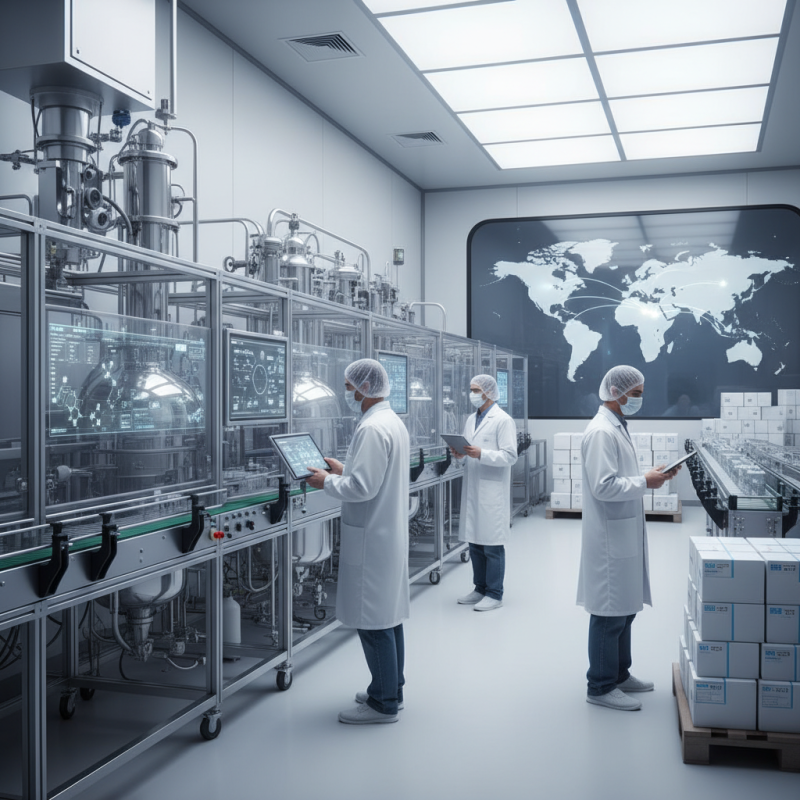
Biomedical drug manufacturing is a complex process that requires precision and adherence to strict regulatory guidelines. It involves multiple stages, including research and development, production, and quality control. According to a 2022 report from the International Association of Pharmaceuticals, the global market for biomedical drugs is projected to reach $300 billion by 2025, illustrating the growing demand.
In the production phase, biotechnology plays a crucial role. For instance, bioreactors are used to cultivate microorganisms or cells that produce therapeutic agents. The selection of culture conditions drastically affects yield and quality, which means manufacturers must continuously optimize their processes. Quality assurance teams use advanced techniques like chromatography and mass spectrometry to monitor these products. However, these processes are prone to variability, requiring ongoing evaluation and adjustment.
One significant challenge is maintaining compliance with Good Manufacturing Practices (GMP). Non-compliance can lead to severe consequences, including product recalls and market withdrawal. Despite the advances in automation and real-time monitoring, human errors can still occur. The complexity of operational logistics, from sourcing raw materials to distribution, also introduces risks that require careful management. Thus, the industry must remain vigilant and adaptive to overcome these obstacles.
Biomedical drug production relies heavily on advanced technologies. Bioprocessing techniques are crucial in this field. These methods utilize living organisms or biological systems to produce therapeutic drugs. Traditional fermentation processes are still used, but they often fall short in efficiency and scalability.
Monoclonal antibody production is another key area of focus. This technology allows for the creation of highly specific treatments. However, the complexity of these production systems can lead to inconsistencies. Each batch may vary, which raises questions about reliability and quality control.
Cell culture techniques are also important in drug manufacturing. These processes enable the growth of cells that produce desired compounds. Yet, they require precise conditions. Any deviation can impact the yield and effectiveness of the drug. Maintaining such environments is challenging and requires continuous monitoring. As we advance, tackling these issues will become even more essential.
The global distribution of biomedical drugs relies heavily on efficient supply chain management. This process includes multiple steps, from raw material sourcing to manufacturing, and finally, distribution to various regions. Ensuring every stage runs smoothly is vital. Each medical product must reach healthcare providers promptly to meet urgent patient needs.
A common challenge is managing inventory across diverse locations. Stock levels must be constantly monitored. Delays can occur due to various factors such as natural disasters or geopolitical tensions. Companies must have contingency plans in place. Collaborating with local partners can enhance reliability and access. Yet, it’s not without risk. Different regulations in countries can complicate the import and export processes.
Logistics play a crucial role in maintaining drug integrity. Temperature control is essential for many biomedical products. Any lapse can lead to ineffective treatments. Ultimately, the supply chain operations must be adaptable. Ongoing assessment and improvement are key to overcoming unpredictabilities. Partnerships across borders are valuable yet challenging as they navigate varying standards and practices.
Quality control is critical in biomanufacturing. Each step in the manufacturing process must be carefully monitored. This ensures that biomedical drugs meet strict standards. Laboratories conduct rigorous testing at various stages. These tests determine the purity, potency, and safety of the products. Automated systems often assist in tracking results, minimizing human error.
Regulatory compliance adds another layer of complexity. Manufacturers must navigate a maze of guidelines and standards. These regulations are set by health authorities worldwide. They ensure that drugs are produced consistently and without contamination. However, compliance is not always straightforward. Companies sometimes face challenges adapting to new rules. An evolving landscape demands constant vigilance and adaptability from manufacturers.
Feedback loops are vital in this field. Continuous improvement methodologies help organizations refine their processes. Issues that arise during manufacturing may reveal underlying problems. These can lead to adjustments in methods or quality checks. Reflecting on these experiences is essential for growth. It can enhance the overall efficiency of drug production while ensuring patient safety.
| Manufacturing Process | Quality Control Measures | Regulatory Compliance Standards | Global Distribution Regions |
|---|---|---|---|
| Cell Culture | Sterility Testing, Contaminant Screening | FDA, EMA Regulations | North America, Europe |
| Protein Purification | Analytical Testing, Potency Testing | WHO Guidelines | Asia, Oceania |
| Formulation | Stability Testing, Quality by Design | ICH Standards | Latin America, Middle East |
| Fill and Finish | Environmental Monitoring, Batch Record Review | NDA Submission Approvals | Globally Distributed |
| Packaging | Labeling Compliance, Integrity Testing | GMP Compliance | Worldwide Markets |
Scaling up biomedical drug production presents significant challenges. According to a report by the World Health Organization, about 50% of new drug projects fail to meet production timelines. This delays access to crucial therapies worldwide. Manufacturers often face bottlenecks in raw material supply. The complexity of ingredient sourcing means that pharmaceutical companies cannot always ensure quality or availability.
Production capacity is another hurdle. Many facilities struggle to meet large-scale demands, especially during public health emergencies. A 2022 analysis revealed that approximately 70% of biopharmaceutical firms reported difficulties in ramping up production. Aging infrastructure and limited skilled workforce further complicate matters. Modernization efforts require substantial investment and time, often resulting in lagging responses to global health needs.
Regulatory compliance adds an additional layer of complexity. Each country has different standards. Meeting these can lead to delays. A survey showed that nearly 40% of manufacturers encountered regulatory setbacks while scaling operations. This disparity underscores the need for standardized frameworks that can facilitate faster drug delivery across borders. Ultimately, overcoming these production challenges is essential for improving global health outcomes.
: The main stages include research, development, production, and quality control. Each stage is critical for success.
Biotechnology uses bioreactors to cultivate cells or microorganisms that produce therapeutic agents, crucial for drug efficacy.
Quality assurance is vital for product safety. It involves advanced techniques to monitor yield and quality continuously.
Common challenges include managing inventory, delays from disasters, and navigating varying regulations in different countries.
Temperature control is essential; lapses can lead to ineffective treatments, risking patient safety and health outcomes.
Manufacturers often face supply bottlenecks, production capacity issues, and regulatory compliance challenges during scaling efforts.
Human errors can lead to non-compliance and product recalls, affecting overall trust and market presence.
Delays often stem from raw material supply issues and complex ingredient sourcing, causing setbacks in availability.
Collaborating with local partners improves reliability and enhances access, but comes with regulatory complexities.
The complexity of logistics can hinder operations, necessitating careful management to mitigate risks in drug manufacturing.
The article titled "How Are Biomedical Drugs Manufactured for Global Supply?" offers a comprehensive overview of the intricate processes involved in the production of biomedical drugs. It delves into the key technologies that drive biomedical drug production, highlighting advancements that enhance efficiency and efficacy. The supply chain management for distributing these drugs globally is also emphasized, outlining the critical logistics required to ensure accessibility.
Additionally, the article addresses the importance of quality control and regulatory compliance in biomanufacturing, ensuring that all products meet stringent health and safety standards. Finally, it discusses the challenges faced in scaling up production to meet global demand, including the need for adaptive strategies and innovations in manufacturing practices. Through this discussion, the article effectively articulates the complexities of the question: how are biomedical drugs manufactured for a worldwide market.

SJ medical