Understanding "How are biomedical drugs manufactured" is crucial in today's pharmaceutical landscape. Dr. Emily Chen, a leading expert in biopharmaceutical technology, emphasizes, "The process is intricate, requiring precision at every step." This reflects the importance of quality and safety in production.
The manufacturing of biomedical drugs involves various stages. Each step, from research to scale-up, is meticulously designed. Advances in technology have enabled better tracking and control. However, the complexity of these processes sometimes leads to challenges in consistency and quality assurance.
Despite the advancements, the industry faces scrutiny. Contamination or inefficiencies can disrupt the delicate balance. Experts agree that ongoing improvements are essential. As Dr. Chen notes, "Innovation must meet regulation to ensure trust." This highlights that understanding the manufacturing process is vital for both producers and consumers.
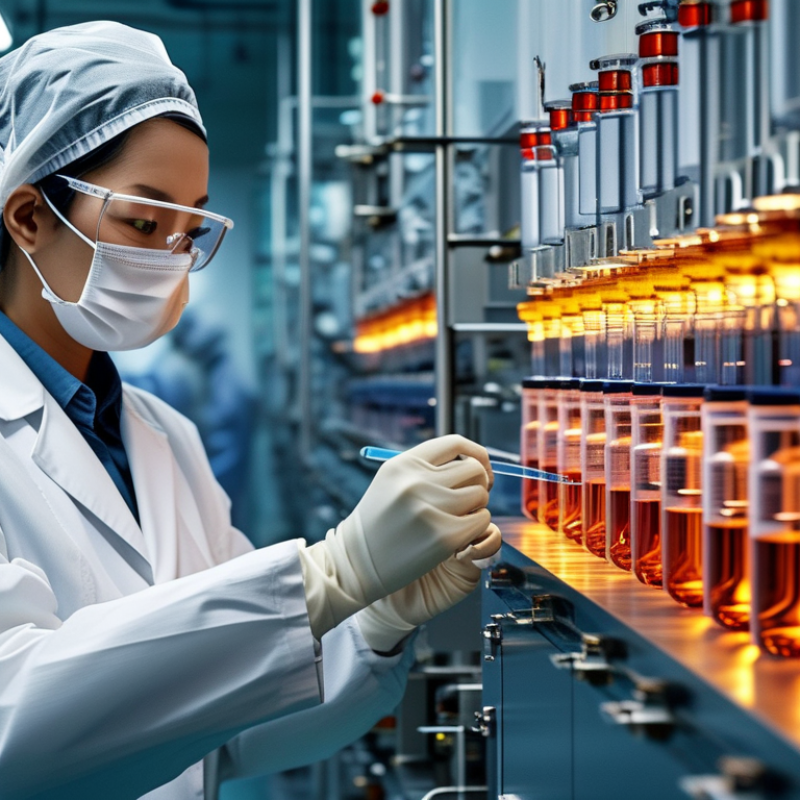
The manufacturing of biomedical drugs involves intricate processes that ensure the safety and efficacy of medical treatments. The journey begins with drug discovery, where researchers identify compounds that exhibit potential therapeutic effects. Advanced technologies aid in this exploration, including artificial intelligence and high-throughput screening methods to accelerate the identification process.
Once promising candidates are selected, the development phase begins. This involves rigorous testing and optimization. The compounds undergo preclinical studies, often in vitro and in animal models. Only the most effective and safe drugs advance to clinical trials, where human participants assess their safety and efficacy.
Tip: Collaboration within cross-disciplinary teams enhances the innovation process. Bring together experts in chemistry, biology, and engineering to refine drug development.
Manufacturing then follows a strict regulatory pathway. Facilities must comply with Good Manufacturing Practices (GMP) to maintain quality control. This stage requires precision in scaling up production, as small laboratory successes need to translate into large-scale outputs without compromising quality.
Tip: Regular audits and quality checks can prevent costly recalls. Fostering a culture of compliance within your team is vital for maintaining standards.
Throughout these phases, transparency and communication are key. Engaging with stakeholders, including regulatory bodies, can ensure a smoother transition from lab to market. Understanding the complexities of biomedical drug manufacturing highlights its multifaceted nature and the necessity for constant improvement in methodologies.
The development of biomedical drugs involves several key stages that ensure safety and effectiveness. Initially, researchers conduct extensive laboratory studies. They focus on understanding biological mechanisms. This phase is crucial. It sets the groundwork for further development.
Next comes preclinical testing, where compounds are evaluated for safety. Animal models play a significant role here. Results guide decisions on moving forward. However, this stage is not without pitfalls. Many promising compounds fail to show desired effects.
As trials progress to human testing, careful planning is necessary. Phase I evaluates safety. Phase II examines efficacy. Phase III involves larger groups to confirm results. Each phase adds complexity and challenges.
Tips for researchers include maintaining detailed records of all trials. Transparency is vital for credibility. Also, consider patient input during trials. This can improve design and outcomes. Moreover, collaboration with regulatory bodies can help navigate compliance and approval processes. Each stage has its surprises, reminding us to stay adaptable and open-minded.
| Stage | Description | Duration (Months) | Key Activities |
|---|---|---|---|
| Preclinical Research | Lab studies and tests on non-human models. | 36 | Testing drug efficacy and safety in animal models. |
| Clinical Trials Phase I | Initial testing in a small group of healthy volunteers. | 12 | Assessing safety and dosage. |
| Clinical Trials Phase II | Evaluating efficacy and side effects in a larger group of patients. | 24 | Further assessing efficacy and optimal dosing. |
| Clinical Trials Phase III | Larger scale testing to confirm effectiveness and monitor adverse reactions. | 36 | Comparing with existing treatments. |
| Regulatory Review | Submission of data to regulatory authorities for approval. | 12 | Preparing for legal approval processes. |
| Manufacturing | Production of the approved drug in compliance with regulations. | 6 | Scale-up production and quality assurance. |
| Post-Marketing Surveillance | Ongoing monitoring for long-term effects in the general population. | Ongoing | Collecting data from patients and healthcare providers. |
In today’s pharmaceutical landscape, regulatory standards play a critical role in ensuring the safety and efficacy of biomedical drugs. The global pharmaceutical market is projected to reach $1.5 trillion by 2023, highlighting the importance of compliance in drug manufacturing. Regulatory bodies are tasked with setting stringent guidelines. These regulations are essential for maintaining public trust and safeguarding patient health.
Manufacturers must adhere to Good Manufacturing Practice (GMP). This framework dictates the conditions under which drugs are produced. Non-compliance can lead to severe penalties. According to a report by the International Pharmaceutical Federation, 42% of companies experienced delays due to regulatory issues. This reveals the challenges faced by the industry. Continuous training and updates are necessary for teams involved in drug production. Yet, many companies struggle to keep pace with evolving regulations.
Data from the FDA indicates that nearly 25% of drug recalls stem from manufacturing errors. Such incidents highlight a critical area for improvement. Companies are encouraged to implement robust quality systems. They must invest in ongoing education for staff. Reflection on past errors can drive innovation in compliance practices. The path forward requires commitment and vigilance to ensure high standards are consistently met.
Technological advancements are reshaping biomedical drug production. Automation is a key player. It enhances efficiency and reduces human error. Robotic systems handle precise measurements and mixing. This minimizes variability in drug formulations.
Another innovation is the development of bioreactors. These provide controlled environments for growing cells. Increased cell density means higher yields of therapeutic proteins. However, the scalability of these systems can be complex. Each batch requires thorough validation, which can delay production times.
Moreover, artificial intelligence (AI) is proving to be invaluable. It analyzes vast datasets to predict drug interactions. However, reliance on AI raises questions about transparency and bias. Ensuring that algorithms are free from flawed assumptions is crucial for safe drug development. As technologies evolve, the industry must balance innovation with ethical considerations.
The biomedical drug manufacturing industry is currently facing several significant challenges. The increasing complexity of biologics requires advanced technologies and rigorous processes. According to a report from the Biotechnology Innovation Organization, nearly 50% of all new drug approvals are biologics. This trend demands specialized manufacturing capacities, which can be costly to develop.
Supply chain disruptions have also become a pressing issue. A survey by the International Society for Pharmaceutical Engineering indicates that 78% of manufacturers reported disruptions due to global events. These interruptions lead to delays in production and increased costs. Manufacturers must now prioritize resilient supply chains and adopt flexible strategies to adapt to rapid market changes.
Regulatory compliance represents another layer of complexity. The FDA has intensified scrutiny of manufacturing processes. Manufacturers face pressures to ensure quality while adhering to evolving regulations. It is estimated that compliance failures can increase operational costs by as much as 25%. This unresolved tension between innovation and regulation continues to challenge the industry’s progress. It highlights the need for ongoing adaptation and reassessment of manufacturing practices.
: Drug discovery is the initial step, where researchers identify potential therapeutic compounds.
Advanced technologies like artificial intelligence and high-throughput screening accelerate the identification of promising candidates.
The development phase begins, involving rigorous testing and optimization through preclinical studies.
Compliance ensures quality control, crucial for translating small lab successes into large-scale production.
Challenges include the complexity of biologics and interruptions in the supply chain that delay production.
Disruptions can lead to increased production costs and delays in bringing drugs to market.
Collaboration among experts in various fields enhances innovation and helps refine drug development processes.
Transparency and communication with stakeholders facilitate smoother transitions from lab to market.
Compliance failures can increase operational costs by up to 25%, affecting overall efficiency.
Evolving regulations create pressure to ensure quality while fostering innovation, requiring continuous adaptation.
The article "How are Biomedical Drugs Manufactured in Today's Market?" provides a comprehensive overview of the intricate processes involved in biomedical drug manufacturing. It begins with a detailed examination of the key stages in the development of these drugs, highlighting the various phases from research and development to clinical trials and final production. Emphasis is placed on the stringent regulatory standards and compliance guidelines that govern the manufacturing process, ensuring safety and efficacy in the final products.
Moreover, the article explores technological innovations that are transforming biomedical drug production, such as advancements in biotechnology and automation. It also addresses the challenges facing the industry, including rising costs, supply chain issues, and the need for continuous innovation. Overall, this insightful discussion sheds light on the complexities of the question, "How are biomedical drugs manufactured," underscoring the importance of adhering to industry standards while embracing new technologies to meet global healthcare demands.

SJ medical