The proper storage of biomedical drugs is critical for ensuring their efficacy and safety throughout global supply chains. A recent report by the World Health Organization estimates that improper storage and transportation account for up to 30% of product deterioration. This statistic highlights the importance of understanding how to store biomedical drugs properly.
Temperature control is key. Many drugs require specific conditions to maintain their potency. For instance, most vaccines should be kept between 2 to 8 degrees Celsius. Failure to adhere to these guidelines can compromise patient safety and waste valuable resources. Even brief excursions outside recommended conditions can lead to significant losses.
Implementing best practices for storage isn’t just about compliance. It’s also about accountability and reliability in healthcare. In a survey conducted by the Pharmaceutical Supply Chain Initiative, 55% of respondents reported challenges in tracking storage conditions during transit. This points to a systemic issue that demands reflection and improvement. Proper training and robust monitoring systems are essential to safeguard biomedical products.
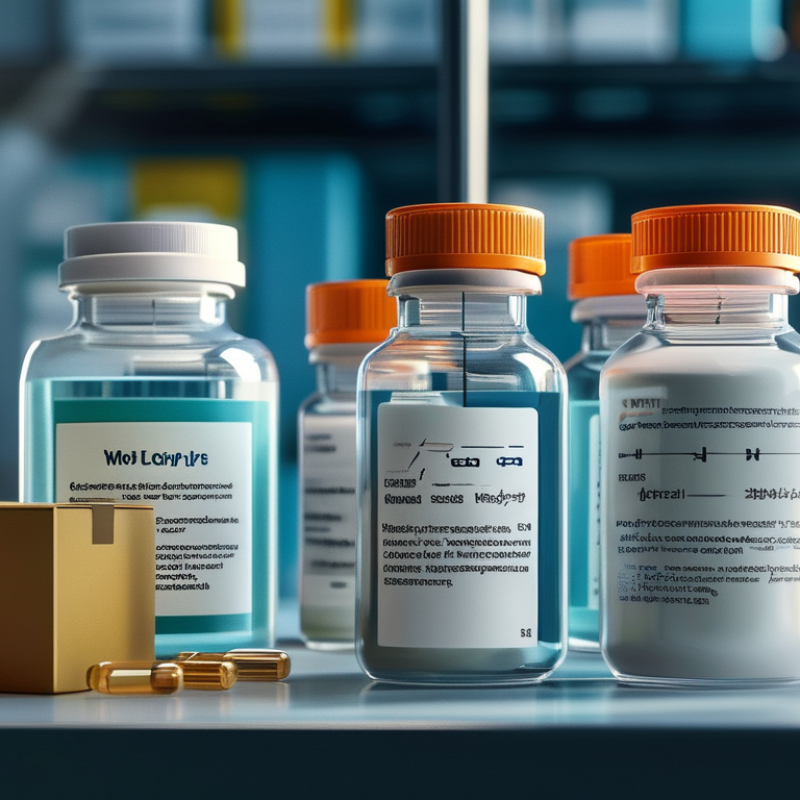
The importance of proper storage for biomedical drugs in supply chains cannot be overstated. According to a report from the Global Supply Chain Institute, improper storage conditions can lead to a staggering 20% loss of drug efficacy. This raises significant concerns for patient safety and public health. Maintaining appropriate temperature and humidity levels is crucial. Optimal storage temperatures typically range between 2°C to 8°C for many vaccines and biologics. Deviations can compromise the integrity of these products, potentially leading to adverse health outcomes.
The complexity of global supply chains adds layers of challenges. Different regions may face varying climate conditions affecting storage practices. A study from the Pharmaceutical Research and Manufacturers of America revealed that nearly 30% of pharmaceutical shipments are exposed to unsuitable temperature conditions. This calls for robust monitoring systems. Real-time tracking and innovative packaging methods can enhance the reliability of storage solutions. Despite technological advancements, issues like human error or equipment failure still pose risks, warranting ongoing reflection and improvement in practices.
Ensuring compliance with Good Distribution Practices (GDP) is vital for stakeholders. Regular audits and continuous training are essential components of a comprehensive storage strategy. The stakes are high, not just for companies but for patients relying on these vital medications. Small lapses can lead to significant consequences. The balance between cost and quality remains a constant tension, urging the industry to keep evolving for safer drug storage solutions.
Storing biomedical drugs requires meticulous attention to various factors that influence stability and efficacy. Temperature is a critical element, as many drugs degrade outside optimal ranges. For instance, the World Health Organization (WHO) emphasizes that temperatures above 25°C can reduce the viability of certain vaccines. This highlights the importance of temperature-controlled logistics in global supply chains.
Humidity also plays a significant role. The U.S. Pharmacopeia suggests that moisture can lead to hydrolysis and other deterioration reactions. When exposed to high humidity, many pharmaceuticals can lose potency quickly. Therefore, packaging designed to mitigate moisture is essential for maintaining drug integrity.
Light exposure can further compromise drug stability. Studies indicate that light-sensitive medications can degrade significantly when exposed to sunlight or fluorescent lighting. This underlines the need for effective packaging solutions that prevent light entry. Despite advancements in storage technology, issues still arise. Containers may fail to maintain ideal conditions, leading to potential losses. Continuous monitoring through data loggers can help identify such risks and prompt corrective actions.
Proper temperature control is crucial in biomedical drug storage. A report from the World Health Organization emphasizes that maintaining a stable temperature can reduce drug degradation by up to 50%. Most biomedical drugs require specific temperature ranges, often between 2°C to 8°C, for optimal preservation. Deviations can lead to compromised efficacy, making precise monitoring essential.
Implementing Real-Time Monitoring Systems ensures that storage conditions remain within required limits. Research shows that continuous temperature tracking can prevent significant losses in product quality. For example, a cold chain disruption lasting over six hours can render temperature-sensitive vaccines ineffective. Regular audits and staff training are vital to maintain storage integrity. However, many organizations still overlook the need for routine checks, forcing a reevaluation of existing protocols.
Manual temperature checks are often insufficient. Automated systems provide better accuracy and reliability. Collaborating with logistics partners who prioritize temperature management is essential. However, inconsistencies in data reporting can create blind spots in the supply chain. Transparency and communication must be prioritized to address these issues effectively. Implementing these strategies can ensure the safe transportation and storage of essential biomedical drugs.
Storing biomedical pharmaceuticals requires strict adherence to regulatory guidelines to maintain integrity. Regulatory bodies worldwide outline parameters regarding temperature, humidity, and light exposure. For instance, the World Health Organization (WHO) states that most vaccines must be stored at 2-8 degrees Celsius. Deviations can lead to compromised efficacy. The European Medicines Agency (EMA) also stresses that storage conditions must be validated at each stage of the supply chain.
The United States Pharmacopeia (USP) offers further insights into best practices. A 2022 report highlighted that improper storage conditions can reduce drug potency by up to 50%. Facilities must have climate control systems that are regularly monitored. However, many facilities still face challenges in ensuring consistency. Human error remains a significant factor, often due to overwhelming workloads.
Record-keeping is another crucial aspect of compliance. Accurate documentation helps track temperature excursions and potential issues. A 2023 study revealed that 30% of pharmaceutical companies lack adequate digital records to monitor storage conditions effectively. This gap can lead to serious regulatory penalties and public health risks. Therefore, ongoing training for staff is essential to reinforce the importance of these guidelines. Compliance is not just regulatory; it ensures patient safety.
Maintaining the integrity of biomedical drugs during transport is crucial. Innovative technologies now play a key role in monitoring drug storage conditions. Sensors and IoT devices can track temperature and humidity in real-time. This data ensures that drugs remain within safe limits throughout the supply chain.
Continuous monitoring helps detect fluctuations. For instance, if a drug's temperature rises too high, an alert can be triggered. Such systems work autonomously, providing peace of mind for manufacturers and distributors. These technologies can also produce reports, documenting storage conditions over time. This kind of transparency is essential for regulatory compliance.
Proper training for staff is vital. Everyone involved must understand how to handle monitoring devices effectively. Regular audits of the systems should be conducted. Documentation must be clear and accessible. Investing in employee education will minimize human error. In an industry where mistakes can have severe consequences, every detail matters.
: Proper storage prevents a 20% loss of drug efficacy, ensuring patient safety.
Optimal storage temperatures typically range from 2°C to 8°C.
Different regions can expose drugs to unsuitable temperature conditions.
Nearly 30% of pharmaceutical shipments experience unsuitable temperature conditions.
Real-time tracking and innovative packaging methods improve reliability significantly.
Manual checks are often insufficient and can lead to inaccuracies.
Continuous training helps maintain compliance and ensures safe storage practices.
Inadequate records can lead to regulatory penalties and public health risks.
Automated systems offer better accuracy, preventing significant product quality losses.
Such disruptions can render temperature-sensitive vaccines ineffective.
Proper storage of biomedical drugs is crucial for ensuring their stability and efficacy throughout global supply chains. Understanding how to store biomedical drugs properly requires attention to several key factors that affect drug stability, including temperature, humidity, and light exposure. Implementing best practices for temperature control is essential, as fluctuations can lead to significant degradation of pharmaceutical products.
Additionally, adherence to regulatory guidelines for storing biomedical pharmaceuticals ensures compliance and safeguarding of public health. Innovative technologies, such as real-time monitoring systems, can enhance the ability to track storage conditions, providing assurance that drugs remain within their approved parameters. By focusing on these aspects, stakeholders can effectively maintain the integrity of biomedical drugs in transit and storage, ultimately improving patient outcomes.

SJ medical