In the pharmaceutical landscape, the distinction between generic and branded drugs is crucial for patients and healthcare providers alike. What is the difference between generic and branded drugs? This question often arises in discussions about medication costs, efficacy, and safety. According to a 2022 report from the American Association of Health Systems Pharmacists, over 90% of prescriptions filled in the U.S. are for generic drugs, highlighting their significant role in healthcare.
Branded drugs, protected by patents, are often marketed with unique names and extensive advertising. In contrast, generic drugs are equivalent in dosage and effectiveness but are sold under their chemical names. A study from the Journal of Managed Care & Specialty Pharmacy in 2023 revealed that generics could save the healthcare system more than $300 billion annually. However, concerns about quality and consistency may linger in consumers' minds.
Despite the financial advantages of generics, some patients still prefer branded options. This could stem from brand loyalty or the perception of higher quality. Understanding the real implications of these choices is vital. A well-informed decision can lead to significant savings and better health outcomes. Nonetheless, questions remain about whether all generics match their branded counterparts in effectiveness. The ongoing debate reveals complexities that merit further exploration.
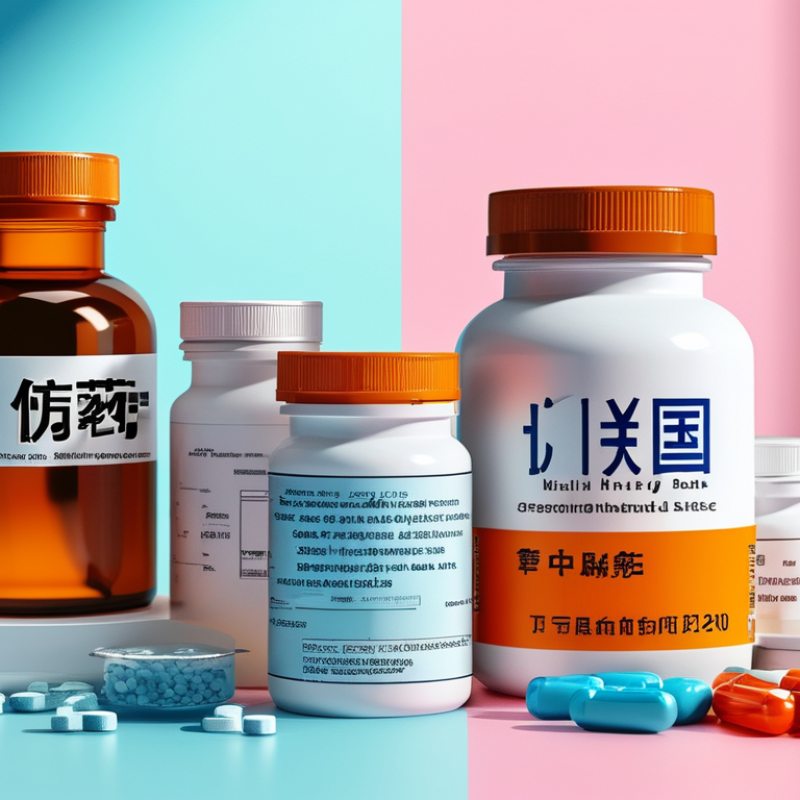
In the pharmaceutical industry, the regulatory approval processes for generic and branded drugs differ significantly. Branded drugs undergo a demanding approval process, which can take over a decade. Initially, manufacturers must conduct extensive preclinical testing. This includes animal testing to assess safety before human trials begin. Once initial data is gathered, clinical trials follow in several phases, often enrolling thousands of participants. According to a report by the FDA, only 10% of drugs eventually receive approval after these rigorous evaluations.
In contrast, generic drugs benefit from the research conducted on their branded counterparts. They can enter the market after a brand's patent expires, following a streamlined process. The FDA requires generics to demonstrate bioequivalence to the branded drug. This means they must work the same way in the body. The time for approval for generics is typically shorter, averaging 6 months, according to industry data. However, this raises concerns about rigorous testing. Some worry that generics may not always match the safety or efficacy standards of their branded equivalents. The market's reliance on generics for cost savings may lead to a need for further validation.
The market landscape for drugs reveals a significant evolution in recent years. Generic drugs have carved out a notable space, driven by affordability and accessibility. A report indicates that generics account for nearly 90% of all prescriptions in many regions. This rise reflects a growing acceptance among patients and healthcare providers. Generic medications provide similar efficacy but at a fraction of the cost.
In contrast, branded drugs maintain a strong presence in the pharmaceutical market. They often invest heavily in research and development. This creates a perception of reliability and innovation. Patients may feel more comfortable with brands they recognize. Yet, this trust can lead to higher costs, making healthcare less accessible for many. The competition between generics and brands influences the overall market dynamics.
Despite the advantages of generics, some skepticism remains. Concerns over quality and efficacy can deter patients. Not all generics meet the same standards, despite regulations in place. Therefore, consumers must remain vigilant. Research and consultation with healthcare professionals are vital. As the market evolves, balancing cost with quality will remain crucial.
| Category | Generic Drugs Market Share (%) | Branded Drugs Market Share (%) | Average Price (USD) | Average Growth Rate (2019-2023) (%) |
|---|---|---|---|---|
| Pain Relief | 30 | 70 | 5.00 | 5 |
| Antibiotics | 55 | 45 | 2.50 | 10 |
| Cardiovascular | 40 | 60 | 10.00 | 4 |
| Diabetes | 25 | 75 | 8.50 | 6 |
| Antidepressants | 45 | 55 | 6.00 | 8 |
When it comes to drug pricing, the differences between generic and branded medications are significant. A study from the FDA reveals that generic drugs can cost 30% to 80% less than their branded counterparts. This price disparity arises from the lower development costs associated with generics. Generic medications are often available shortly after a branded drug's patent expires, leading to increased market competition.
Financial reports indicate that the average retail price of a branded drug can exceed $500 for a month's supply. In contrast, generics frequently sell for around $200. This gap poses a challenge for healthcare systems, especially in regions with limited insurance coverage. Many patients remain unaware of these options, which ultimately leads to higher out-of-pocket expenses for essential medications.
Quality is equally important in this discussion. Some patients fear that generics may be less effective, although studies consistently show they are bioequivalent to branded drugs. This perception can hinder the acceptance of generics. It’s critical for healthcare providers to educate patients on the efficacy of these alternatives, as misconceptions can lead to unnecessary financial strain. A re-evaluation of patient education strategies is needed to bridge this gap and promote cost-saving therapies.
Consumer attitudes towards generic and branded drugs can significantly influence their health decisions. Many consumers trust branded medications due to marketing and perceived quality. However, price differences often lead patients to consider generic options. Some view generics as inferior, while others appreciate their affordability.
When evaluating drugs, it is crucial to understand active ingredients. Both generic and branded versions often contain the same compounds. Yet, the formulation may vary slightly. This variance can affect absorption or efficacy. Trusting a brand may stem from a patient’s previous experiences or recommendations from healthcare professionals.
**Tip**: Always consult a healthcare provider when choosing between generic and branded medications.
Consumer education plays a key role in shaping perceptions. Sharing educational resources can demystify the effectiveness of generics. Addressing concerns through transparent communication is vital. Encourage patients to examine the facts rather than rely on assumptions.
**Tip**: Look for independent studies on drug efficacy. This knowledge empowers better decisions.
Ultimately, trust in medications is critical. Educating consumers about drug differences will foster informed choices. A balance between affordability and quality needs exploration.
When comparing generic and branded drugs, understanding their effectiveness is vital. Both types aim to treat the same conditions. However, differences exist in their formulation. Branded drugs often have proprietary formulations that may contain additional ingredients. This can influence how the body absorbs and responds to the medication. While generics must prove bioequivalence, subtle variations can affect individual responses.
The clinical outcomes of using generic versus branded drugs can vary. Some patients report better results with branded options. This may be due to the formulation differences or the perception of quality associated with brands. Generic drugs, however, can offer significant cost savings. In the end, what works best can depend on individual physiology and preferences. It's essential to monitor treatment responses, as this can lead to necessary adjustments in medication choice. Balancing cost and effectiveness is a complex task that requires careful consideration and sometimes reevaluation of choices.
: Branded drugs can take over a decade for regulatory approval.
Generic drugs can enter the market after a brand's patent expires, usually within 6 months.
Generics rely on research from branded drugs, which raises concerns about their safety and efficacy.
Marketing, perceived quality, and individual experiences shape trust in branded versus generic drugs.
Both often contain the same active compounds, but their formulations may differ slightly.
Price differences and lack of familiarity can lead to the perception that generics are of lower quality.
Looking for independent studies and resources can help clarify the effectiveness of generics.
A healthcare provider can offer personalized advice, helping consumers make informed decisions about their medications.
Education helps demystify generics, fostering informed choices and balancing affordability with quality.
It addresses concerns and encourages patients to examine facts rather than make assumptions.
The article "China Top Differences Between Generic and Branded Drugs Explained" delves into the key distinctions between generic and branded drugs. One of the primary contrasts lies in their regulatory approval processes; generic drugs typically enter the market after the branded version has been established, requiring less extensive testing due to their bioequivalence to the original. Market shares highlight the increasing growth of generic drugs alongside the continued dominance of branded drugs, reflecting evolving consumer preferences.
Cost comparisons reveal that generic drugs are generally more affordable, making them a popular choice among consumers. However, perception and trust play significant roles in consumer attitudes, as many still favor branded drugs for their established reputation. Overall, effectiveness and bioequivalence are critical factors in clinical outcomes, raising the question: what is the difference between generic and branded drugs? Understanding these differences can guide consumers in making informed choices about their medication options.
SJ medical