Infectious Diseases pose a significant global threat. According to the World Health Organization, over 13 million deaths occur annually due to these illnesses. Effective Infectious Disease Treatments are essential in mitigating this alarming statistic.
Innovative therapies have emerged, yet gaps remain in access and effectiveness. Antimicrobial resistance is rising, complicating treatment efforts. A recent report indicates that 700,000 people die each year from drug-resistant infections. This underscores the urgency for advanced care options.
Healthcare professionals must stay updated on emerging treatments and technologies. Data from the CDC highlights that timely intervention can reduce morbidity rates significantly. Addressing the disparities in treatment access is crucial, demanding a collective effort from stakeholders in health sectors. Continuous research and adaptation are vital in overcoming the challenges posed by Infectious Disease Treatments.
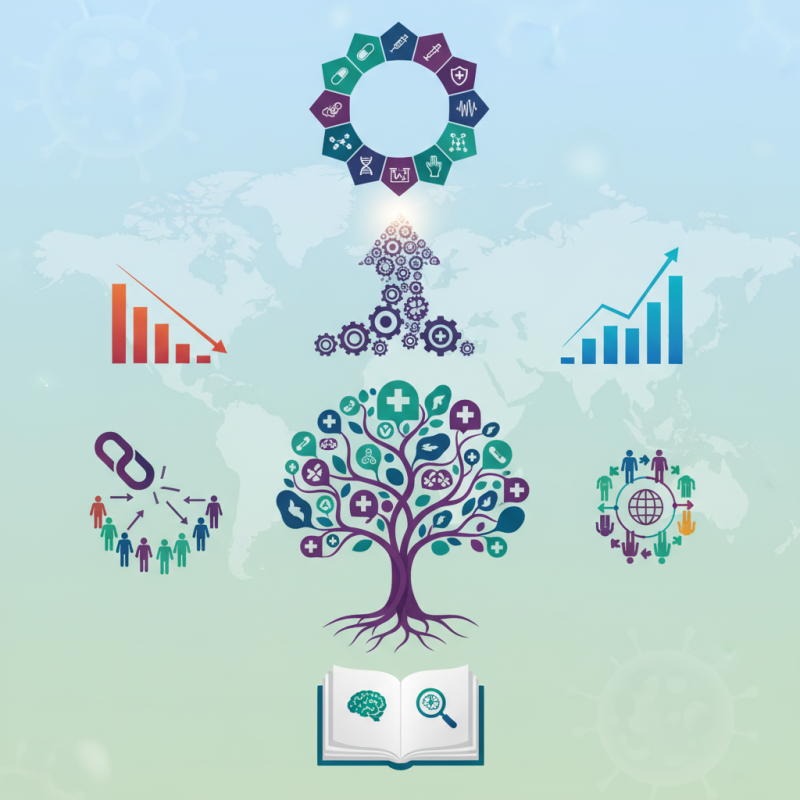
Infectious diseases pose significant challenges to public health. They can spread quickly, affecting large populations. The impact of these diseases often extends beyond physical health. Economies can struggle as workforce productivity declines. Education may also suffer, as children miss school due to illness.
Understanding infectious diseases is crucial. They vary in severity, from mild infections to life-threatening conditions. Some diseases can be prevented through vaccination. Others require effective treatments. Researchers constantly strive to find better solutions. This is an ongoing challenge that requires attention and funding. The complexity of microbes makes this task even harder.
The consequences of neglecting these diseases can be severe. When communities are unprepared, outbreaks can spiral out of control. Public awareness is essential. Education about prevention is key. Everyone should know how to reduce their risk. Being informed empowers communities to act. We must remain vigilant and proactive.
Infectious disease treatments are crucial for public health. Understanding how these treatments work can empower patients and caregivers. Most treatments hammer at the germs causing illness, using various mechanisms. For instance, some antibiotics disrupt bacterial cell walls. Others inhibit protein synthesis, effectively starving the bacteria. Antivirals, on the other hand, can interfere with viral replication, hindering their spread.
Some treatments might not yield immediate results, raising concerns. Effective treatments often require time to show improvement. Side effects can also complicate matters; some patients experience severe reactions or drug resistance. These challenges remind us of the importance of patient education and constant communication with healthcare providers. Knowing how a treatment operates can lead to better adherence and outcomes.
Infectious diseases pose a significant threat to public health. Antimicrobial agents, including antibiotics and antivirals, play a crucial role in managing these diseases. According to the World Health Organization, antibiotic resistance is responsible for 700,000 deaths annually. This alarming statistic highlights the need for effective treatment options.
Antibiotics are essential for treating bacterial infections. They inhibit bacterial growth and help the immune system. However, overuse has led to resistance. A report from the Centers for Disease Control and Prevention shows that nearly 30% of antibiotics prescribed in outpatient settings are unnecessary. Patients need to take antibiotics only when absolutely needed.
Antivirals specifically target viral infections. They can significantly reduce symptoms and promote recovery. For instance, antiviral medications for influenza can shorten illness duration by one day. Still, misuse of antiviral agents can lead to resistance as well. Regularly prescribing these medications without proper diagnosis can complicate treatment efforts.
**Tip: Educate yourself on the proper use of antibiotics and antivirals. Understanding their roles can empower you to make informed decisions about your health.** Avoid self-medicating. Always consult a healthcare professional when considering these treatments.
**Tip: Track your medication history. This practice helps in reducing unnecessary prescriptions. It also aids healthcare providers in making better decisions.** Always communicate openly with your doctor about your medical history and any ongoing treatments.
Vaccination is a crucial tool in the fight against infectious diseases. Research shows that vaccines can reduce disease incidence by up to 90%. For instance, the Global Vaccine Action Plan estimates that vaccinations prevent 2-3 million deaths each year. This highlights their importance in public health.
Despite advancements, vaccine hesitancy persists. Many individuals remain skeptical about vaccine safety and efficacy. In some regions, vaccination rates are alarmingly low. The CDC reported that only 70% of children receive the recommended vaccinations. This creates an increased risk of outbreaks, even for diseases previously under control.
Tips: Stay informed about vaccines. Speak with healthcare providers about concerns. Community education can help alleviate fears. Engaging local leaders to spread accurate information is vital to increase trust. Remember, every vaccinated individual contributes to herd immunity, protecting those who cannot be vaccinated.
In conclusion, emphasizing the significance of vaccination is essential. The consequences of inaction can be severe, leading to resurgence of preventable diseases. Being proactive about vaccination can foster a healthier future.
The landscape of infectious disease treatments is constantly evolving. Emerging innovations show great promise in improving patient outcomes. Novel antiviral agents and targeted therapies are at the forefront. These treatments offer faster recovery times and better efficacy. For instance, some new methods utilize genetic editing to tackle resistant strains of viruses. It’s fascinating, yet it raises ethical questions.
Tips: Stay informed about new research. Engage with healthcare professionals who specialize in infectious diseases. They can provide insights into the latest advancements.
Monitoring patient responses to treatments is crucial. Outcomes can vary significantly among individuals. Patient data helps identify which therapies work best for specific populations. Adverse reactions can occur, so it's vital to communicate openly with healthcare providers.
Tips: Never hesitate to ask about side effects. Knowledge is power in managing health conditions. Understanding your treatment plan can lead to better adherence and results. Innovations are exciting, but they also require careful consideration.
: Infectious diseases spread quickly and can harm public health significantly. They impact economies and education as well.
Treatments target germs, disrupting their functions. Antibiotics attack bacterial walls, while antivirals hinder viral replication.
Vaccination can reduce disease incidence by up to 90%. It prevents millions of deaths annually, proving its crucial role.
Some treatments may take time to show effects. Side effects and drug resistance can complicate treatment efficacy.
Many individuals are skeptical about vaccine safety and effectiveness, leading to lower vaccination rates in some areas.
Community education is vital. Engaging local leaders to spread accurate information can build trust and encourage vaccinations.
Neglecting vaccinations can lead to outbreaks of preventable diseases. The consequences can be severe for communities.
Knowing how treatments work can enhance adherence and communication with healthcare providers, improving health outcomes.
Public awareness can empower communities to act. Education about prevention can significantly reduce risks of infection.
Individuals should stay informed and discuss concerns with healthcare providers. Engaging in community discussions can help alleviate fears.
Infectious Disease Treatments play a critical role in managing and preventing various health threats posed by pathogens. Understanding infectious diseases begins with recognizing their impact on public health, which underscores the need for effective treatment strategies. The mechanisms of these treatments, including the use of antimicrobial agents like antibiotics and antivirals, are essential for combating infections and reducing morbidity.
Vaccination emerges as a vital preventive measure, safeguarding populations against numerous infectious diseases. Furthermore, the field continuously evolves with emerging treatments and innovations that enhance management strategies. Staying informed about these advancements in Infectious Disease Treatments is crucial for healthcare professionals and the general public alike, as they contribute significantly to global health security.

SJ medical