Biologics have transformed modern medicine, offering new hope for patients suffering from various conditions. According to the latest report from the Global Biologics Market, the industry is projected to surpass $500 billion by 2024. This growth reflects the increasing reliance on biologics as effective treatments. So, what are biologics used for in medicine? They are crucial in treating diseases such as rheumatoid arthritis, multiple sclerosis, and certain cancers.
The efficacy of biologics stems from their ability to target specific pathways in the immune system. Many patients experience significant improvements in their quality of life. However, the high cost of biologics raises concerns about accessibility. A report from the American Hospital Association highlights that nearly 20% of patients face financial barriers in obtaining these treatments. The biological complexity can also lead to varied responses among individuals, which necessitates ongoing research and personalized medicine approaches.
Considering these factors, stakeholders must address both the benefits and challenges associated with biologics. The future of biologic therapies holds promise, but careful examination of their implications is crucial for equitable healthcare access. Balancing innovation and affordability will determine their success in medicine.
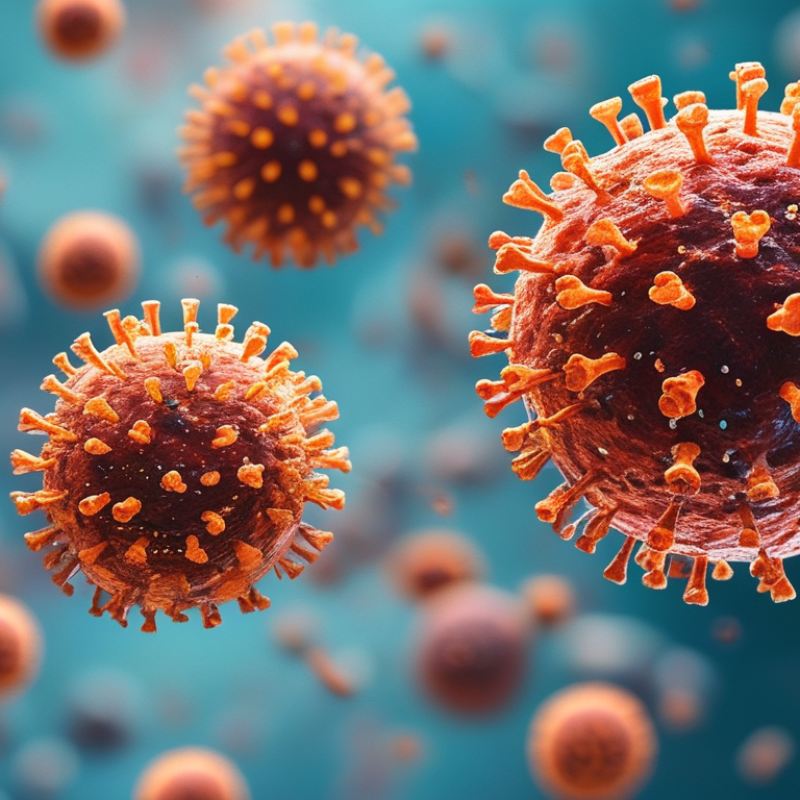
Definition and Classification of Biologics in Medicine
Biologics are a class of products derived from living organisms. They include a wide range of therapeutic agents such as vaccines, blood components, and gene therapies. Unlike traditional drugs, which are often chemically synthesized, biologics are complex molecules. Their production involves intricate biological processes. This complexity poses both opportunities and challenges in modern medicine.
The classification of biologics typically falls into several categories. Monoclonal antibodies, for example, are engineered to target specific cells or proteins. They play a crucial role in treating cancers and autoimmune diseases. Another category is cell and gene therapies, which focus on modifying or repairing cells. Advanced techniques allow for personalized treatments but are still in the early stages of research. The efficacy and safety of these treatments are continually assessed, raising questions about accessibility and standardization.
While biologics show great promise, they require careful handling and monitoring. Production can be costly and time-consuming. The manufacturing process must adhere to strict regulations. Contamination or variability in production can lead to serious consequences. As the field evolves, the need for robust guidelines becomes evident. Ongoing research and ethical considerations will shape the future of biologics in healthcare.
Mechanisms of Action: How Biologics Work in the Body
Biologics play a crucial role in modern medicine by targeting specific pathways in the body. They are derived from living organisms and include proteins, monoclonal antibodies, and vaccines. These therapies differ significantly from traditional drugs in their mechanisms of action. By precisely targeting the underlying causes of diseases, biologics can provide effective treatment for conditions such as autoimmune disorders and certain cancers.
For example, monoclonal antibodies can inhibit immune responses that cause inflammation. According to a 2021 report from Grand View Research, the global biologics market is expected to reach $460 billion by 2025. This growth is driven by the increasing prevalence of chronic diseases and advances in biotechnology. However, biologics also present challenges, such as potential side effects and high costs.
Tip: When considering biologic therapy, consult with a healthcare professional to understand the specific benefits and risks. Personalized treatment plans can improve outcomes.
Moreover, biologics require strict manufacturing standards to ensure safety and efficacy. The FDA regulates these products closely, confirming their reliability. This regulatory oversight helps build trust among patients and healthcare providers. Despite advancements, some patients may experience variable responses to biologics. This inconsistency highlights the need for ongoing research and patient monitoring.
Tip: Keep track of your symptoms and discuss any changes with your healthcare provider. This feedback can help refine treatment approaches.
What Are the Uses of Biologics in Modern Medicine? - Mechanisms of Action: How Biologics Work in the Body
| Type of Biologic |
Uses in Medicine |
Mechanism of Action |
Examples |
| Monoclonal Antibodies |
Cancer treatment, autoimmune diseases |
Target specific antigens to inhibit growth or function of cells |
Rituximab, Trastuzumab |
| Vaccines |
Prevent infectious diseases |
Stimulate the immune system to recognize pathogens |
Influenza vaccine, COVID-19 vaccines |
| Gene Therapy |
Treat genetic disorders |
Introduce or alter genes to correct dysfunctional ones |
Luxturna, Zolgensma |
| Cytokines |
Cancer treatment, modulation of immune response |
Mimic proteins that regulate immune functions |
Interleukin-2, Interferons |
| Enzyme Replacement Therapies |
Genetic enzyme deficiencies |
Supplement deficient enzymes to restore metabolic balance |
Aldurazyme, Fabrazyme |
Common Therapeutic Areas for Biologics: An Overview
Biologics play a crucial role in modern medicine, particularly in treating complex diseases. For example, over 200 biologic medications are approved for use. They target conditions like rheumatoid arthritis, multiple sclerosis, and certain cancers. These therapies often improve quality of life. In fact, recent studies show that patients with rheumatoid arthritis using biologics can achieve significant remission rates, exceeding 50%.
Another key area for biologics is oncology. Cancer therapies based on biologics, such as monoclonal antibodies, have transformed treatment protocols. Data from the American Society of Clinical Oncology indicates that nearly 40% of cancer treatments now involve biologic agents. This shift signifies a growing reliance on targeted therapies that leverage the body's immune system to fight cancer.
However, the high cost and accessibility of biologics present challenges. Reports indicate that biologic therapies can be significantly more expensive than traditional medications, leading to disparities in patient access. This raises concerns about the sustainability of biologic therapies in health care systems. Ongoing discussions about affordability and access are critical as the field continues to evolve.
Advantages and Limitations of Biologics Compared to Traditional Medicines
Biologics have become an integral part of modern medicine. These products, derived from living organisms, can target specific diseases with higher precision. One significant advantage of biologics is their ability to treat conditions that traditional medicines struggle with, such as autoimmune disorders and certain cancers. Patients often experience fewer side effects, which can lead to better compliance with treatment protocols.
However, biologics are not without limitations. Their complexity creates challenges in manufacturing and storage. For instance, many biologics require refrigeration, limiting access in some regions. Additionally, these treatments can be substantially more expensive than traditional drugs, raising concerns about affordability. Even with their potential, some patients may not respond as expected. Monitoring and personalized treatment plans become essential in such cases.
The growing reliance on biologics reflects a shift in medical approaches. Still, the medical community must carefully navigate their advantages and pitfalls. Ongoing research and dialogue are necessary to optimize their use and ensure equitable access for all patients. Understanding this balance is crucial in shaping the future of personalized medicine.
Future Trends and Innovations in Biologic Therapies
Biologic therapies are at the forefront of modern medicine. These treatments use living cells to target diseases. As research progresses, we can expect significant innovations that enhance their efficacy. Personalized biologics are emerging as a solution for various conditions. They tailor treatments based on individual genetic profiles, improving outcomes for patients.
Additionally, advancements in biotechnology are shaping the future of these therapies. Scientists are exploring new ways to produce biologics more efficiently. Techniques like CRISPR and synthetic biology could revolutionize how we develop treatments. However, these advancements come with challenges. They raise ethical questions and require careful regulatory oversight. Balancing innovation with safety is crucial for the future of biologics.
The integration of biologics into everyday medical practice is promising. New delivery methods are being developed to improve patient compliance. For example, microneedle patches could simplify administration. Yet, practical barriers remain. Accessibility and cost are significant hurdles for widespread implementation. The road ahead for biologic therapies is both exciting and complex, necessitating collaboration among scientists, regulators, and healthcare providers.
FAQS
: Biologics are therapies derived from living organisms. They include proteins, monoclonal antibodies, and vaccines.
Biologics target specific pathways in the body, offering a different mechanism of action. Traditional drugs often treat symptoms broadly.
Biologics effectively treat complex diseases like autoimmune disorders and certain cancers. Their precision improves patient outcomes.
Yes, biologics can have side effects and high costs. Patients should discuss these with healthcare professionals before starting treatment.
Personalized treatment improves the chances of success for biologics. It helps in addressing variability in patient responses.
High costs and manufacturing complexities limit access to biologics. This raises concerns about equitable patient care and sustainability.
Strict regulatory standards ensure the safety and efficacy of biologics. This oversight builds trust among patients and healthcare providers.
Responses to biologics can vary greatly among patients. Continuous monitoring and adjustments to treatment may be necessary.
Biologics, like monoclonal antibodies, are increasingly used in oncology. They leverage the immune system to fight cancer more effectively.
Patients should monitor their symptoms closely. Reporting changes helps healthcare providers refine treatment strategies.
Conclusion
Biologics represent a significant advancement in modern medicine, defined as therapeutic agents derived from living organisms. They are classified into various categories, including monoclonal antibodies, vaccines, and gene therapies, each serving unique functions in treating diseases. Understanding how biologics work in the body is essential; they often target specific pathways or cells, thereby modulating immune responses or correcting underlying biological dysfunctions.
What are biologics used for in medicine? These therapies are commonly utilized in treating chronic conditions such as cancer, autoimmune diseases, and infectious diseases. Biologics offer several advantages over traditional medicines, particularly in terms of precision and efficacy, though they also come with limitations, including potential side effects and high costs. Looking ahead, ongoing innovations in biologic therapies promise to enhance their effectiveness and broaden their applications, paving the way for new treatment options in the healthcare landscape.

 SJ medical