Vaccination is a cornerstone of public health. It plays a crucial role in preventing diseases. How do vaccines help prevent diseases effectively? Understanding this can empower communities. Vaccines stimulate the immune system. They train it to recognize harmful pathogens. This proactive approach reduces illness rates significantly.
The process is intricate but effective. When vaccinated, the body builds immunity. This means fewer outbreaks and less strain on healthcare systems. For example, diseases like measles and polio have seen drastic declines. Yet, vaccine hesitancy remains a challenge. Some people question their safety and necessity. Combating misinformation is essential for public health.
Engaging in discussions about vaccines is valuable. It helps clarify misconceptions and establish trust. Vaccines are not infallible, but they represent a major advancement in science. Reflecting on their impact is important. The conversation around vaccination must continue to evolve. Fostering awareness can lead to a healthier future.
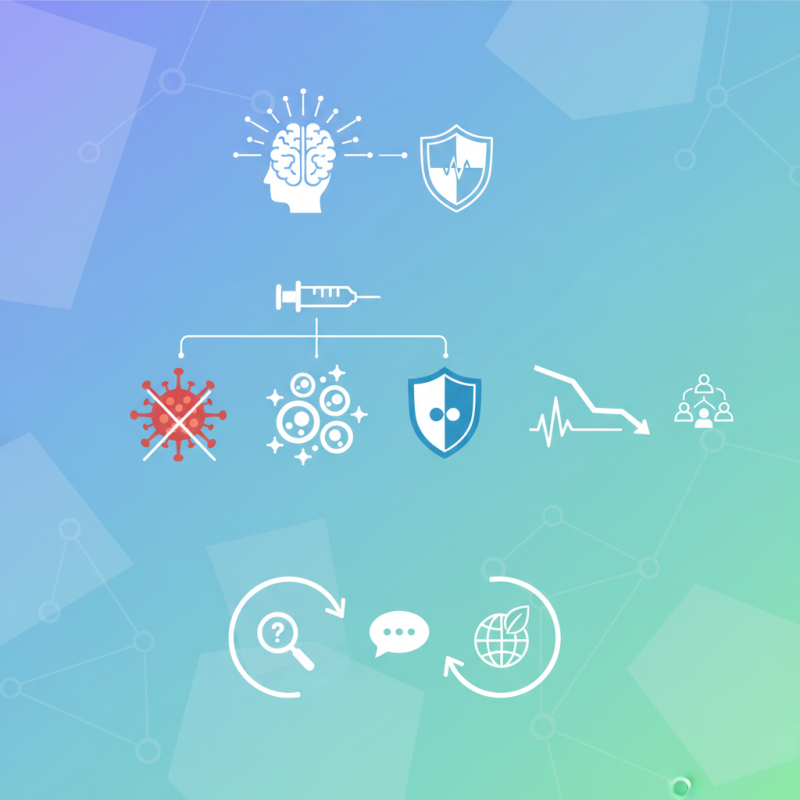
Vaccines play a crucial role in protecting our health. At their core, vaccines contain harmless components that mimic infectious agents. These components can be proteins or inactivated parts of the virus or bacteria. When introduced into the body, they stimulate the immune system to recognize and combat the real pathogens. This process allows the body to build immunity without suffering from the actual disease.
The immune system has an exceptional memory. Once vaccinated, your body can remember the infectious agent for years. This memory helps mount a quicker response if exposed again. Enhanced protection is crucial for diseases like measles and polio, which can have severe consequences. Not every vaccine works equally for everyone. Some individuals may not develop full immunity, highlighting the importance of ongoing research.
Infectious diseases can evolve, making vaccines less effective over time. Continuous monitoring and updating of vaccines are necessary. It’s a reflection of how complex our immune system is. There are also debates surrounding vaccine hesitancy and misinformation. These challenges remind us that education on vaccines is vital for public health.
Vaccination acts as a powerful tool in disease prevention. When a vaccine is administered, it introduces a harmless part of a pathogen into the body. This could be a weakened virus or a piece of its genetic material. The immune system recognizes this foreign entity and mounts a response. This response includes producing antibodies, which specifically target the pathogen.
These antibodies remain in the body. They create a memory for the immune system. If the actual pathogen later attempts to invade, the body responds swiftly. It’s like having a security system that remembers intruders. Immune cells quickly identify and neutralize the threat, often before it can cause illness.
Despite its effectiveness, vaccination is not foolproof. Not everyone develops immunity equally. Some individuals may not respond well due to underlying health conditions or age. Thus, public health strategies often emphasize herd immunity. This concept relies on a significant portion of the population being vaccinated to protect those who cannot be vaccinated. Reflecting on these complexities is vital in understanding the full impact of vaccines on public health.
| Vaccine Type | Target Disease | Mechanism of Action | Immune Response Triggered | Duration of Immunity |
|---|---|---|---|---|
| Inactivated | Polio | Stimulates immune system to produce antibodies | Humoral immunity with memory cells | 10 years |
| Live Attenuated | Measles | Mimics natural infection to induce protective immunity | Cell-mediated and humoral immunity | Life-long |
| Subunit | Hepatitis B | Uses pieces of the virus to stimulate an immune response | Humoral immunity with strong antibody production | 5-7 years |
| mRNA | COVID-19 | Instructs cells to produce a harmless piece of the virus | Robust immune response with T and B cells | 6-12 months |
Vaccines are crucial in preventing diseases. They come in various types, each serving a unique role. The most common types are inactivated, live-attenuated, and mRNA vaccines. Inactivated vaccines use killed germs to trigger an immune response. Live-attenuated vaccines utilize weakened organisms for longer-lasting immunity. mRNA vaccines, though newer, have shown tremendous promise in combatting diseases like COVID-19.
Studies reveal that vaccines dramatically reduce disease incidence. For instance, the World Health Organization reported that vaccines prevent 2-3 million deaths each year. This data highlights their critical role in public health. However, vaccine hesitancy remains a challenge. Misconceptions and misinformation hinder global vaccination efforts. It’s essential to address these issues and communicate effectively about the benefits of vaccines.
Some regions still struggle with low vaccination rates. Data shows that in certain areas, as few as 60% of children are fully vaccinated. This creates a risk for outbreaks. The need for public awareness campaigns is evident. Educators and healthcare providers must work together to ensure that communities understand the importance of immunization. The goal is to achieve herd immunity and protect vulnerable populations. Investments in health education are needed now more than ever.
This bar chart illustrates the effectiveness percentages of different types of vaccines in preventing diseases. Inactivated vaccines show a 70% effectiveness, while live attenuated vaccines have a higher effectiveness at 90%. mRNA vaccines lead with a 95% effectiveness, and subunit vaccines follow closely at 85%. Understanding these effectiveness rates can help inform public health strategies and individual decisions regarding vaccinations.
Vaccines are a cornerstone of public health. They reduce the incidence of infectious diseases significantly. By stimulating the immune system, vaccines prepare the body to fight specific pathogens. When large populations are vaccinated, herd immunity can develop, protecting those who cannot be vaccinated, such as infants or the immunocompromised.
Research shows that vaccines can reduce the spread of diseases like measles, mumps, and influenza. For example, measles vaccination has cut cases by more than 80%. However, challenges remain. Vaccine hesitancy due to misinformation can hinder progress. Ongoing education is crucial to address concerns and build trust in vaccines.
Tips: Always rely on reputable sources for vaccine information. Stay informed about local vaccination programs. If unsure, consult healthcare professionals who can guide you based on your health needs. Remember, vaccines are a vital tool in maintaining community health.
Vaccination plays a pivotal role in public health. When a large part of the population is vaccinated, it leads to community immunity. This means that even those who cannot be vaccinated, like infants or individuals with certain health conditions, are less likely to contract diseases. This protection is crucial.
However, vaccination rates can vary. Some communities show reluctance due to misinformation or cultural beliefs. This hesitancy can undermine the overall effectiveness of immunization efforts. Health officials need to address these concerns through education and outreach. Open conversations about fears and misconceptions can help bridge gaps in understanding.
The impact of vaccines extends beyond individual health. Vaccination reduces healthcare costs and minimizes disease spread. In outbreaks, even a few unvaccinated individuals can lead to rapid transmission. It's important to recognize that every choice has consequences. Individual decisions about vaccination affect the entire community. Promoting accurate information and ensuring access to vaccines is essential for maintaining public health.
: Vaccination introduces harmless parts of pathogens, prompting the immune system to produce antibodies for protection.
Vaccines stimulate immune response, leading to the production of antibodies that remember and quickly fight real pathogens.
No, some individuals may not respond well due to health conditions or age, affecting overall immunity.
Herd immunity occurs when a large segment of the population is vaccinated, protecting those who cannot be vaccinated.
Vaccine hesitancy, often fueled by misinformation, can decrease vaccination rates and undermine public health efforts.
Vaccination reduces healthcare costs by minimizing disease spread and avoiding the high expenses associated with outbreaks.
Communities should prioritize education and open discussions to address fears and misconceptions about vaccines.
A few unvaccinated individuals can lead to rapid disease transmission, affecting community health significantly.
Always consult reputable sources and healthcare professionals to stay informed about vaccination and health.
Individual decisions about vaccination can significantly impact community health and disease prevention efforts.
Vaccines play a crucial role in disease prevention by effectively training the immune system to recognize and combat pathogens. How do vaccines help prevent diseases? They work by introducing a harmless component of a pathogen, such as a protein or inactive virus, which triggers an immune response. This process prepares the body to respond swiftly and effectively if exposed to the actual pathogen in the future.
Different types of vaccines, including live-attenuated, inactivated, and subunit vaccines, serve various roles in combating infectious diseases. Their effectiveness is evident in reducing the incidence of diseases such as measles, polio, and influenza. Furthermore, vaccination contributes to public health by establishing community immunity, protecting those who are vulnerable and unable to be vaccinated. Overall, the importance of vaccination lies not only in individual protection but also in safeguarding public health on a larger scale.

SJ medical