High-purity therapeutic materials and diagnostic components engineered for global clinical compliance
Sourcing APIs and high-grade intermediates for rare disease therapeutics presents a unique set of challenges compared to mainstream pharmaceutical procurement. Orphan drugs target conditions that affect a small fraction of the population, meaning clinical trials, development phases, and commercial distributions rely on low-volume, high-value, and extremely high-purity chemical structures. Finding a supplier with the agility to execute small-batch synthesis while maintaining strict regulatory compliance is critical.
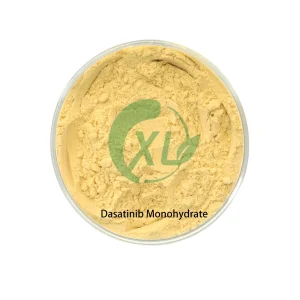
For pharmaceutical researchers and procurement managers at biotechnology firms, validating a contract manufacturing organization (CMO) or an active pharmaceutical ingredient (API) vendor requires deep scrutiny. Because molecules like Nintedanib, Lapatinib Ditosylate, and Dasatinib Monohydrate are central to advanced oncology and rare pulmonary/genetic indications, consistency across synthetic batches is non-negotiable. Purity variations of even 0.01% can drastically impact bioavailability and toxicological profiles, threatening the outcomes of years of R&D investments.
Unlike standard generics, orphan therapeutics require highly customizable batch manufacturing configurations. The capacity to adapt production lines from gram-scale clinical trial supplies to multi-kilogram commercial production is key to cost-effective scaling.
Sourcing partners must demonstrate strict compliance with international standards, providing comprehensive validation folders including HPLC, NMR, and LC-MS analytical profiles for all target compounds.
Access to professional registration consulting, DMF (Drug Master File) submissions, and CEP/CoS verification services minimizes regulatory risk during national and cross-border drug approval processes.
China has evolved into a global powerhouse for active pharmaceutical ingredients (APIs) and advanced chemical intermediates. When sourcing rare disease therapeutics and oncology precursors, leveraging China’s integrated chemical infrastructure offers critical advantages in scaling speed, chemical feedstock accessibility, and overall production economics.
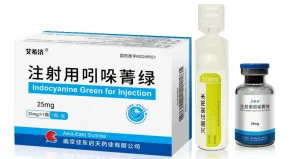
Regions like Zhejiang Province—specifically the chemical and biotech hub of Hangzhou—benefit from an incredibly dense ecosystem of scientific talent, specialized engineering teams, and collaborative clinical research organizations. For global procurers, this translates into shorter lead times from initial chemical synthesis to structural validation. Advanced raw materials like Indocyanine Green (a vital diagnostic dye used in ophthalmic surgery and oncology mapping) require complex synthesis routes that are highly cost-efficient when managed by localized, vertically integrated manufacturers.
Furthermore, modern Chinese manufacturers maintain strict compliance with global environmental policies and safety regulations. The consolidation of chemical manufacturing into modern industrial parks equipped with advanced wastewater treatment systems ensures that supply chains are robust, resilient, and immune to sudden regulatory closures. This stability is critical for developers of orphan drugs who cannot afford supply interruptions.
Developing a drug is only half the battle; navigating the regulatory environment of target markets is where many projects face delays. A premier therapeutics manufacturer must offer comprehensive localization services, tailored documentation, and dedicated regulatory guidance to help sponsors obtain national market authorizations.
For therapeutic agents targeting rare diseases and specialized indications, compliance requirements vary significantly by region:
An experienced supply partner like Hangzhou Jeci Biochem Technology Co., Ltd. plays a vital role by providing quality management system certification consulting, helping clients audit facilities, compile registration dossiers, and establish direct channels within the complex Chinese and international chemical markets.
Hangzhou Jeci Biochem Technology Co., Ltd. headquarters and R&D operations center.
The orphan drug industry is undergoing rapid transformations driven by technological innovations in biology and chemical engineering. Sourcing professionals must align with manufacturers that are actively investing in these future trends:
Targeted oncology therapies (such as those formulated with Lapatinib Ditosylate or Dasatinib Monohydrate) demand highly specialized containment facilities. Manufacturers must implement strict exposure limit controls to safely handle these high-potency chemical configurations.
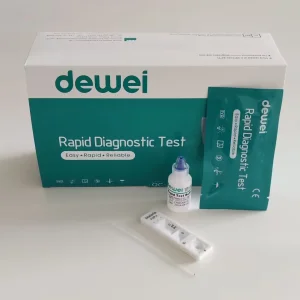
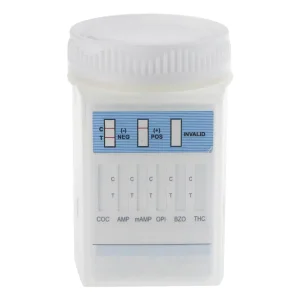
The development of targeted therapies goes hand-in-hand with companion diagnostics. Rapid diagnostic tools, such as the Malaria PF/PV Rapid Test Kit or urine-based drug assays, play an essential role in mapping patient biomarkers for clinical trial enrollment.
Global buyers are prioritizing suppliers that utilize enzymatic catalysis and bio-based synthesis pathways. Sustainable sourcing of raw intermediates reduces manufacturing footprints and complies with international corporate responsibility metrics.
Hangzhou Jeci Biochem Technology Co., Ltd. is strategically located in Hangzhou, Zhejiang Province. The company is committed to the sales of active pharmaceutical ingredients (APIs), pharmaceutical intermediates, nutritional products, and food additives. Jeci Biochem’s core operating model seamlessly integrates cooperative R&D, custom manufacturing, comprehensive global sales, technical services, and import operations.
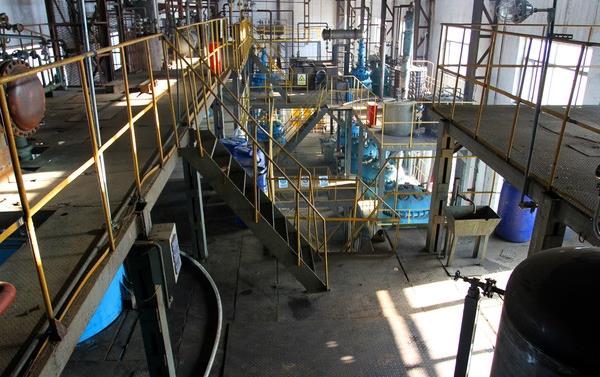
Advanced chemical applications, industrial raw materials, and high-purity pharmaceutical intermediates.
In China, Jeci Biochem has established a highly experienced and collaborative R&D team that works in deep integration with leading new drug research institutes and multiple custom processing facilities. By cultivating long-term relationships with domestic partners, the company provides:
On the international stage, Jeci Biochem has built stable, long-term trade relations with partners in India, Southeast Asia, South Korea, Japan, and other major pharmaceutical markets. The company provides complete lifecycle support, handling everything from market positioning and local distribution to product registration and commercial channel expansion for overseas partners entering the Chinese market.
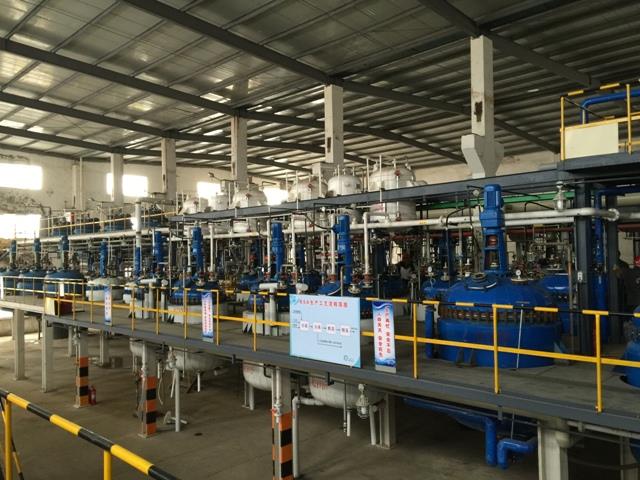
Scalable production requires robust hardware and process engineering. Hangzhou Jeci Biochem Technology Co., Ltd. is fully equipped to assemble and manufacture large-volume chemical intermediates while offering convenient, state-of-the-art custom manufacturing capabilities, including advanced batch processing and molecule customization.
For the company’s main product lines and intermediates, Jeci Biochem maximizes its supply chain and technical advantages, meeting the strict criteria of global buyers and completing complex synthesis projects within demanding timelines. Whether you require standard bulk intermediates or custom-synthesized chemical compounds, Jeci Biochem's production lines are built to deliver high purity and consistent performance.
Our specialized drugs, chemical raw materials, and intermediates are widely applied in several critical sectors:
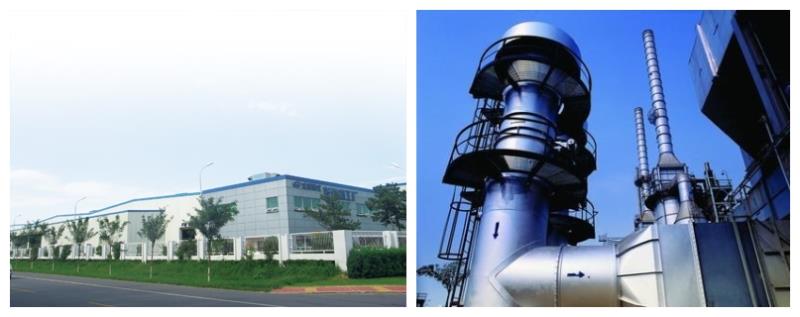
Advanced batch processing reactors and industrial manufacturing infrastructure.
Get answers to key chemical sourcing, regulatory compliance, and supply chain management questions from Jeci Biochem’s technical experts.
When validating a supplier, focus on three pillars: analytical verification, quality systems, and supply stability. Ensure the supplier provides comprehensive batch release documents, including HPLC, NMR, and LC-MS analyses. Verify their familiarity with international GMP guidelines and determine if they can scale production smoothly from early clinical phases to commercialization without changes to the synthesis pathway.
Jeci Biochem offers professional consulting services for quality management systems and product registrations. For global pharmaceutical developers, we assist in compiling and filing Drug Master Files (DMFs) and CEP/CoS documentation. For overseas companies looking to enter the Chinese market, we provide local regulatory navigation, channel development, and product registration support.
China's chemical ecosystem provides reliable access to basic raw materials, reducing the risk of supply chain disruptions. Integrated production hubs, such as those in Zhejiang Province, lower synthesis costs while maintaining high-purity standards. Advanced testing laboratories and research institutes facilitate rapid optimization of complex synthesis routes.
Yes. Our collaborative R&D team and manufacturing network are structured to support both small-scale custom synthesis projects and large-volume intermediate production. This flexibility allows developers to source consistent materials from early discovery through to clinical trials and final commercial packaging.
Indocyanine Green (ICG) is a specialized diagnostic dye that binds to blood plasma proteins. When exposed to near-infrared light, it fluoresces, allowing surgeons to visualize vascular structures, trace lymphatic drainage, and locate tumors in real time. Because it is administered intravenously, maintaining high chemical purity and sterile manufacturing is critical to avoid adverse reactions.
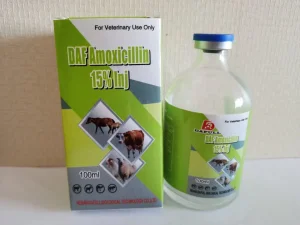
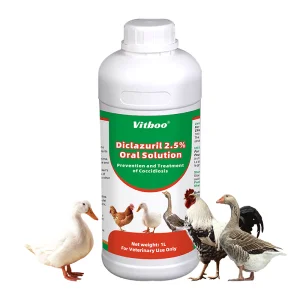
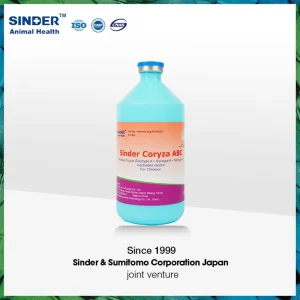
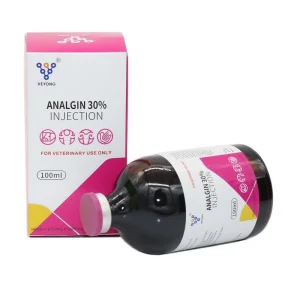
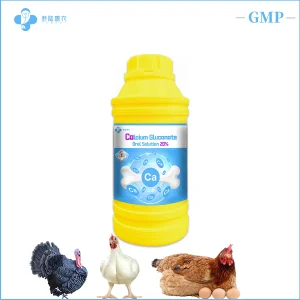
Our veterinary product lines, including the Infectious Coryza Killed Vaccine and Amoxicillin formulations, are subject to the same quality control standards as human therapeutics. We run raw materials through strict potency tests and batch verification processes, ensuring safety and efficacy for agricultural and companion animal applications.
Lead times vary depending on the complexity of the synthesis route and the volume required. For standard advanced intermediates, we can quickly ship from stock. For custom projects, the timeframe covers route verification, laboratory synthesis, quality control, and regulatory packaging. We work to optimize these stages to meet client timelines.
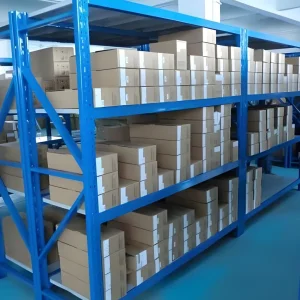
We work with international logistics partners specializing in temperature-controlled pharmaceutical transport. From warehouse storage to final delivery, shipments are monitored to ensure temperature stability, protecting the efficacy of biological vaccines and active proteins.
Targeted oncology APIs, clinical screening systems, and high-potency veterinary therapeutics
 SJ medical