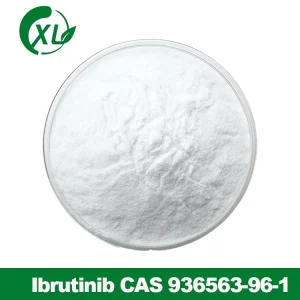
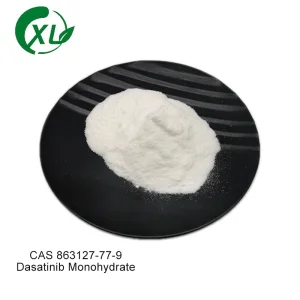
Mexico City (CDMX) stands as the beating heart of Latin America's pharmaceutical industry. As a primary hub for healthcare innovation, the demand for high-quality Anticancer Drugs and Active Pharmaceutical Ingredients (APIs) has surged significantly. Factories and suppliers in Mexico City are increasingly looking for global partnerships to provide advanced oncology treatments to a growing population. The metropolitan area is home to world-class medical institutions like the National Institute of Cancerology (INCAN), which drives the local need for cutting-edge targeted therapies such as Cabozantinib, Ibrutinib, and Dasatinib.
Supplying the Mexico City market requires more than just logistics; it demands a deep understanding of the COFEPRIS regulatory framework and a commitment to high-purity chemical intermediates. Suppliers today are not merely vendors; they are strategic partners in a complex supply chain that links R&D labs in Asia to clinical applications in Mexico's top-tier hospitals. The integration of AI-driven drug synthesis and advanced manufacturing protocols has allowed suppliers to meet the rigorous standards required for anticancer medications, ensuring that patients receive potent and reliable treatments.
Annual Growth in Oncology Sector (Mexico)
Purity Standard for APIs
Global Strategic Partnerships
The "Pharma Corridor" surrounding Mexico City and the State of Mexico is a dense network of manufacturing plants, logistics centers, and research laboratories. Suppliers of Anticancer Drug Intermediates benefit from Mexico's strategic position under the USMCA trade agreement, making it a pivotal bridge between North American standards and Latin American distribution. The industrial status of this region is characterized by a transition from traditional generic manufacturing to the production of complex, high-value specialty drugs.
Modern factories in the vicinity of Mexico City are adopting Industry 4.0 technologies. This includes automated batch processing for oncology powders and real-time quality monitoring systems. For suppliers, providing materials like Axitinib or Crizotinib involves navigating a sophisticated industrial landscape where cost-efficiency must meet absolute clinical safety. The local industry is also seeing a rise in "Medical Tourism" within CDMX, further pushing clinics to seek the latest anticancer developments from global pharmaceutical powerhouses.
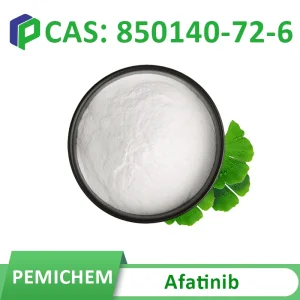
In the urban centers of Mexico City, environmental factors have led to a specific focus on lung cancer treatments. High-purity Afatinib and Gefitinib are increasingly sought after by local pharmaceutical formulators to create accessible treatments for patients in the Valle de México region.
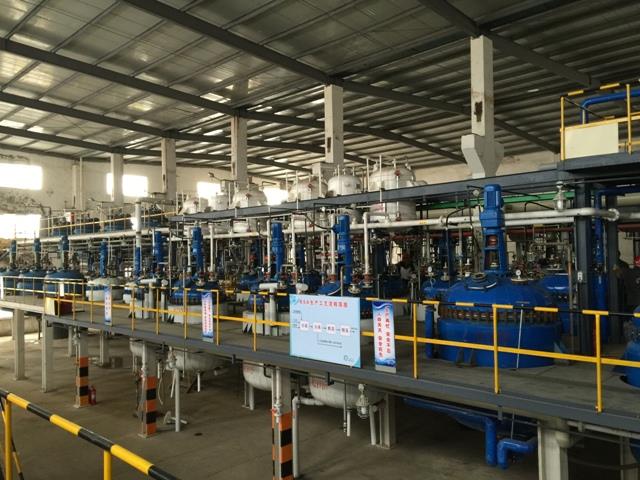
In China, we have a strong collaborative R&D team, working in depth with new drug research institutes and multiple custom processing plants. We have very good domestic sales channels and have long-term relationships with domestic companies, including product applications, technology transfer, product supply, custom processing, and exclusive agents for multiple products in multiple regions. In addition, we also provide factory quality management system certification consulting services.
Internationally, we have long-term trade relations with India, Southeast Asia, South Korea, Japan and other markets, and provides products in the whole process of market and sales services. At the same time, we also provide product registration, consulting and sales channel expansion services for overseas companies in the Chinese market.
The future of cancer treatment in Mexico City is shifting toward Precision Medicine. This transition creates a massive opportunity for suppliers of highly specific kinase inhibitors. Trends indicate a move away from broad-spectrum chemotherapy toward targeted agents that minimize side effects. Suppliers who can offer high-purity Ibrutinib and Trametinib are at the forefront of this evolution.
Furthermore, the Biosimilars Market in Mexico is poised for explosive growth. With government initiatives aiming to reduce the cost of healthcare, there is a significant push to source raw materials that can be formulated into high-quality, lower-cost alternatives to brand-name oncology drugs. Factories that can demonstrate consistent quality control and documented supply chains are finding themselves in high demand by Mexico City's pharmaceutical conglomerates.
Adapting chemical synthesis to meet specific Mexican regulatory requirements for API stability.
Ensuring steady delivery of anticancer intermediates despite global logistical fluctuations.
Partnering with Mexico City-based laboratories for clinical trial phase material support.
Providing full documentation for COFEPRIS and international safety standards.
Drugs and intermediates are widely used in the following aspects (partial):
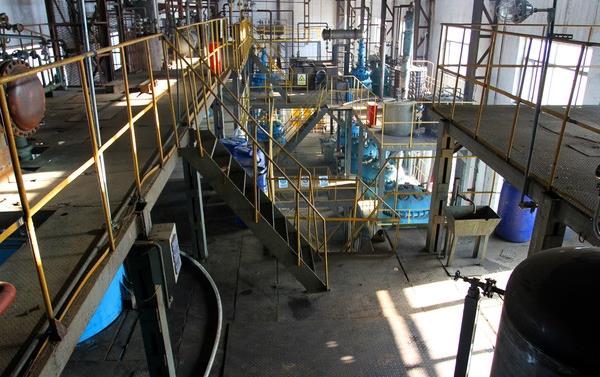
We are able to assemble and produce larger quantities of intermediates and provide some advanced, convenient manufacturing capabilities, including batch processing and customization. For the company's main product intermediates: We can maximize our advantages, meet the requirements of most customers and complete the task within the specified time limit.
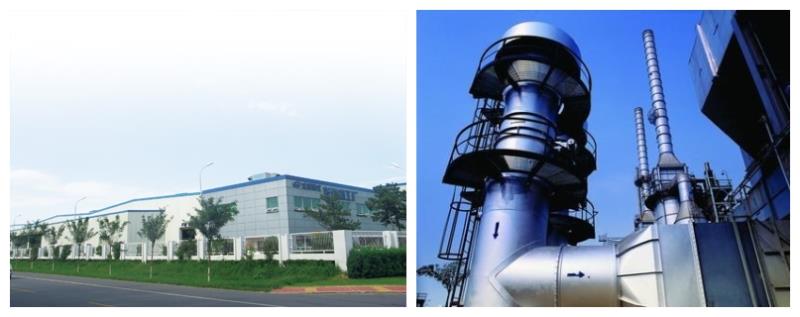
Whether you are a pharmaceutical manufacturer in the heart of Mexico City or a research institution looking for high-purity oncological intermediates, our supply chain is designed to meet your most demanding requirements. From CAS 319460-85-0 (Axitinib) to CAS 1009119-64-5 (Daclatasvir), we provide the chemical backbone for the next generation of cancer treatments.
 SJ medical