As the economic engine of East Africa, Kenya is undergoing a significant transformation in its healthcare infrastructure. The Kenyan Ministry of Health has prioritized the management of non-communicable diseases (NCDs), with cancer being a major focus. The demand for Anticancer Drugs in Kenya has surged as the country enhances its diagnostic capabilities in major cities like Nairobi, Mombasa, and Kisumu.
Historically, Kenya has relied heavily on imported finished pharmaceutical products (FPPs). However, the current industrial trend is shifting toward "Value Addition" and local formulation. As a premier Anticancer Drugs Factory and Exporter, we recognize the strategic importance of providing high-purity Active Pharmaceutical Ingredients (APIs) and intermediates to Kenyan pharmaceutical manufacturers. By sourcing raw materials like Tacrolimus and Cabozantinib directly from advanced manufacturing hubs, Kenyan distributors can significantly lower the cost of treatment for local patients.
The global pharmaceutical industry is moving toward Targeted Therapy and Precision Medicine. In the context of Kenya, this means a shift from traditional chemotherapy to kinase inhibitors like Ibrutinib, Dasatinib, and Afatinib. These drugs require sophisticated chemical synthesis and strict quality control protocols (GMP standards).
Our factory employs AI-driven molecular modeling and automated batch processing to ensure that every gram of product exported to the Kenyan market meets international pharmacopeia standards (USP/BP/EP). The industrial status in Kenya is currently being bolstered by the African Continental Free Trade Area (AfCFTA), which encourages the establishment of regional supply chains. By partnering with us, Kenyan pharmaceutical companies can leverage our R&D expertise to produce affordable generics that are vital for the Universal Health Coverage (UHC) program.
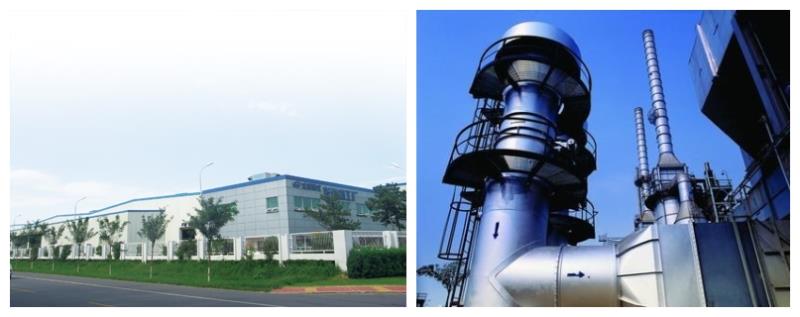
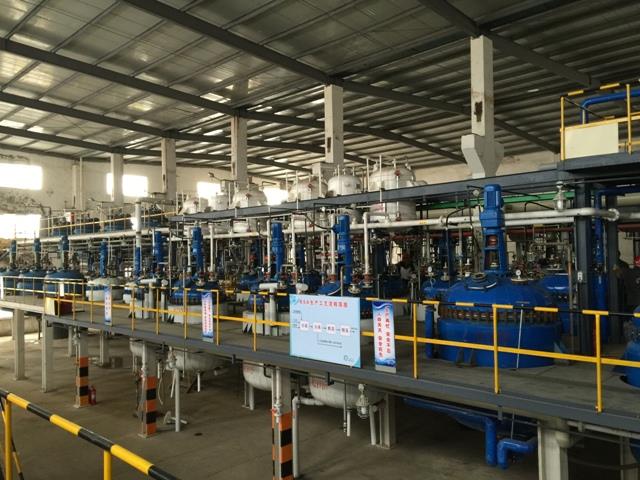
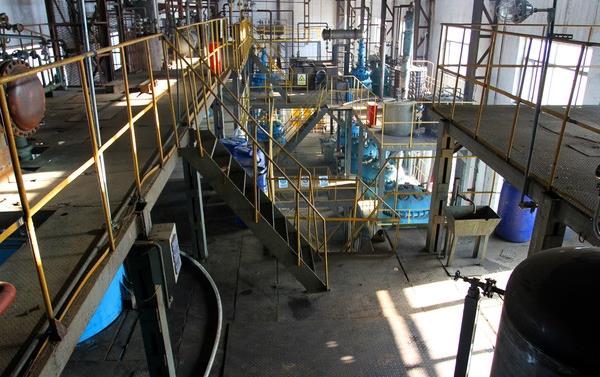
Production Application in the Kenyan Context:
We provide custom manufacturing services tailored to the specific regulatory requirements of the Pharmacy and Poisons Board (PPB) of Kenya, ensuring seamless registration and market entry for new oncology products.
In Kenya, the application of anticancer drugs is divided between the public sector (managed by KEMSA) and a growing private healthcare sector including world-class institutions like the Aga Khan University Hospital.
1. Public Health Tenders: Our factory provides bulk APIs for manufacturers bidding for government tenders, ensuring that essential medicines like Paclitaxel and Gemcitabine are available in county-level hospitals across Kenya.
2. Research & Clinical Trials: Kenya is becoming a hub for clinical trials in Sub-Saharan Africa. We supply high-grade Ceritinib and Ponatinib for research purposes in academic collaborations within the East African Community.
3. Supply Chain Security: With our robust logistics network, we address the challenge of "stock-outs" in Kenyan pharmacies by providing a steady stream of raw materials, reducing dependency on volatile spot markets.
The pharmaceutical landscape in Kenya is at a crossroads. With a growing middle class and improved medical insurance (NHIF), more Kenyans are seeking advanced treatments. This has led to an increased interest in small molecule inhibitors.
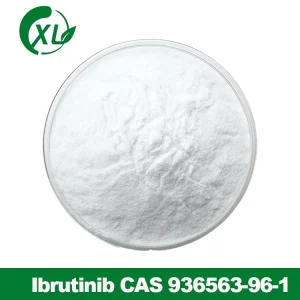
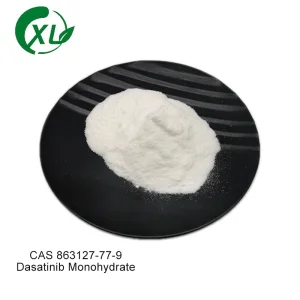
For instance, Ibrutinib (CAS 936563-96-1) has revolutionized the treatment of B-cell malignancies. By supplying high-purity Ibrutinib powder, our factory enables the local production of tablets that are more affordable than the imported branded counterparts. Similarly, Dasatinib Monohydrate is critical for patients with Chronic Myeloid Leukemia (CML). In Kenya, where specialized care is centralized, the availability of these APIs allows for the decentralization of cancer treatment, making it accessible even in remote regions.
The future of the Anticancer Drugs industry in Kenya involves the integration of AI in supply chain management. Predictive analytics are being used to anticipate disease outbreaks and demand spikes, allowing exporters like Hangzhou Jeci Biochem to prepare shipments in advance, ensuring that the port of Mombasa remains a gateway for life-saving medicine rather than a bottleneck.
Our commitment as an Anticancer Drugs Exporter in Kenya goes beyond simple transactions. We provide technical dossiers (DMF), stability data, and rigorous purity testing results for every batch. Whether you are looking for Axitinib (CAS 319460-85-0) for renal cell carcinoma or Daclatasvir for complex combination therapies, our portfolio is designed to meet the growing clinical needs of the Kenyan population.
The Kenyan pharmaceutical industry is on the verge of a manufacturing renaissance. With the support of reliable API factories and exporters, local companies can transition from being mere importers to becoming regional manufacturers for the entire East African Community (EAC).
Hangzhou Jeci Biochem Technology Co., Ltd. stands ready to be the bridge between cutting-edge pharmaceutical science and Kenyan healthcare providers. By ensuring the availability of high-quality Anticancer Drugs, we help improve the prognosis for thousands of patients. Our focus on quality, cost-effectiveness, and technological innovation aligns perfectly with Kenya's Vision 2030 and the goal of achieving health equity.
For distributors in Nairobi, Mombasa, or international organizations operating in Kenya, now is the time to secure your supply chain with a partner who understands both the science and the local market dynamics. Explore our product range, from Cabozantinib to Velpatasvir, and join us in driving the future of oncology in Africa.
 SJ medical