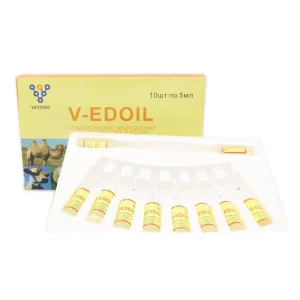
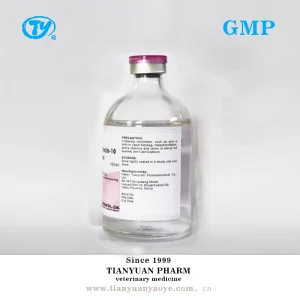
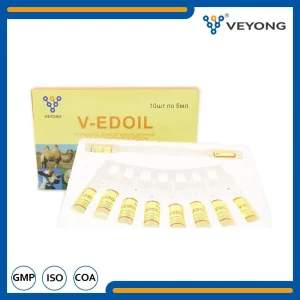
High-purity hormone treatments optimized for Ethiopian livestock and aquaculture sectors.
Ethiopia, located in the Horn of Africa, is undergoing a profound industrial transformation. As the second-most populous nation in Africa, the demand for sophisticated pharmaceutical solutions, particularly Hormone Drugs, has skyrocketed. The Ethiopian government, through the Ministry of Industry and the Ethiopian Food and Drug Authority (EFDA), has prioritized the local manufacturing of medicines to reduce dependency on imports, which currently account for nearly 80% of the market.
The establishment of the Kilinto Industrial Park (KIP) in Addis Ababa serves as a dedicated hub for pharmaceutical manufacturers. This initiative has attracted global players and R&D-focused companies like Hangzhou Jeci Biochem Technology Co., Ltd. to explore collaborative manufacturing opportunities. The goal is to produce high-quality hormonal API (Active Pharmaceutical Ingredients) and finished dosage forms locally.
For manufacturers and factories, Ethiopia offers a unique set of advantages: a rapidly growing economy, favorable investment policies, and a strategic location as a gateway to the East African Community (EAC) and the Common Market for Eastern and Southern Africa (COMESA). Hormone drugs, which are critical for both human healthcare and the vast veterinary sector, represent a high-value niche within this burgeoning industrial framework.
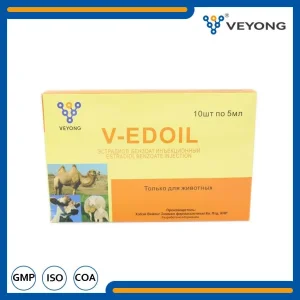
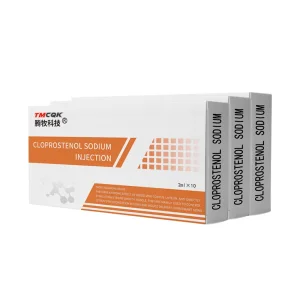
Ethiopia holds the largest livestock population in Africa, with over 60 million cattle, 30 million sheep, and 30 million goats. However, productivity per animal remains low. This is where Veterinary Hormone Drugs play a revolutionary role. Manufacturers are focusing on reproductive hormones such as Estradiol Benzoate, Oxytocin, and Cloprostenol Sodium to synchronize estrus, treat retained placentas, and enhance milk let-down in dairy cows.
Cattle Population
GDP Contribution
In Africa (Livestock)
In the Ethiopian highlands, where dairy farming is intensive, hormones like Cloprostenol Sodium are essential for Artificial Insemination programs. By synchronizing the heat cycles of indigenous breeds like the Boran or Horro with high-yielding Holstein-Friesian genetics, Ethiopian farmers can significantly increase milk yield and reproductive efficiency. Factories are now customizing concentrations to suit the specific metabolic rates of local breeds.
In China, we have a strong collaborative R&D team, working in depth with new drug research institutes and multiple custom processing plants. We have very good domestic sales channels and have long-term relationships with domestic companies, including product applications, technology transfer, product supply, custom processing, and exclusive agents for multiple products in multiple regions. In addition, we also provide factory quality management system certification consulting services.
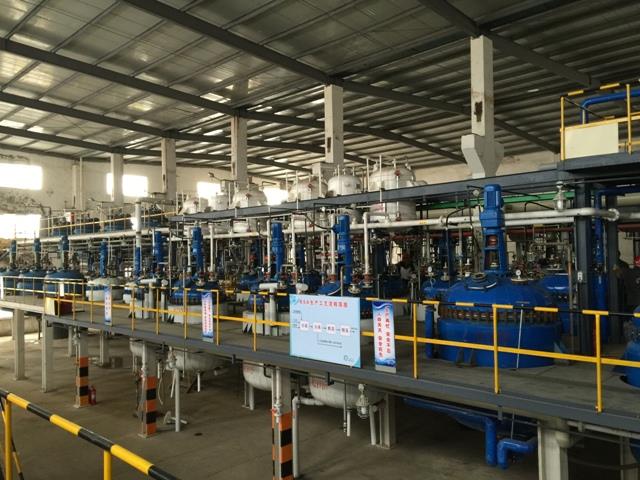
Internationally, we have long-term trade relations with India, Southeast Asia, South Korea, Japan and other markets. For the Ethiopian market, we provide a bridge between advanced biochemical manufacturing and local pharmaceutical needs, offering product registration support and sales channel expansion for hormonal and veterinary intermediates.
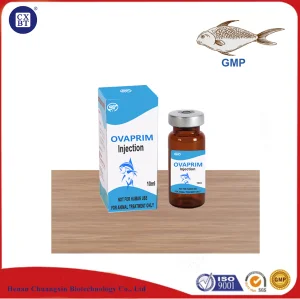
With the completion of the Grand Ethiopian Renaissance Dam (GERD) and the development of large-scale irrigation projects, Ethiopia is pivoting towards intensive aquaculture. The demand for spawning-promoting drugs for Tilapia and Catfish has grown exponentially. Hormone drugs that regulate fish reproduction are becoming a vital commodity for Ethiopian hatchery owners.
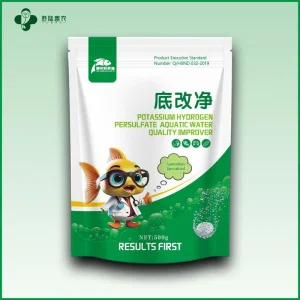
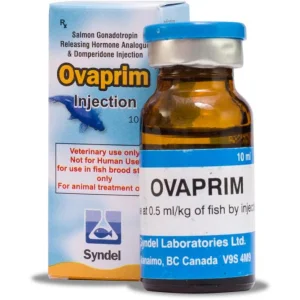
The use of Salmon Spawning Promoting Drugs and water quality improvers like Potassium Persulfate tablets ensures that Ethiopian fish farms can maintain high survival rates and rapid growth cycles. This technological shift is part of the "Ten-Year Development Plan" to ensure food security and export high-quality processed fish products.
Modern factories are now integrating AI-driven monitoring systems to ensure the stability of hormone injections. Hormones are highly sensitive to temperature and light; thus, the "Cold Chain" logistics in Ethiopia are being upgraded with IoT sensors to ensure that from the factory in Hangzhou to the farm in Bahir Dar, the potency of Oxytocin or Estradiol remains uncompromised.
Our hormones and intermediates are essential for:
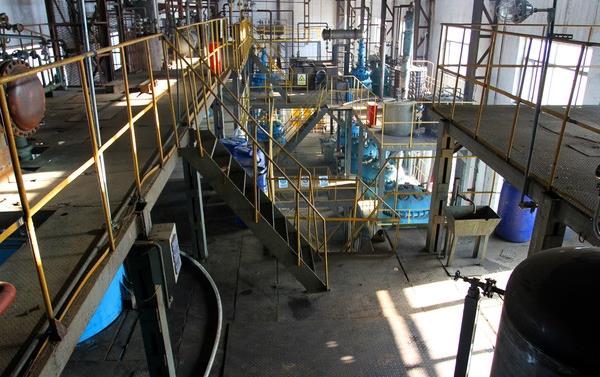
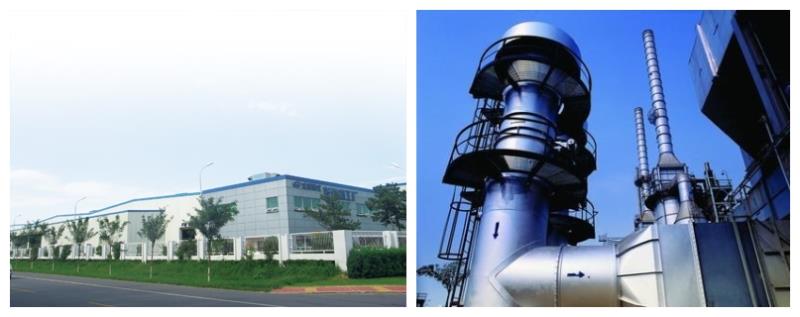
We are able to assemble and produce larger quantities of intermediates and provide some advanced, convenient manufacturing capabilities, including batch processing and customization. For the company's main product intermediates: We can maximize our advantages, meet the requirements of most customers and complete the task within the specified time limit.
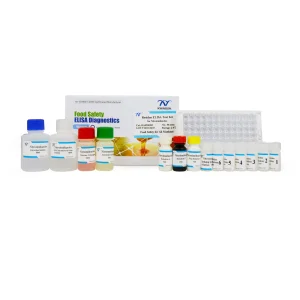
As Ethiopia expands its meat exports to the Middle East and Europe, international food safety standards (such as those set by the WHO and FAO) become mandatory. The presence of hormone residues in beef or mutton can lead to export bans. Therefore, Hormone Drug Residue ELISA Test Kits are becoming standard equipment in Ethiopian municipal slaughterhouses and private laboratories.
Our specialized kits for β-Agonists residue allow Ethiopian exporters to certify that their meat is free from illegal growth stimulants, ensuring a competitive edge in the global premium meat market. This commitment to safety mirrors the "One Health" approach promoted by Ethiopian health authorities.
Factory-direct supply for Ethiopian pharmaceutical and veterinary distributors.
As we look toward 2030, Ethiopia's role as a regional manufacturing powerhouse for pharmaceutical hormones is certain. By combining international R&D excellence from partners like Hangzhou Jeci Biochem with local insights into Ethiopian agricultural needs, the industry is poised for unprecedented growth. Whether it is improving the fertility of the national cattle herd or ensuring the safety of meat exports through advanced ELISA testing, hormone drugs remain at the heart of Ethiopia's economic and nutritional future.
Factories focused on these products are not just manufacturing chemicals; they are building the foundations of food security and industrial sovereignty in East Africa. For investors and distributors looking to penetrate the Ethiopian market, the focus must remain on quality, regulatory compliance with the EFDA, and the provision of high-stability formulations that can withstand the diverse climates of the Ethiopian plateau.
 SJ medical