The biotechnology sector in the Philippines has witnessed a transformative shift over the last decade. As the country moves toward Universal Health Care, the demand for sophisticated therapeutic options like Monoclonal Antibodies (mAbs) has skyrocketed. These laboratory-produced molecules, designed to restore, enhance, or mimic the immune system's attack on cells, are now at the forefront of the Philippine medical revolution.
Historically, the Philippines relied heavily on imported biopharmaceuticals. However, recent initiatives by the Department of Science and Technology (DOST) and the Philippine Council for Health Research and Development (PCHRD) have paved the way for local "fill-and-finish" facilities and research-driven partnerships. Major industrial zones in Laguna, Cavite, and Batangas are evolving into biotech corridors where cold-chain logistics and advanced sterile manufacturing are becoming standard.
mAbs are essential in treating oncology patients in Manila and Cebu, targeting specific cancer antigens while minimizing damage to healthy cells.
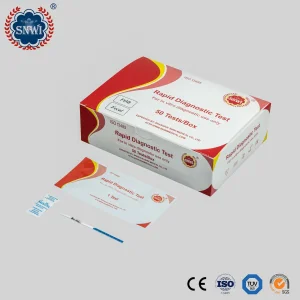
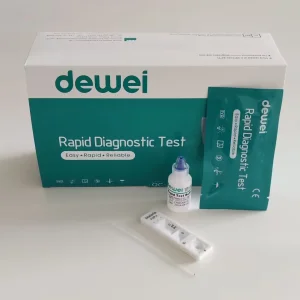
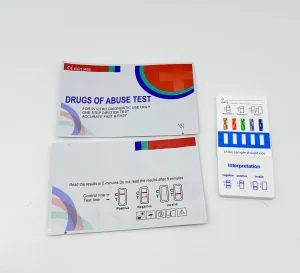
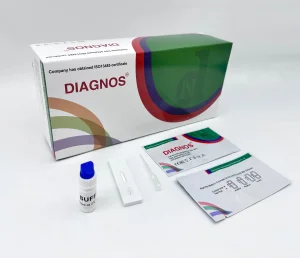
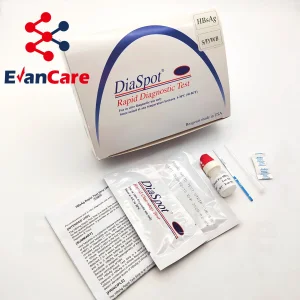
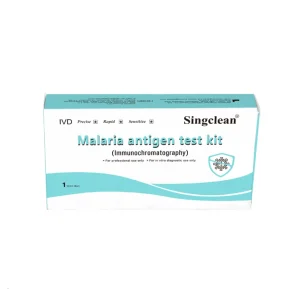
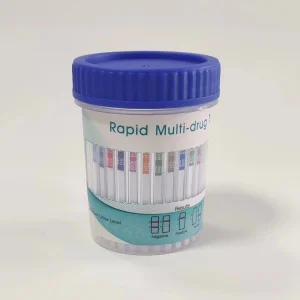
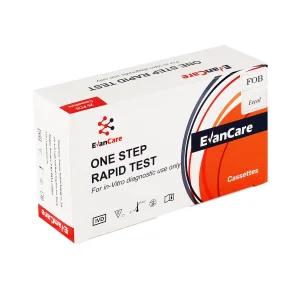
From Dengue to COVID-19, monoclonal antibodies are the bedrock of rapid diagnostic kits used in remote Philippine barangays.
The rise of biosimilar monoclonal antibodies is making life-saving treatments more affordable for the average Filipino family.
As a strategic exporter, the Philippines is leveraging its proximity to major Asian markets. Monoclonal Antibodies Factories & Exporters in Philippines are focusing on niche markets, such as infectious disease diagnostics and personalized immunotherapy. The Philippine FDA has streamlined registration processes for biologics, encouraging international manufacturers like Hangzhou Jeci Biochem Technology Co., Ltd. to collaborate with local distributors to ensure a steady supply of high-quality intermediates and APIs.
Hangzhou Jeci Biochem Technology Co., Ltd. is located in Hangzhou, Zhejiang Province. We are committed to sales of active pharmaceutical ingredients, pharmaceutical intermediates, nutritional products and food additives, cooperative R & D, custom manufacturing, sales and service as well as import of these kinds of materials.
In China, we have a strong collaborative R&D team, working in depth with new drug research institutes and multiple custom processing plants. We have very good domestic sales channels and have long-term relationships with domestic companies, including product applications, technology transfer, product supply, custom processing, and exclusive agents for multiple products in multiple regions. In addition, we also provide factory quality management system certification consulting services.
Internationally, we have long-term trade relations with India, Southeast Asia (specifically the Philippines), South Korea, Japan and other markets, and provides products in the whole process of market and sales services. At the same time, we also provide product registration, consulting and sales channel expansion services for overseas companies in the Chinese market.
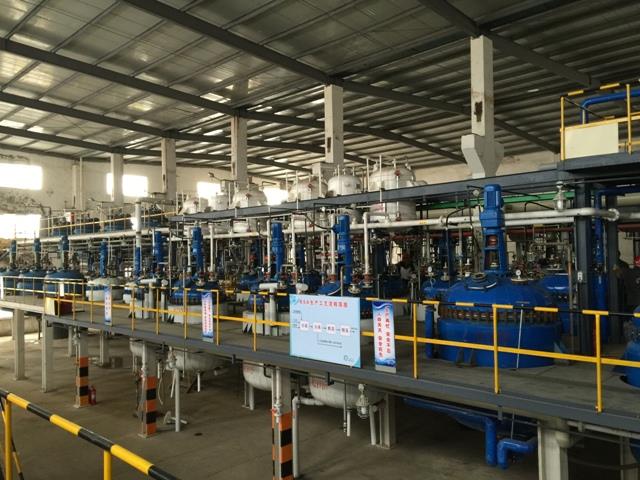
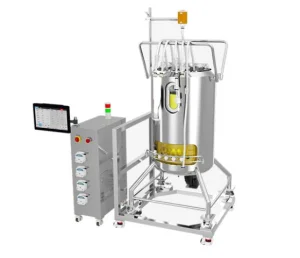
The Philippines, being an agrarian economy, utilizes monoclonal antibodies for the rapid detection of livestock diseases like African Swine Fever (ASF). Local exporters are increasingly looking for bioreactor solutions to produce these antibodies locally, reducing the cost of veterinary diagnostics.
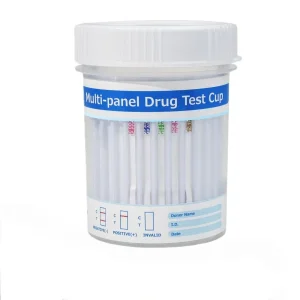
In the bustling cities of Manila, Quezon City, and Davao, monoclonal antibody-based rapid tests are vital for large-scale screenings. Our range of diagnostic kits, from Typhoid to Malaria, provides the accuracy needed for the Philippine healthcare system's front liners.
The Philippines is becoming a preferred destination for clinical trials. By providing high-quality pharmaceutical intermediates and custom manufacturing services, we support the local academic and private research sectors in developing treatments tailored to the genetic profile of the Filipino population.
Drugs and intermediates are widely used in the following aspects (partial):
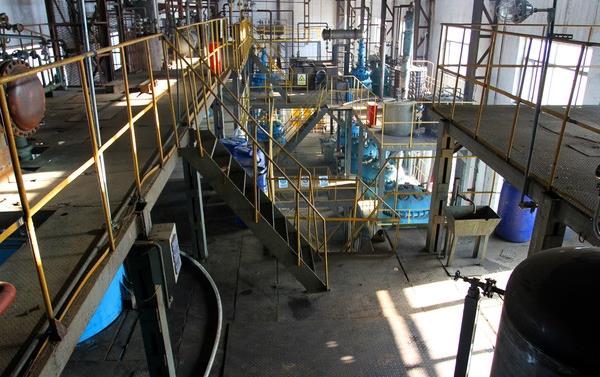
We are able to assemble and produce larger quantities of intermediates and provide some advanced, convenient manufacturing capabilities, including batch processing and customization. For the company's main product intermediates: We can maximize our advantages, meet the requirements of most customers and complete the task within the specified time limit.
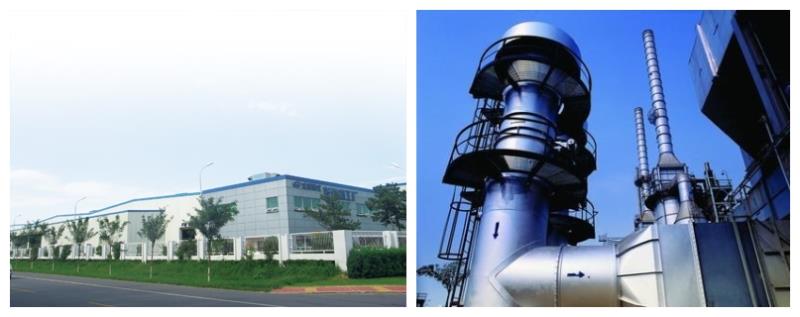
As we look toward 2030, the Philippines is poised to become a significant player in the ASEAN biotech landscape. Key trends include:
By choosing a supplier that understands the complexities of the Monoclonal Antibodies Factories & Exporters in Philippines ecosystem, businesses can ensure they stay ahead of the curve in this rapidly evolving market.
 SJ medical