The Czech Republic has established itself as a cornerstone of the European biopharmaceutical sector, boasting a rich heritage in immunology and microbiology that dates back over a century. Today, the landscape of Vaccine Products Manufacturers & Factories in the Czech Republic is defined by a sophisticated blend of historical expertise and cutting-edge digital manufacturing technologies. With major hubs in Prague and Brno, the country serves as a vital artery for the European Union's vaccine supply chain, particularly in the realms of specialized veterinary medicine and high-tech human immunological products.
Historically, the Czech biological industry gained international recognition through institutes like the Institute of Molecular Genetics and various state-led initiatives that transitioned into high-efficiency private enterprises. This transition has fostered a robust ecosystem where academic research and commercial production coexist seamlessly. Manufacturers in the region are currently navigating a significant shift towards "Biotech 4.0," integrating artificial intelligence and automated bioreactor systems to ensure maximum yield and purity in every batch of vaccine produced.
One of the most prominent trends in the Czech vaccine manufacturing sector is the adoption of mRNA technology and viral vector platforms. While traditional inactivated and live-attenuated vaccines—such as those used extensively in the local poultry and livestock sectors—remain a production staple, the focus is rapidly expanding. Companies are investing heavily in modular production units that allow for rapid scaling, a lesson learned from global supply chain disruptions. This flexibility makes Czech factories highly attractive partners for international pharmaceutical firms seeking reliable Contract Development and Manufacturing Organization (CDMO) services.
Furthermore, the Czech Republic’s central location provides a logistical advantage. Within 24 hours, products manufactured in local facilities can reach almost any part of the European continent, maintaining the strict cold-chain requirements essential for vaccine efficacy. The integration of IoT-enabled cold chain monitoring is now standard across Czech factories, ensuring that every vial—from Newcastle Disease vaccines to complex bovine treatments—reaches its destination in optimal condition.
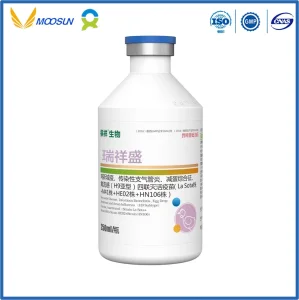
In the vast agricultural regions of South Moravia and Central Bohemia, poultry health is paramount. Czech-made vaccines for Newcastle Disease and Avian Influenza are critical in preventing outbreaks that could devastate the local agricultural economy.
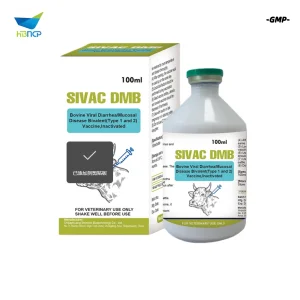
Cattle farming in the Czech Republic relies on high-quality GMP-certified vaccines for Viral Diarrhea and Pasteurella. Local manufacturers provide tailored solutions that account for regional pathogen strains.
Products manufactured in Czech factories are not just for local use. They are exported to Southeast Asia, India, and across Europe, meeting the highest international standards of safety and efficacy.
Hangzhou Jeci Biochem Technology Co., Ltd. plays a pivotal role in the global supply chain, bridging the gap between advanced manufacturing in China and the burgeoning biotech markets in the Czech Republic and beyond. We are committed to the sales of active pharmaceutical ingredients (APIs), pharmaceutical intermediates, and nutritional products that are essential for the production of modern vaccine lines.
Our collaborative R&D team works in depth with new drug research institutes to provide custom manufacturing and technology transfer services. This synergy allows us to offer exclusive agents for multiple products, ensuring that manufacturers in the Czech Republic have access to the high-purity raw materials required for top-tier vaccine production.
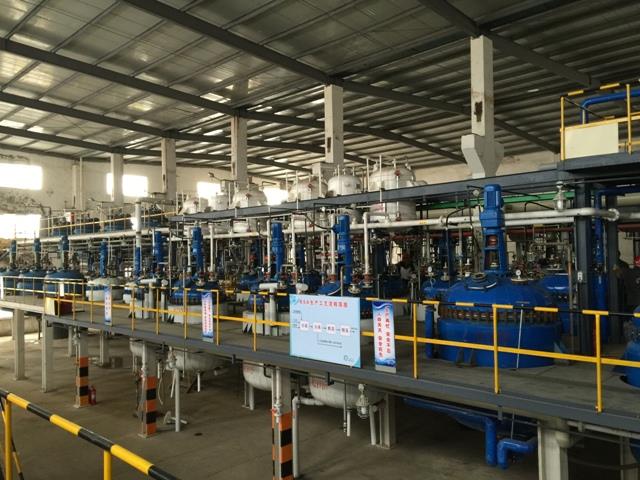
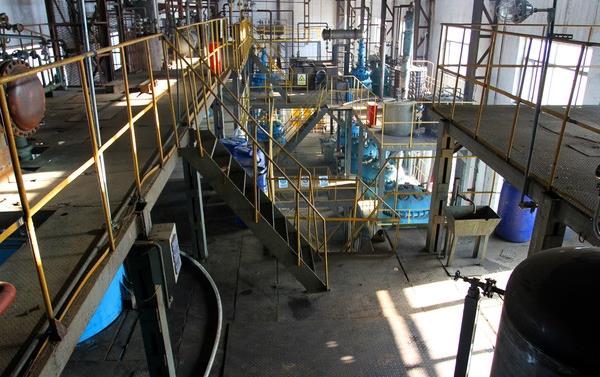
In the Czech industrial landscape, drugs and intermediates are widely utilized across multiple sectors. Our advanced manufacturing capabilities support:
We are able to assemble and produce larger quantities of intermediates, providing batch processing and customization that meets the stringent requirements of the Czech Republic's regulatory bodies.

As we look toward the 2030 horizon, the Czech vaccine industry is pivoting towards "Precision Immunology." This involves the development of personalized vaccines for livestock, where the product is tailored to the specific viral strains found on a particular farm. Such innovations require highly flexible manufacturing lines and rapid diagnostic integration—areas where Czech factories are currently leading Central Europe.
The concept of "Digital Twins" in vaccine manufacturing is also gaining traction. By creating virtual models of the fermentation and purification processes, Czech engineers can predict potential bottlenecks and optimize vaccine yields before the actual production begins. This reduces waste and ensures that high-demand products, like the Avian Influenza H5 vaccine or Bovine Viral Diarrhea treatments, are produced as efficiently as possible.
Furthermore, the regulatory environment in the Czech Republic, governed by SÚKL (State Institute for Drug Control) and aligned with the EMA (European Medicines Agency), provides a gold standard of safety. This regulatory rigor is why many global players choose the Czech Republic as their gateway to the European market. Our company supports this ecosystem by providing the critical chemical building blocks and quality management consulting necessary to maintain these high standards.
 SJ medical