 SJ medical

Comprehensive Guide to Probiotic Drug Sourcing for Guinea Market
The global shift towards microbial ecology in pharmaceuticals and agriculture is creating a "bio-revolution" in Guinea. As a leading manufacturer serving the Conakry region, we understand that "one size fits all" does not work in bio-manufacturing. This whitepaper-level analysis explores the multifaceted benefits of probiotics in local industrial applications.
1. The Microbial Frontier in West African Poultry
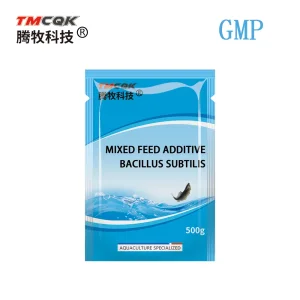
Poultry farming in Guinea faces significant pressure from heat stress and pathogenic outbreaks. Conventional antibiotics often lead to resistant strains, making future treatments ineffective. Our Bacillus subtilis formulations provide a "living barrier" in the gut of the bird. By producing antimicrobial lipopeptides and competing for binding sites, these probiotics significantly reduce the need for medicinal intervention, resulting in healthier, faster-growing birds for the Guinea market.
2. Restoring Guinea's Aquatic Ecosystems
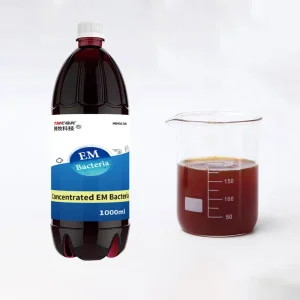
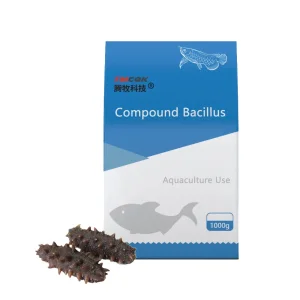
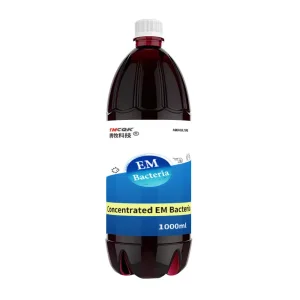
With Guinea's focus on food security, aquaculture is expanding rapidly. However, nitrogen and phosphorus accumulation in ponds can lead to toxic blooms. Our EM Bacteria (Effective Microorganisms) and Nitrifying Bacteria are engineered to work synergistically. They actively convert ammonia into harmless nitrates and decompose sludge at the bottom of ponds, ensuring a clear and healthy environment for fish and shrimp without the use of harsh chemicals.
3. The R&D Advantage: Stability and Potency
One of the key SEO "Information Gains" we provide is our unique stabilization process. Probiotics are living organisms; their efficacy depends on their viability at the point of consumption. In Guinea's supply chain, where cold storage can be inconsistent, our freeze-drying and micro-encapsulation technologies ensure that our probiotics remain viable for up to 24 months. This reliability is why major Guinea-based agricultural suppliers choose Hangzhou Jeci Biochem.
4. Procurement Trends & ESG Compliance
Modern procurement directors in Guinea are increasingly looking at ESG (Environmental, Social, and Governance) factors. Probiotics are inherently sustainable. They reduce the chemical runoff into Guinea's pristine water systems and promote soil health when used in manure-based fertilizers. By sourcing from a GMP-certified Chinese manufacturer, Guinea enterprises can demonstrate their commitment to global quality and environmental standards.