SJ medical

1 / 5
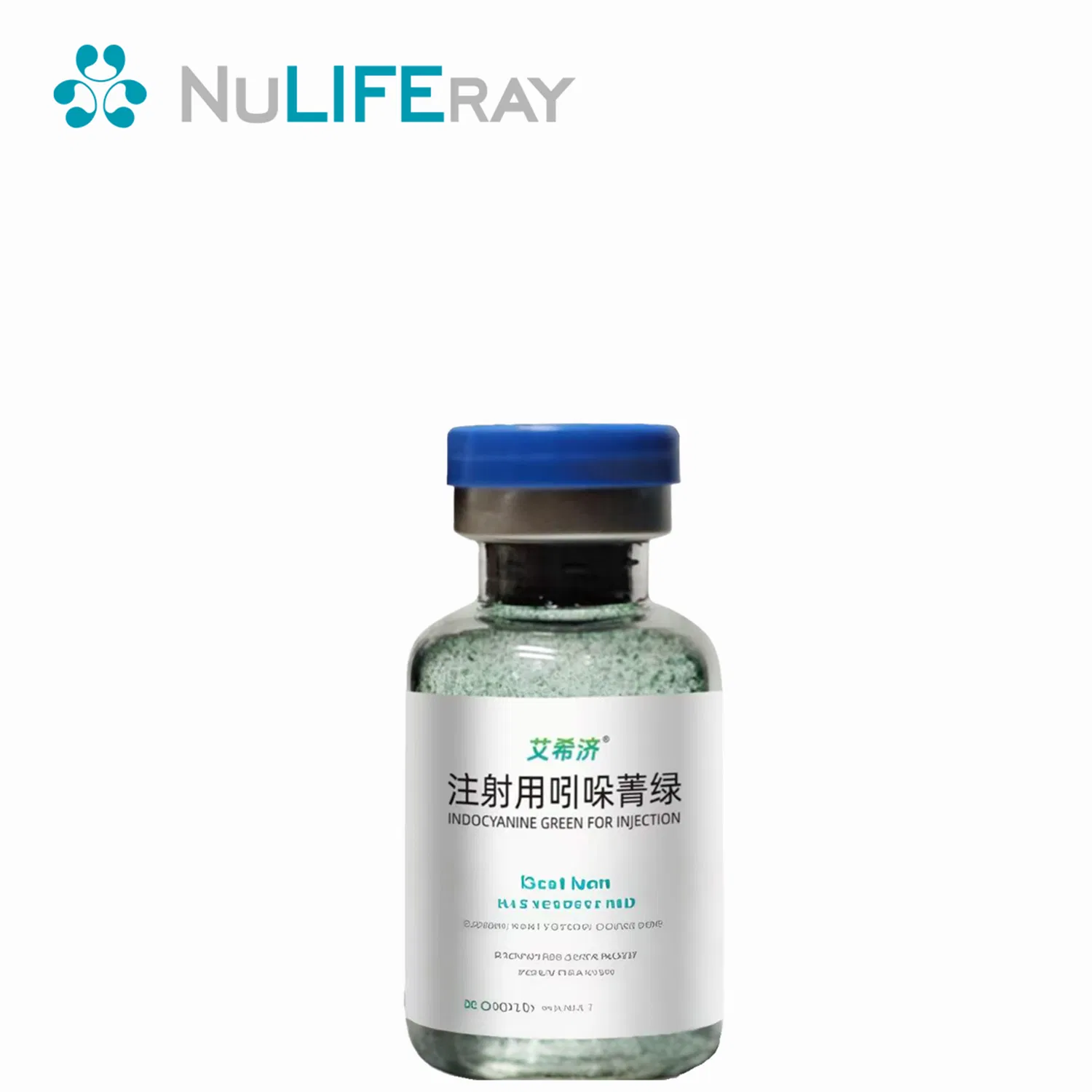
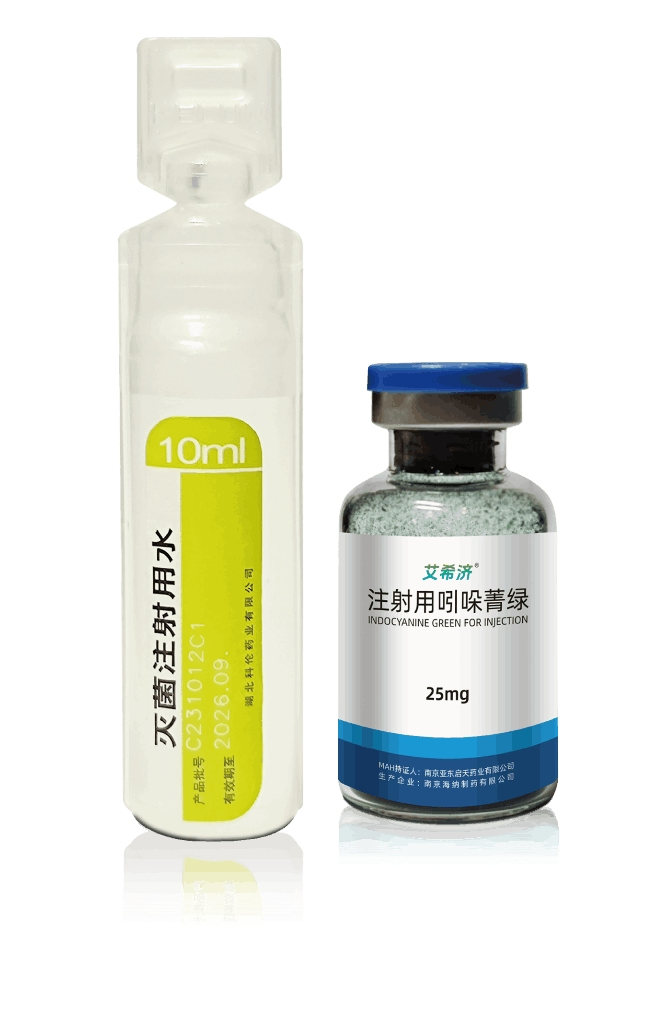
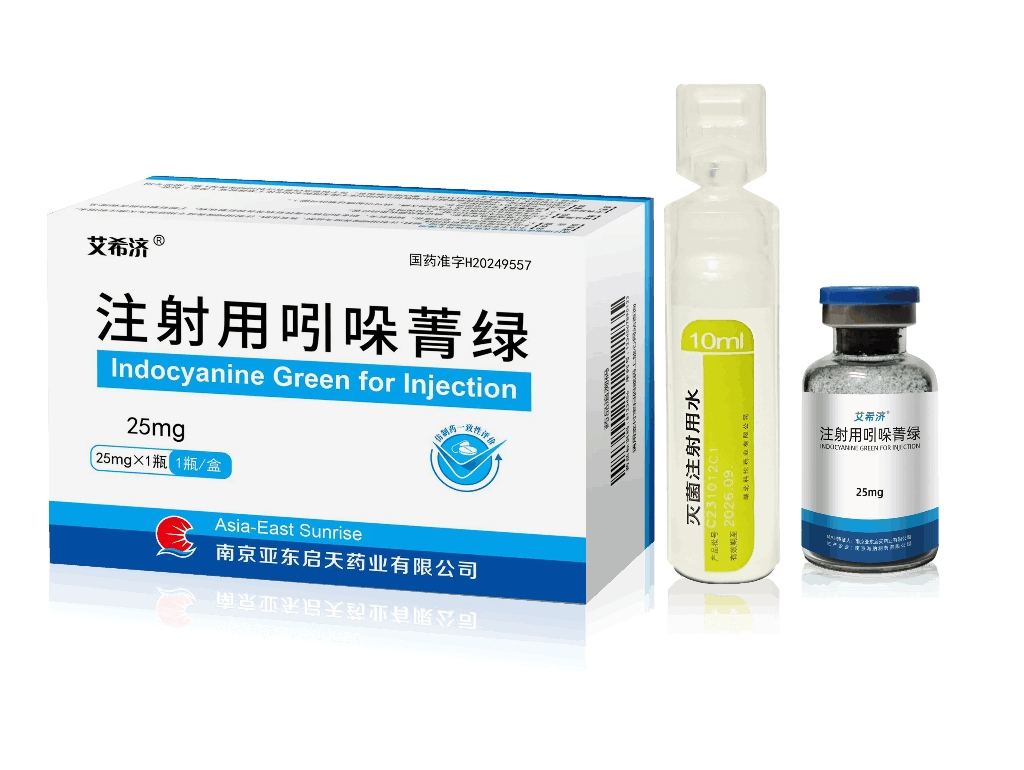
Indocyanine green (ICG) is a near-infrared fluorescent dye. Protein-bound ICG can be excited by external light with a wavelength range of 750 ~ 810 nm and emits near-infrared light with a wavelength of about 840nm. Its half-life in blood is about 3 ~ 5 minutes. After entering the blood and binding to protein, it is absorbed by liver cells, enters the intestine through the biliary tract, and is finally excreted with feces.
The product has passed double consistency evaluations, offering high purity, low impurity content, and optimized storage conditions, bringing stable and reliable diagnosis options to the medical community.
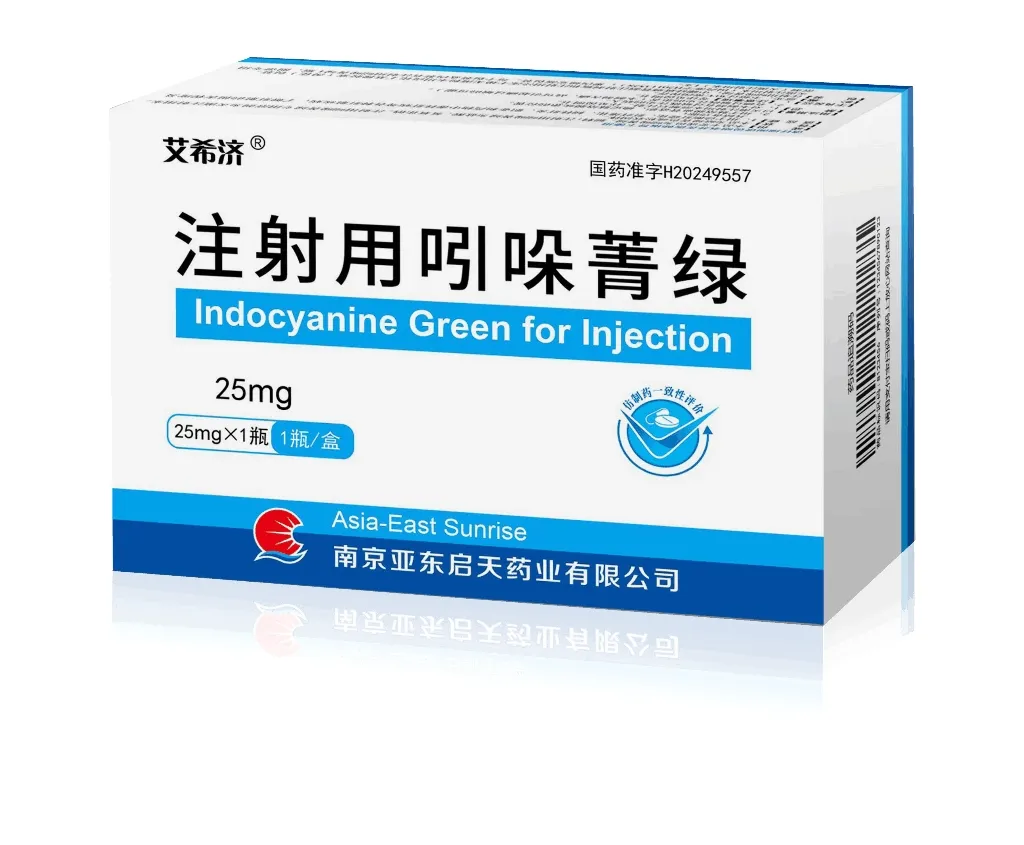
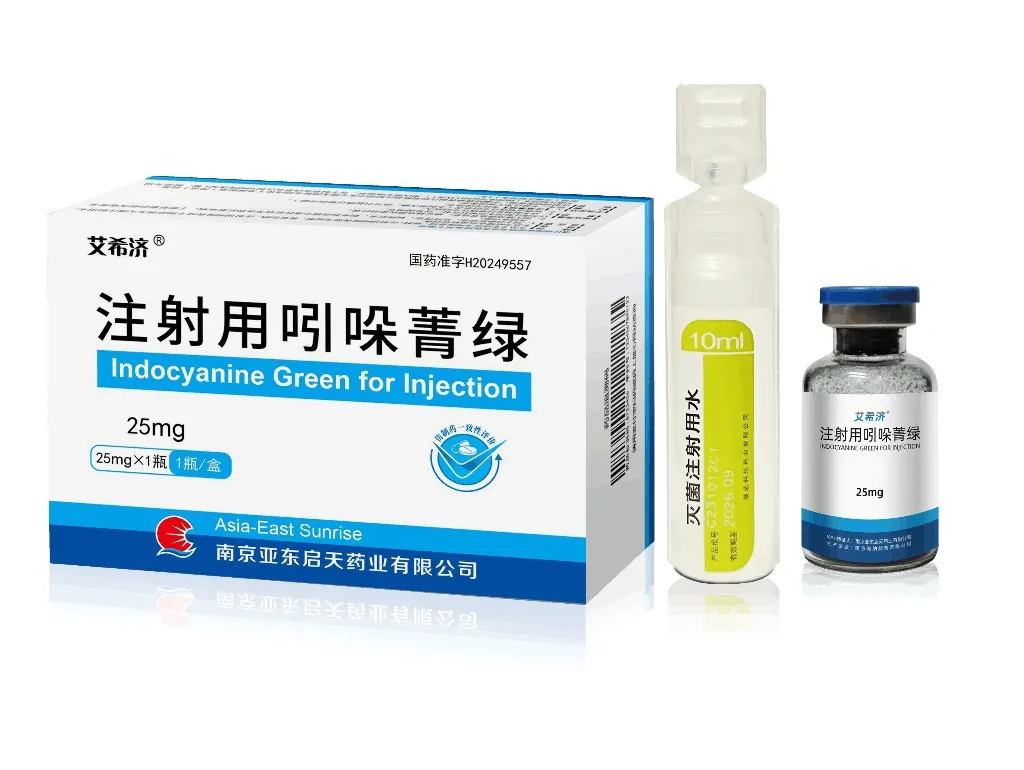
Indications: Detection of choroidal neovascularization, macular lesions, intraocular tumors, and retinal vascular lesions; Intraoperative staining of capsule and internal limiting membrane.
Advantages: Provides clear choroidal vascular images for accurate diagnosis and assists physicians in identifying membranes during cataract and retinal surgery.
Indications: Evaluation of liver reserve function, liver tumor image development, liver segment identification, and bile leakage observation.
Advantages: Optimal method for liver reserve evaluation due to rapidity and safety. Enhances identification of liver structures during surgery.
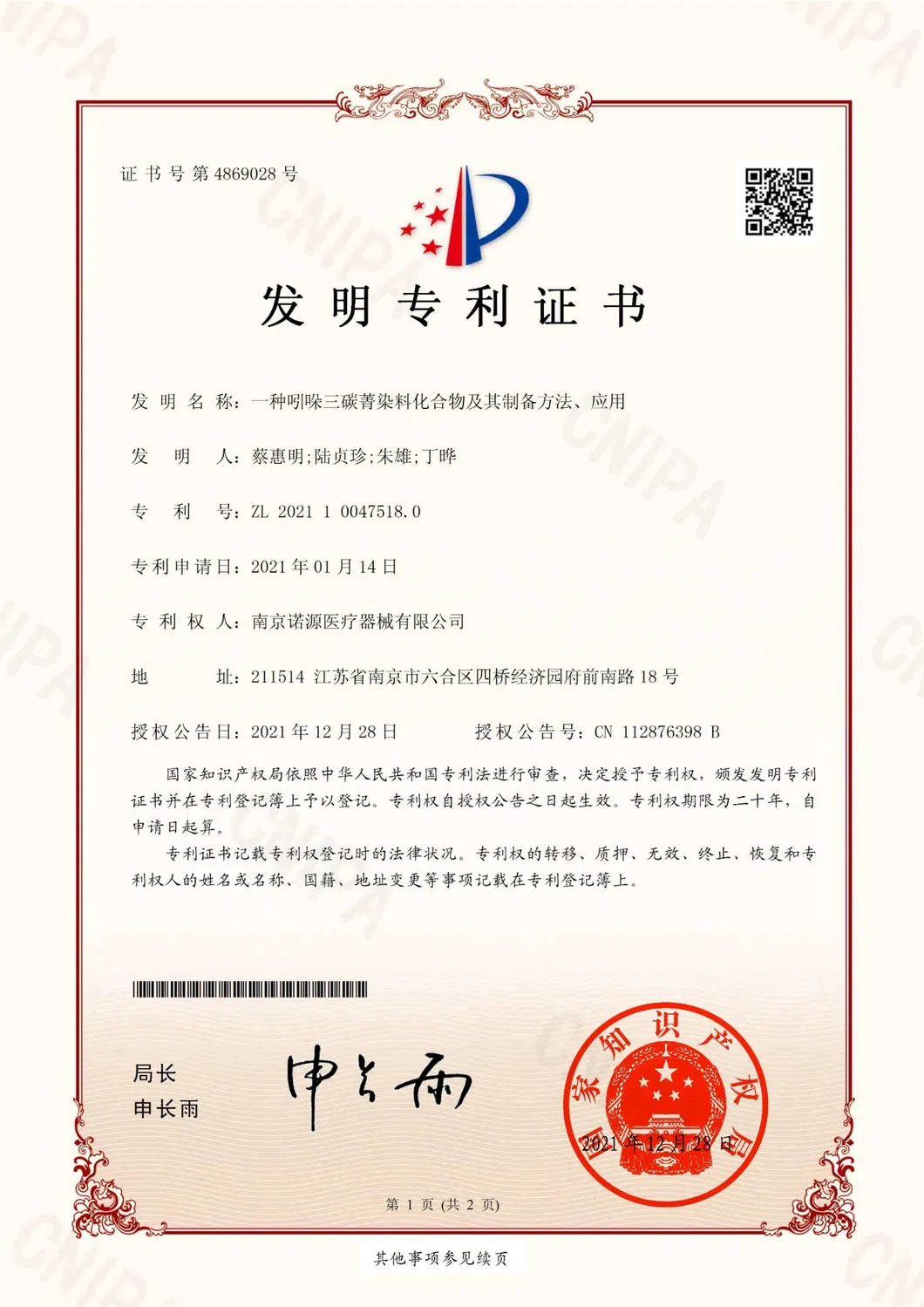
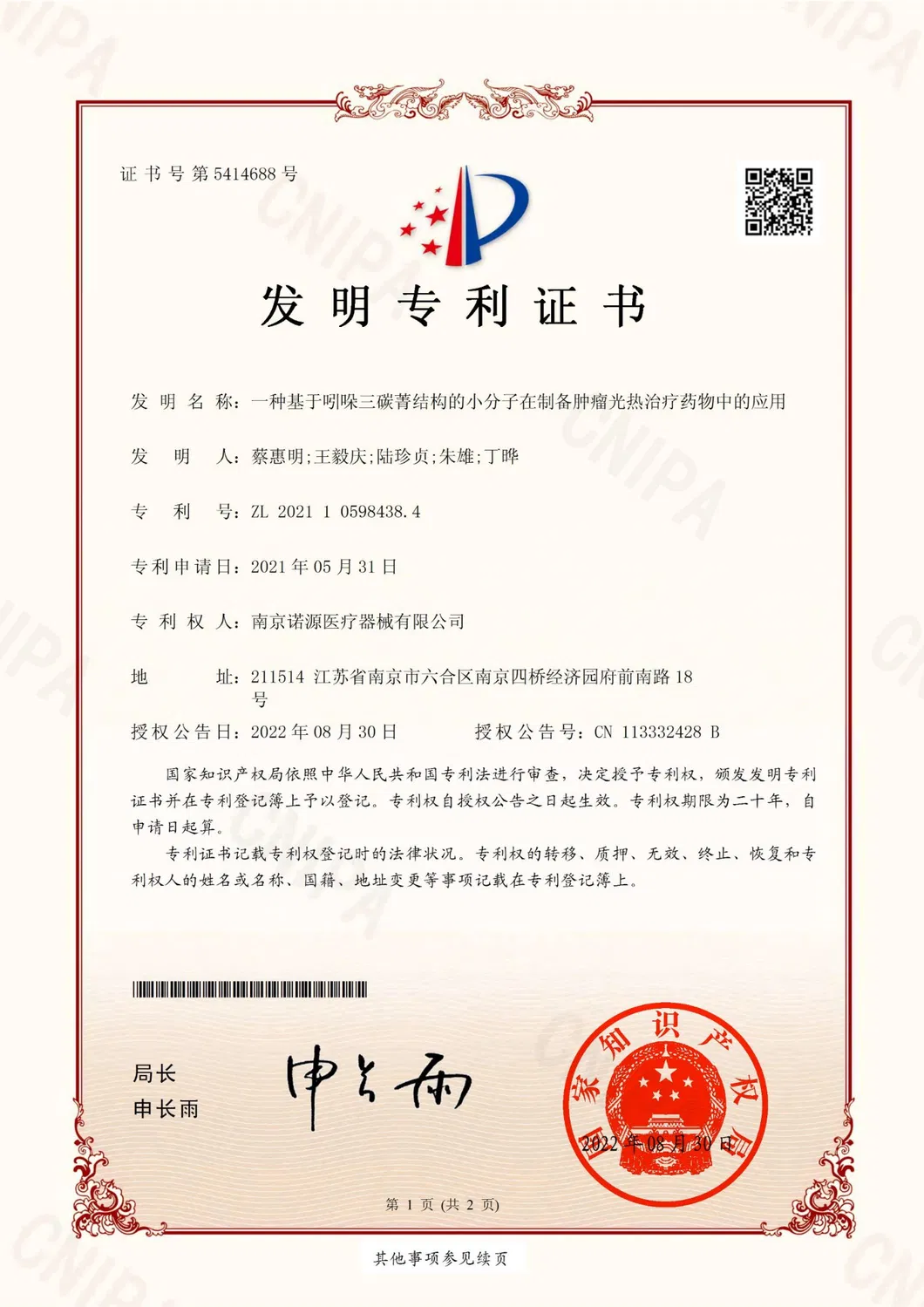
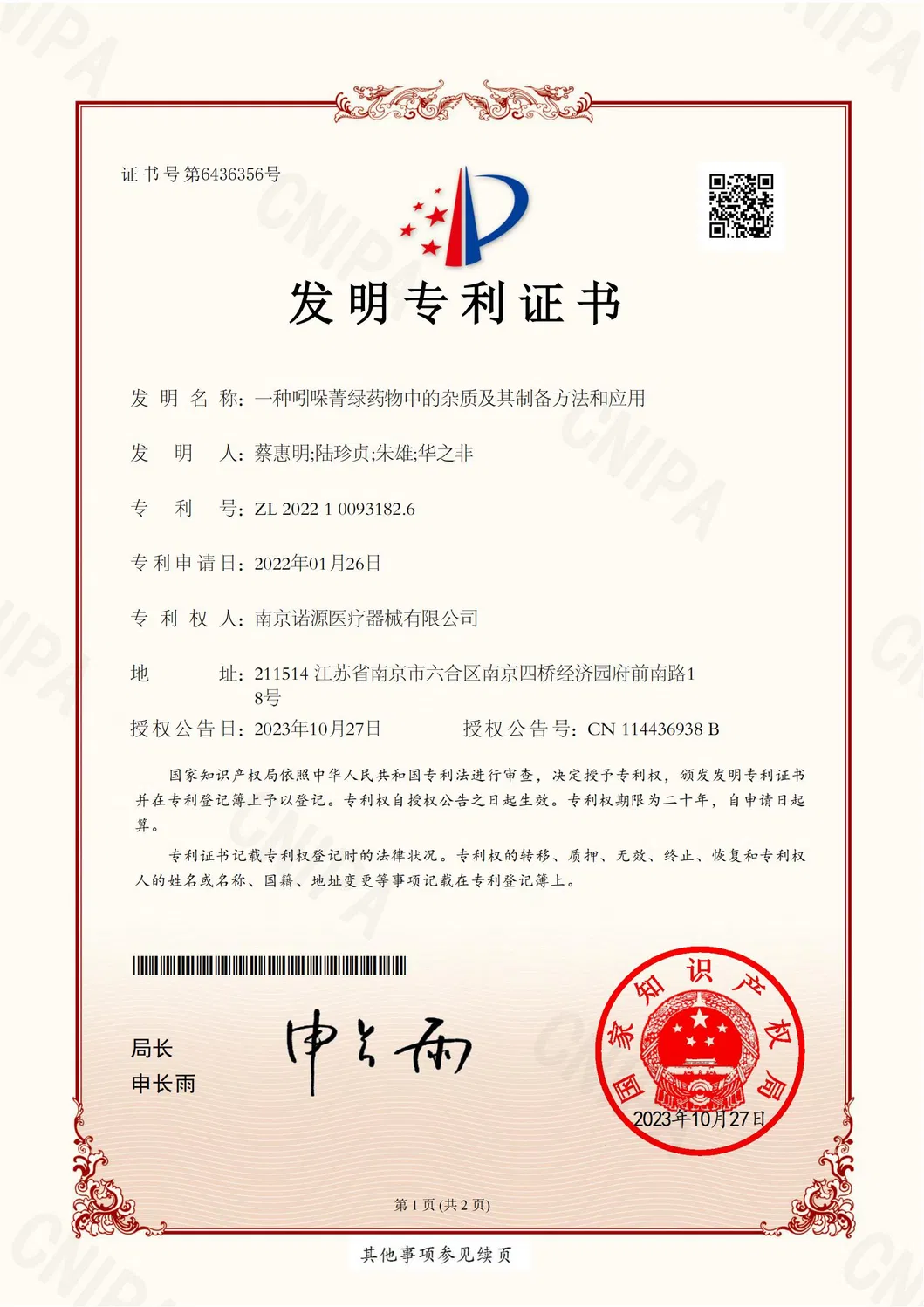
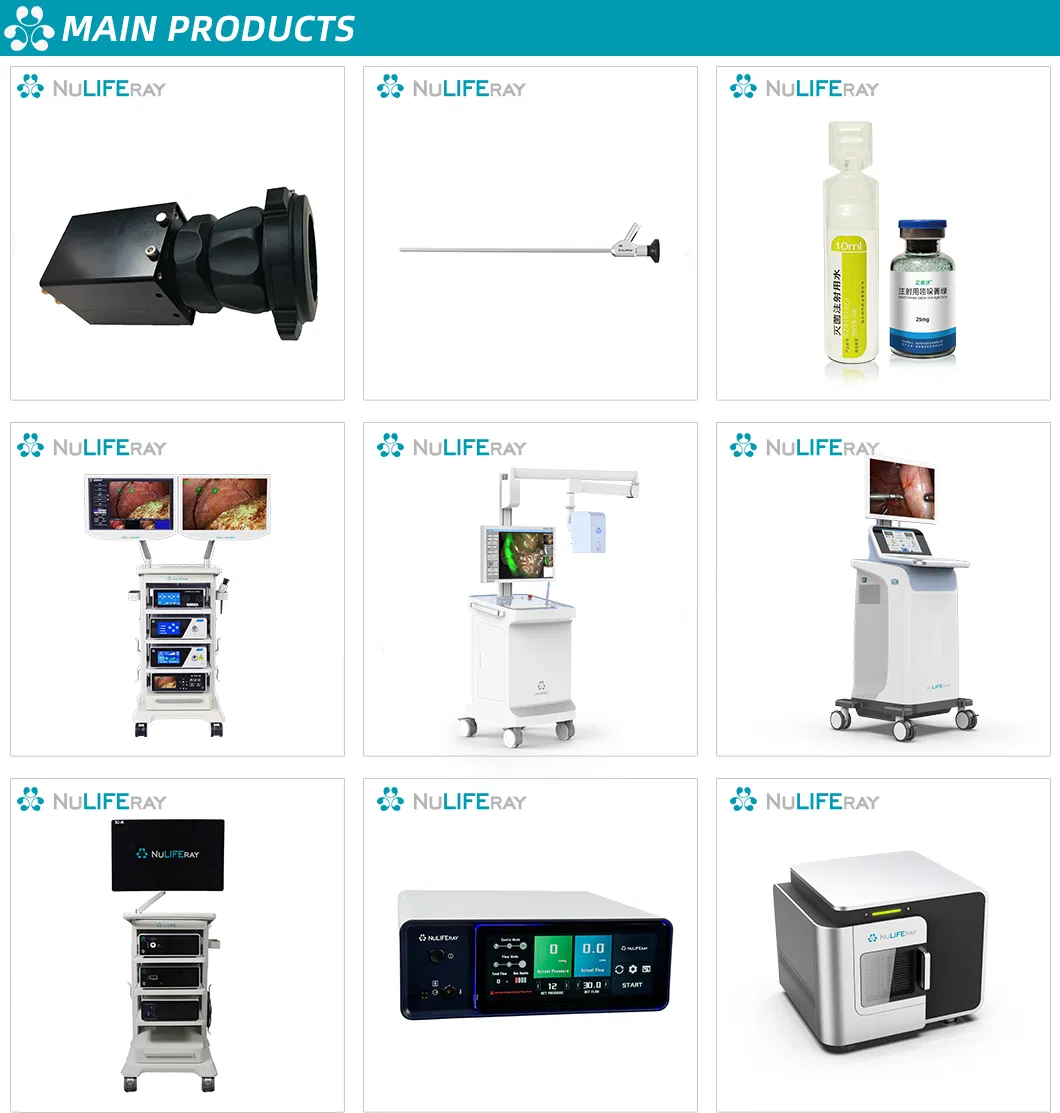
Research and development focus on high-end medical devices (fluorescence imaging series), fluorescence contrast agent drugs (ICG series), and core components (CMOS camera modules, endoscopes).
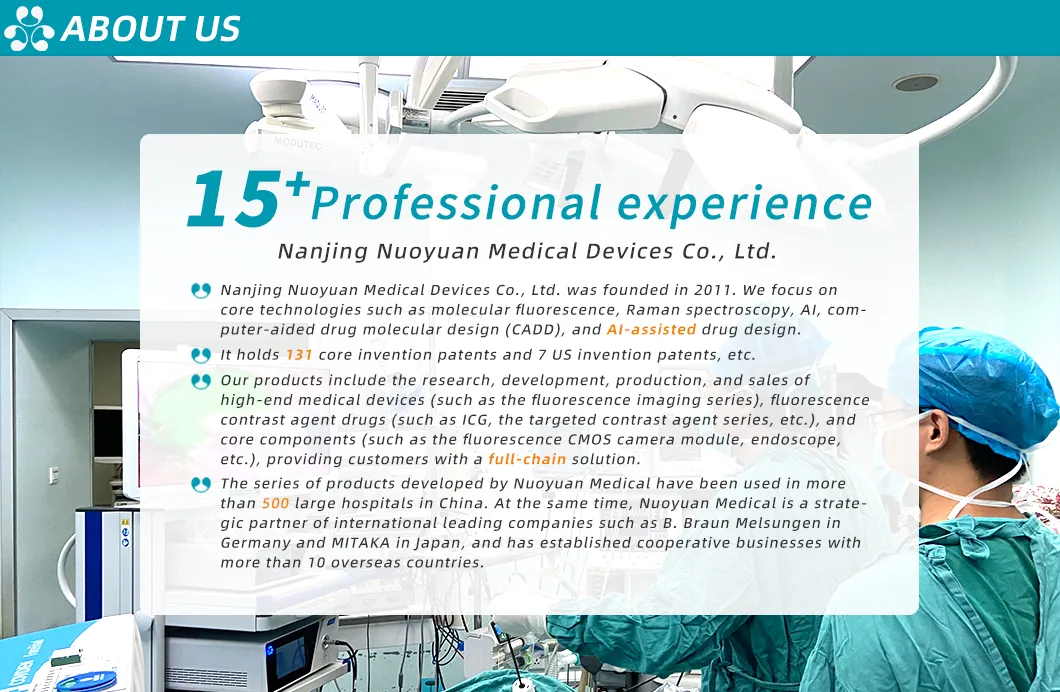
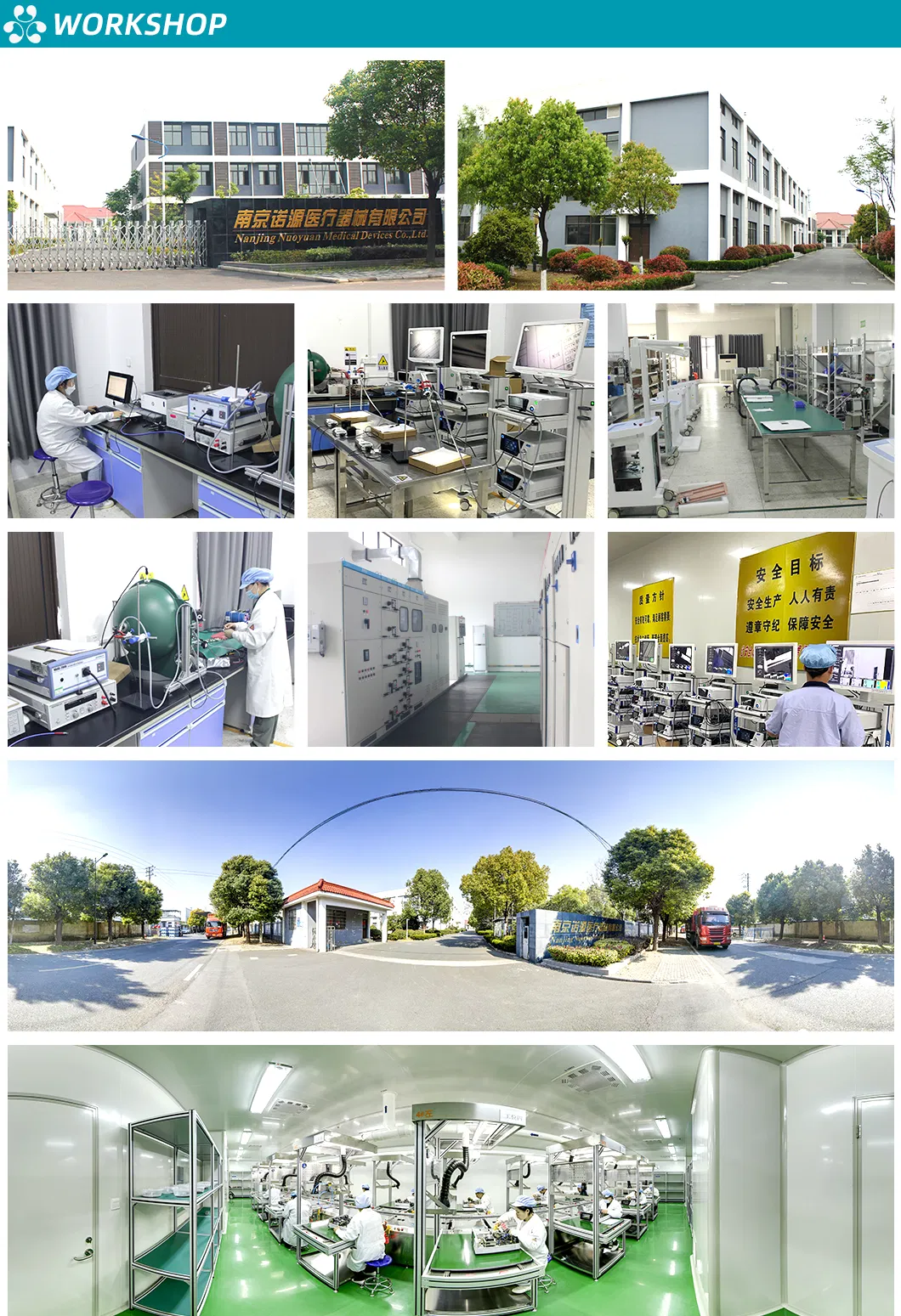
Expertise in molecular fluorescence, Raman spectroscopy, AI, and computer-aided drug molecular design (CADD). Holds 131 core invention patents and 7 US invention patents.