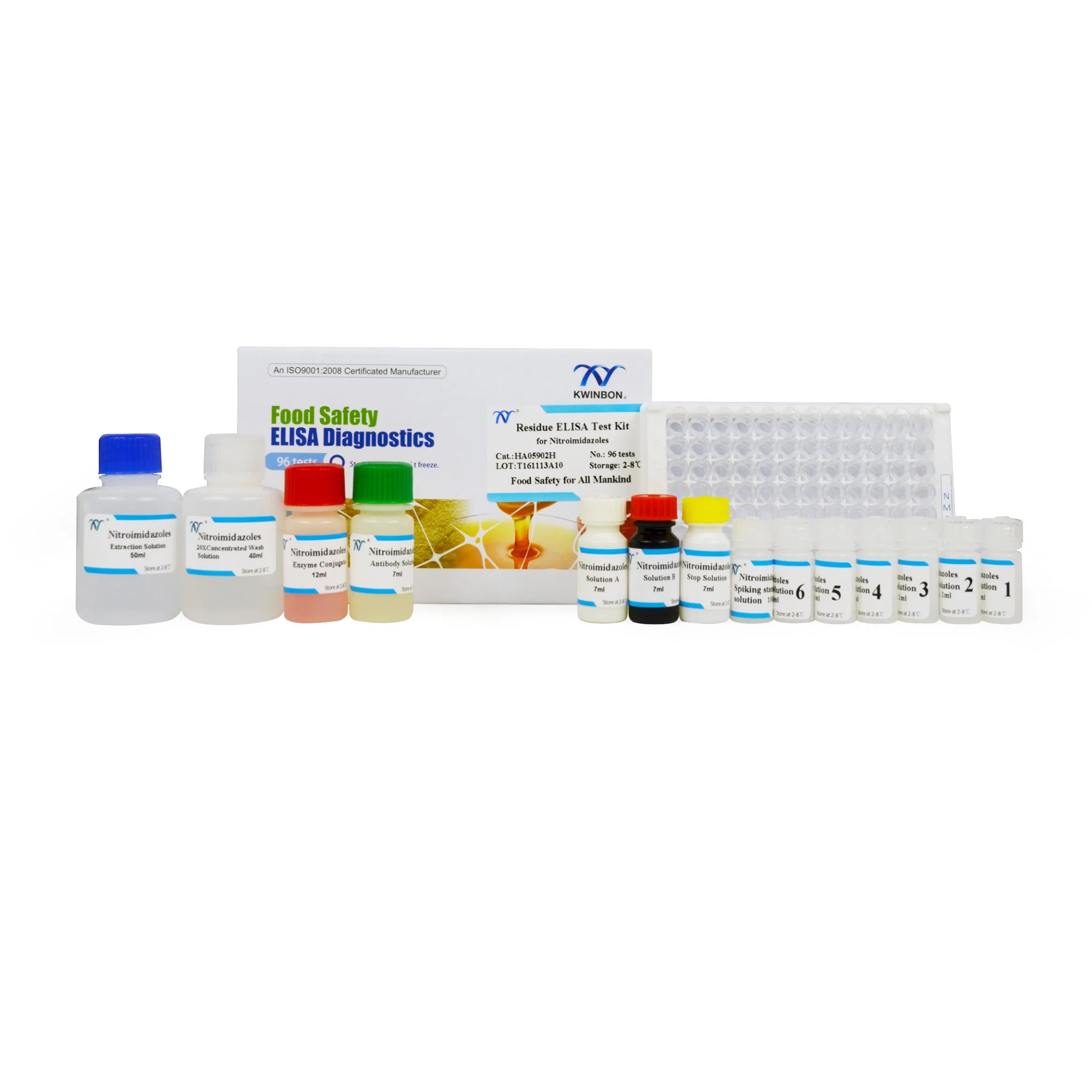
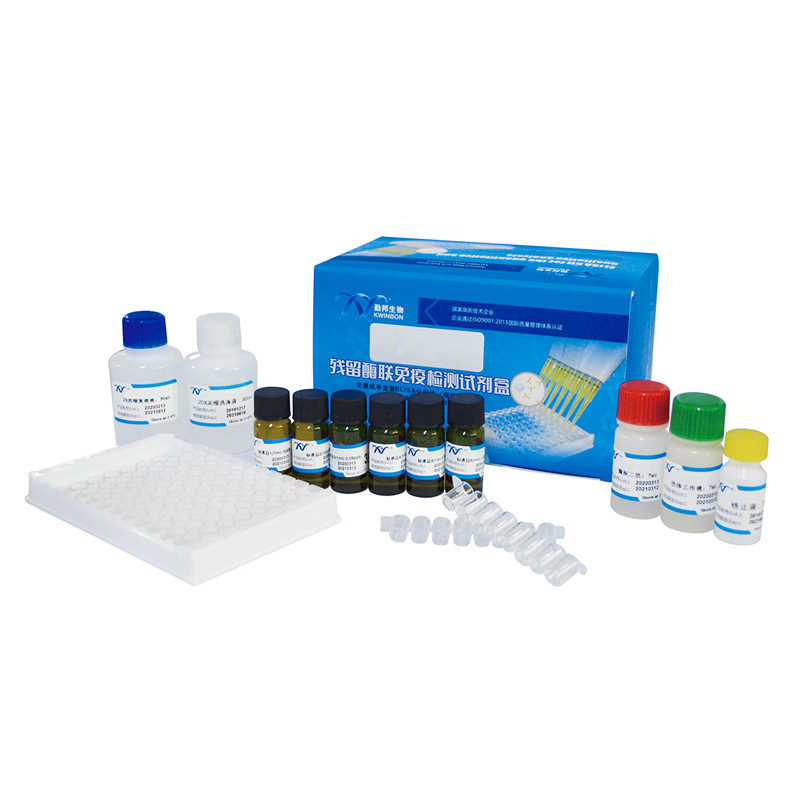
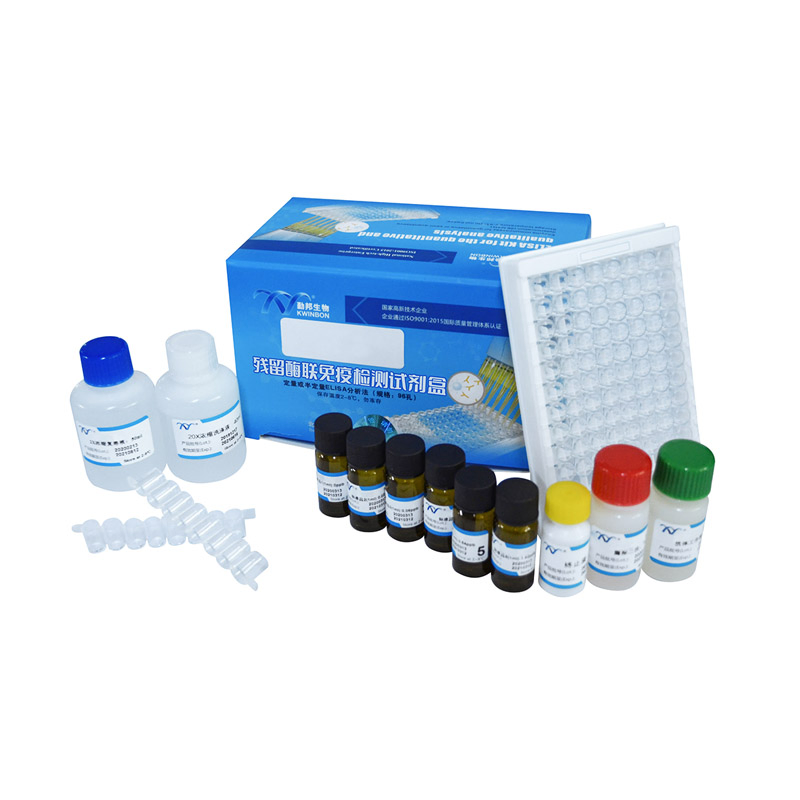
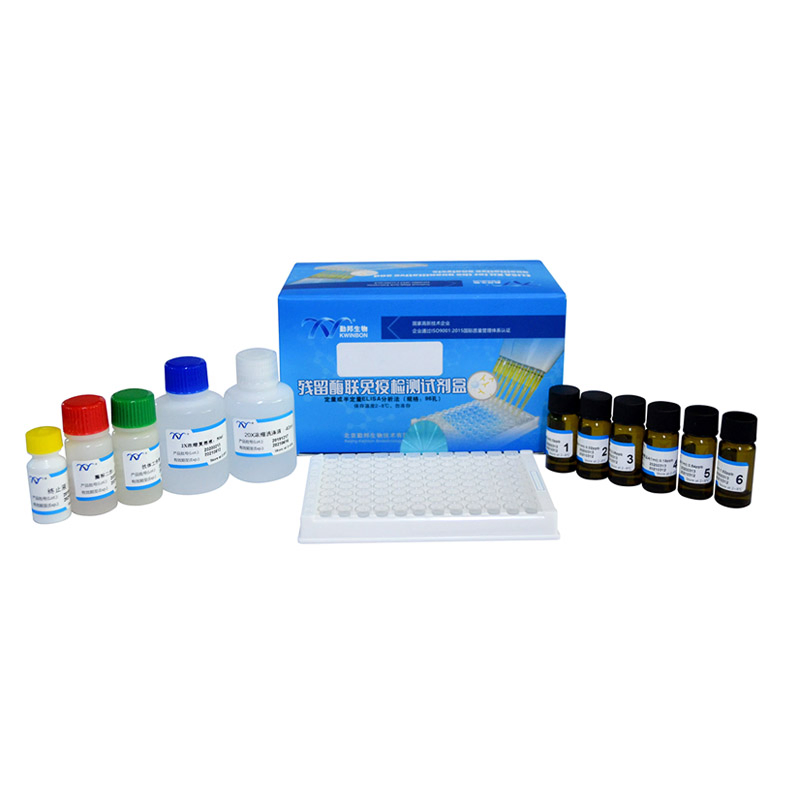
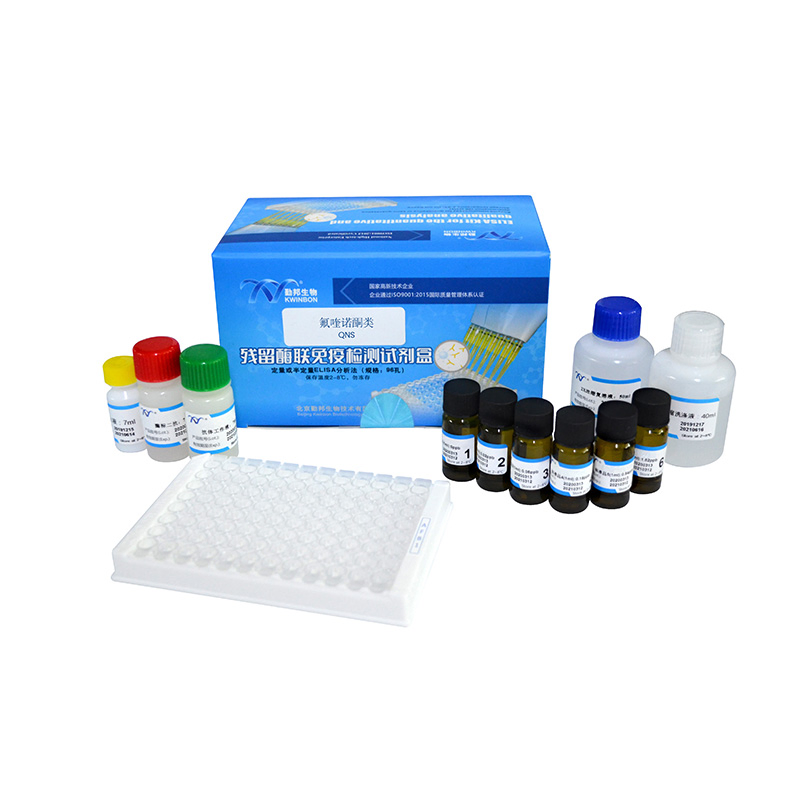
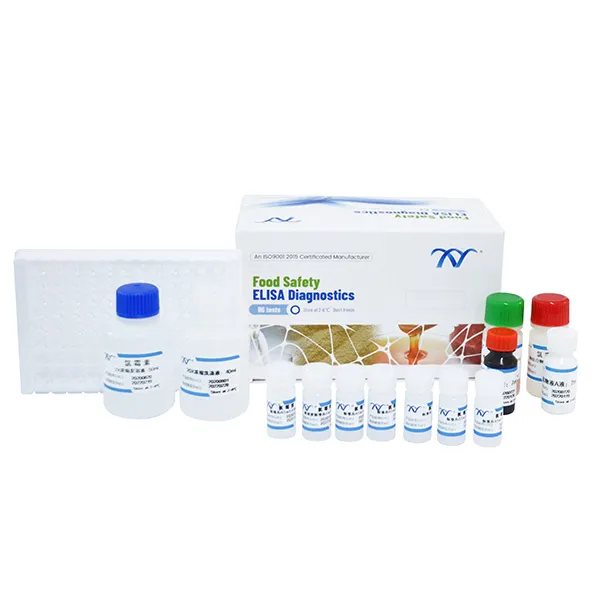
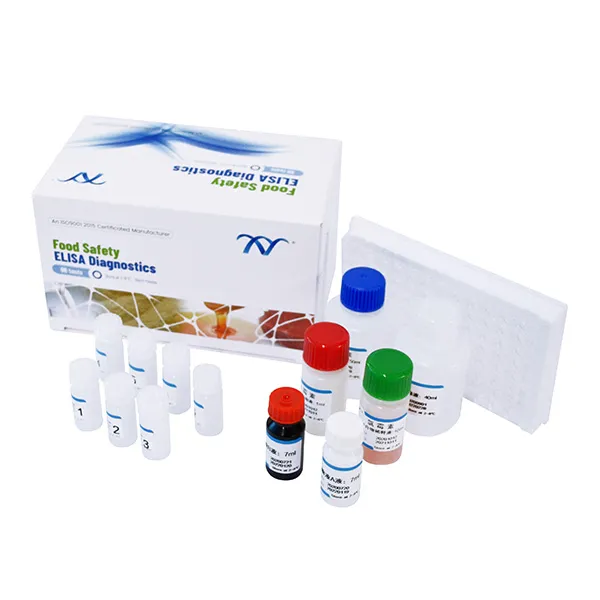
Hormone Drug Residue Elisa Test in Meat for β -Agonists Residue Test Kit

Still deciding? Get samples of $ !
Request Sample

Product Description

📊 Basic Information
Model NO.
KA08701H
Color
White
Classification
Food Diagnostic
Function
Food Testing
Appearance
Liquid
Assay Time
1.5 H
Express
DHL FedEx
Detection Limit
1ppb
Sample
Serum, Tissue, Feed, Milk, Urine
Origin
China
📝 Product Description
Test Principle:
This kit is based on direct-competitive ELISA technology. The microtiter wells are coated with β-agonist antibody. β-agonist residue in the sample competes with the enzyme conjugate for the antibody coated. Chromogenic substrate is used to show the color. Absorbance of the sample is negatively related to the β-agonist reside in it.

Applications:
This kit can be used in quantitative and qualitative analysis of β-agonist residue in serum (swine serum, bovine serum), tissue (pork, chicken, beef, mutton, pork liver), urine (swine urine, bovine urine, sheep urine), feed, milk, milk powder, etc.

Detection Limit:
  • Urine, milk: 0.3ppb
  • Tissue: 0.5ppb
  • Serum: 0.4ppb
  • Milk powder: 1ppb
  • Feed: 5ppb
🖼️ Detailed Photos
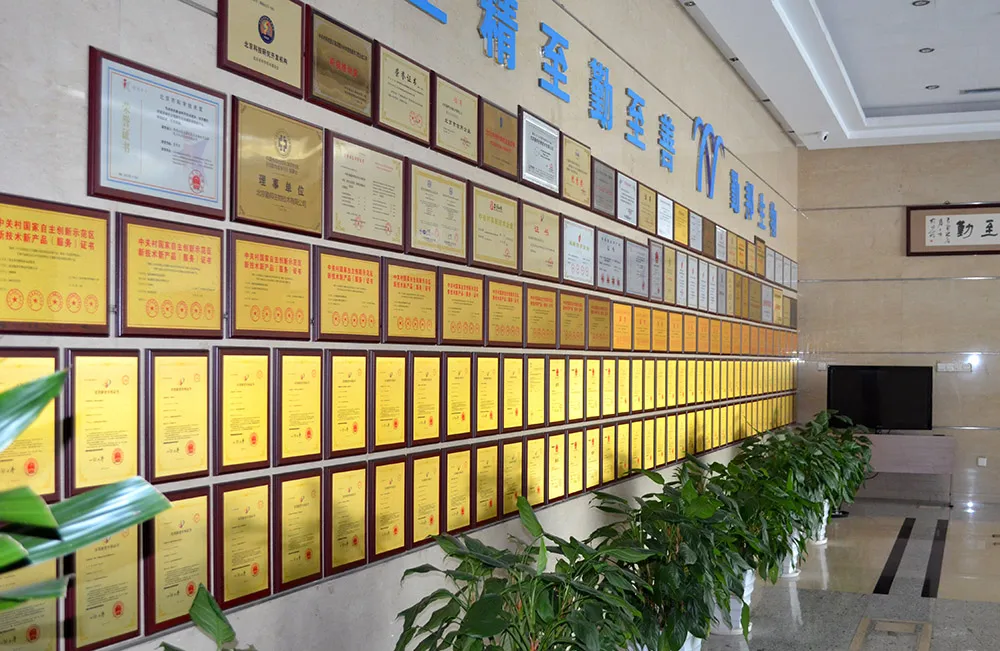
🏭 Professional Capabilities

Stuff: Over 500 employees, including 18 doctors, 92 masters, and 24 senior engineers. 46% of the workforce is dedicated to R&D.

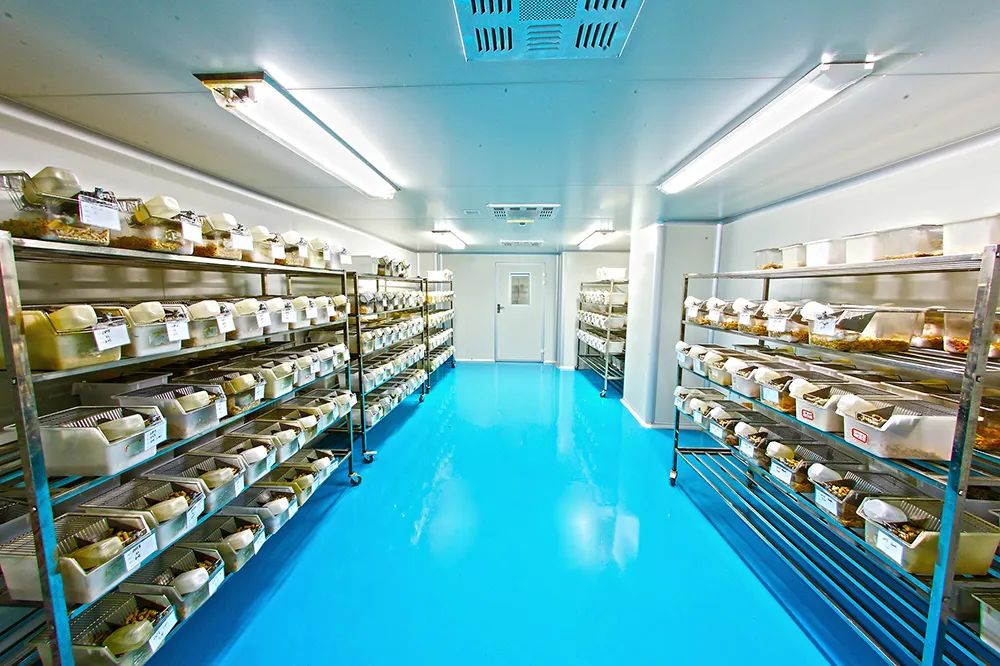
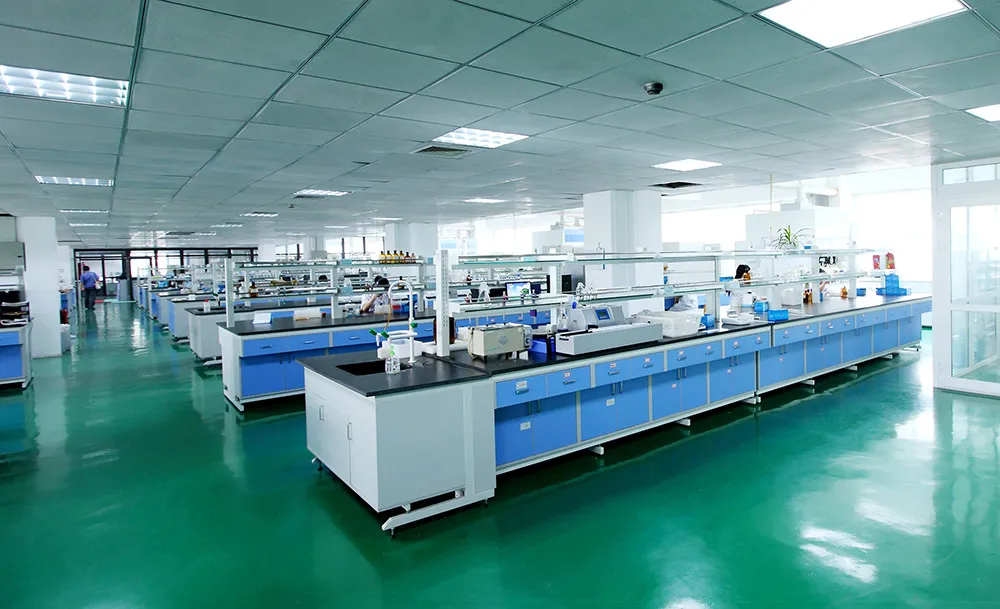
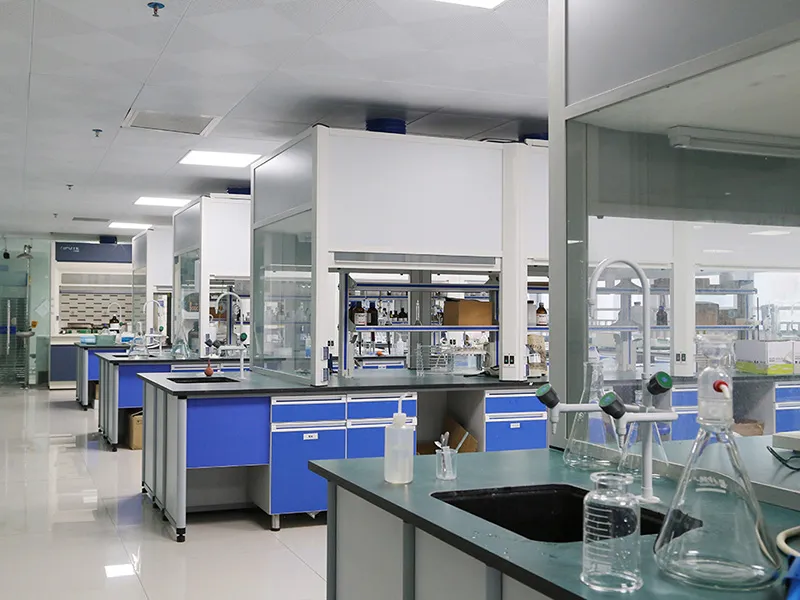
Facility: GMP (Good Manufacturing Practice) factory and SPF animal house. Production department cleanliness reaches above level 105.

Instruments: Equipped with HPLC, GC, LC-MS/MS for test result calibration to ensure superior quality control.
FAQ
Q1: What is the primary technology used in this kit? A1: This kit utilizes direct-competitive ELISA technology for the detection of β-agonist residues.
Q2: Which samples can be tested with this ELISA kit? A2: It is suitable for serum (swine/bovine), tissue (pork/chicken/beef/mutton/liver), urine, feed, milk, and milk powder.
Q3: How long does the assay take to complete? A3: The standard assay time for this diagnostic process is approximately 1.5 hours.
Q4: What is the storage or transport requirement for the kit? A4: The product is typically transported in a foam box with ice bags to maintain proper temperature during shipping.
Q5: What is the detection limit for tissue samples? A5: The detection limit specifically for tissue samples is 0.5ppb.
Q6: Are the results calibrated by standard instruments? A6: Yes, HPLC, GC, and LC-MS/MS instruments are used for result calibration and quality control.

Related Products