SJ medical
1 / 5
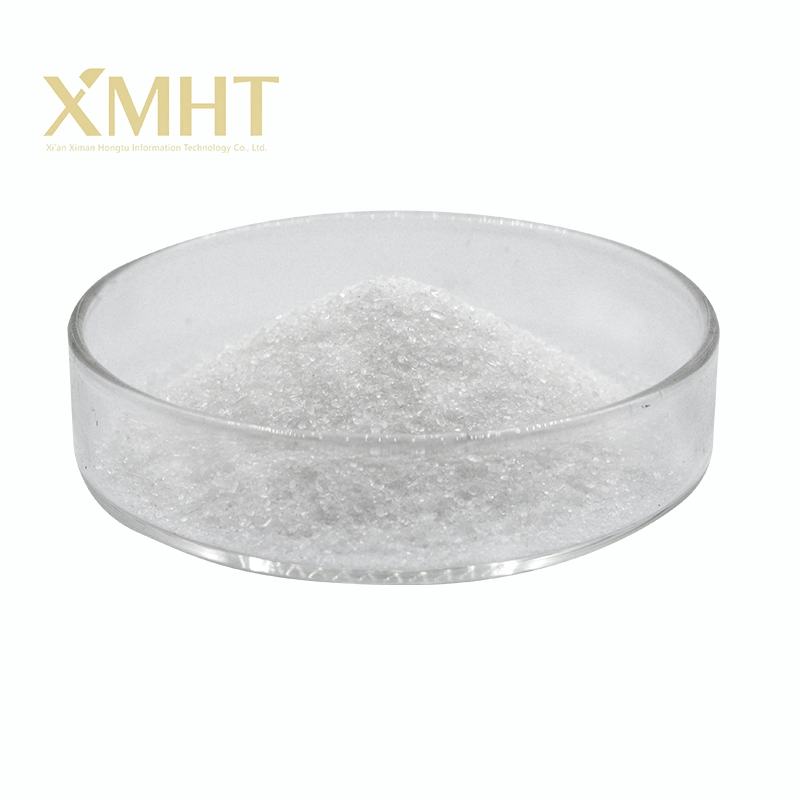
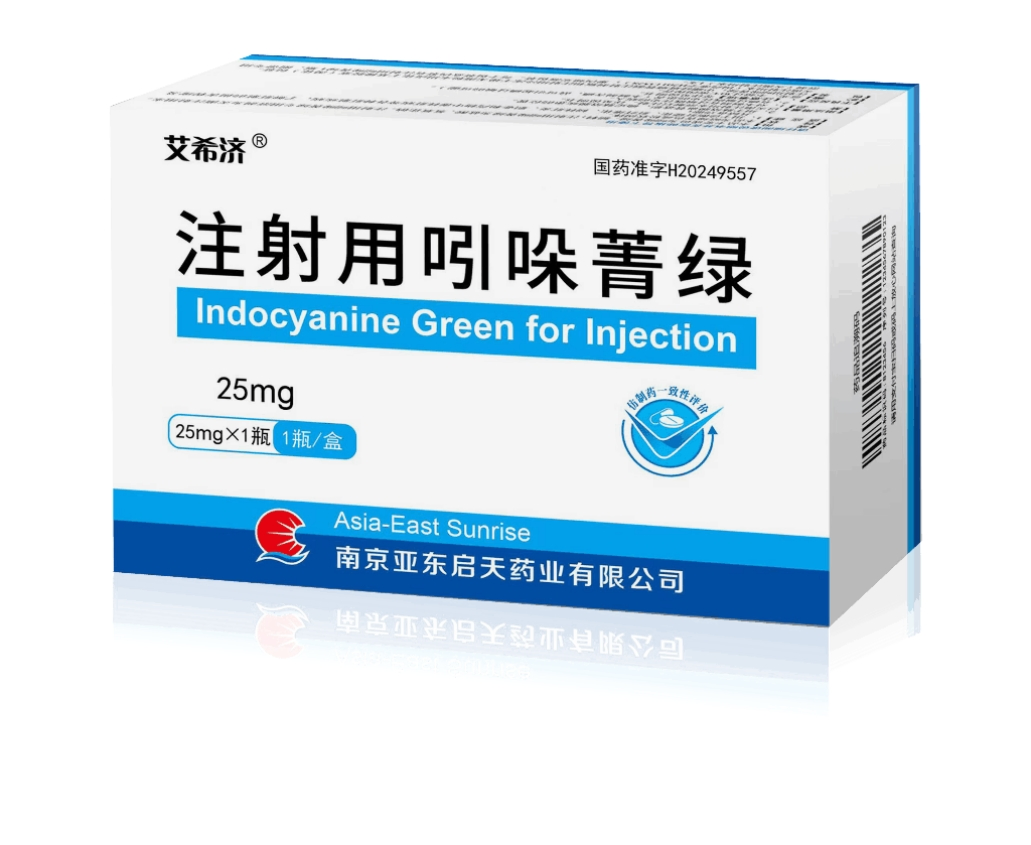
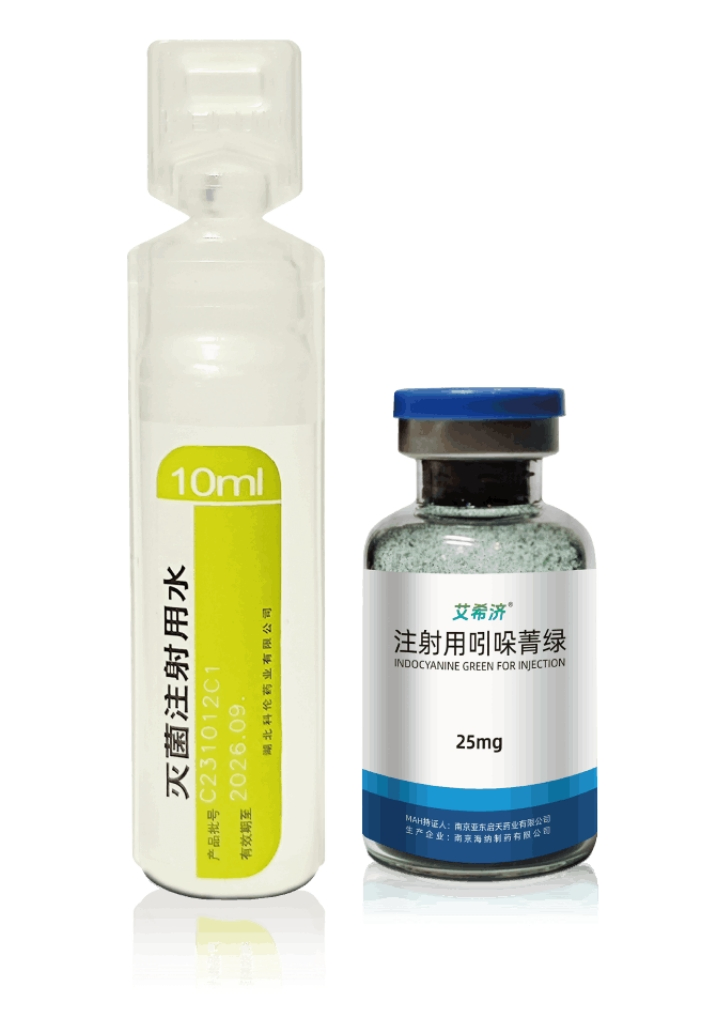
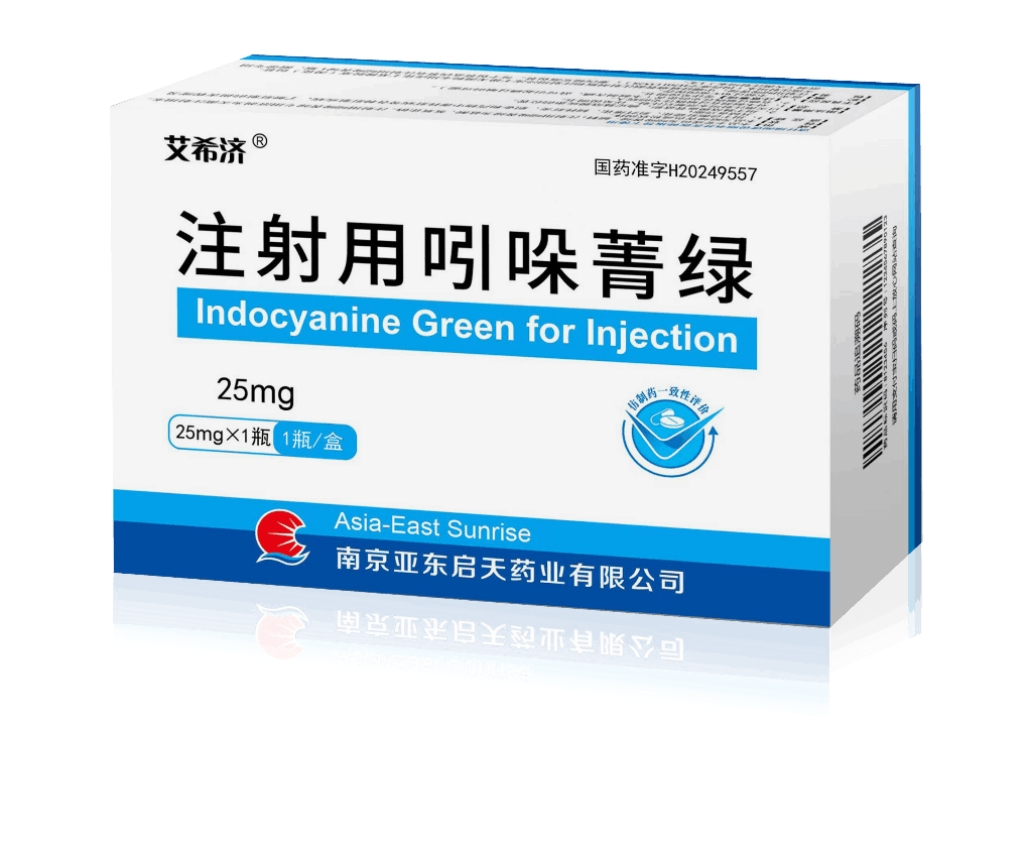
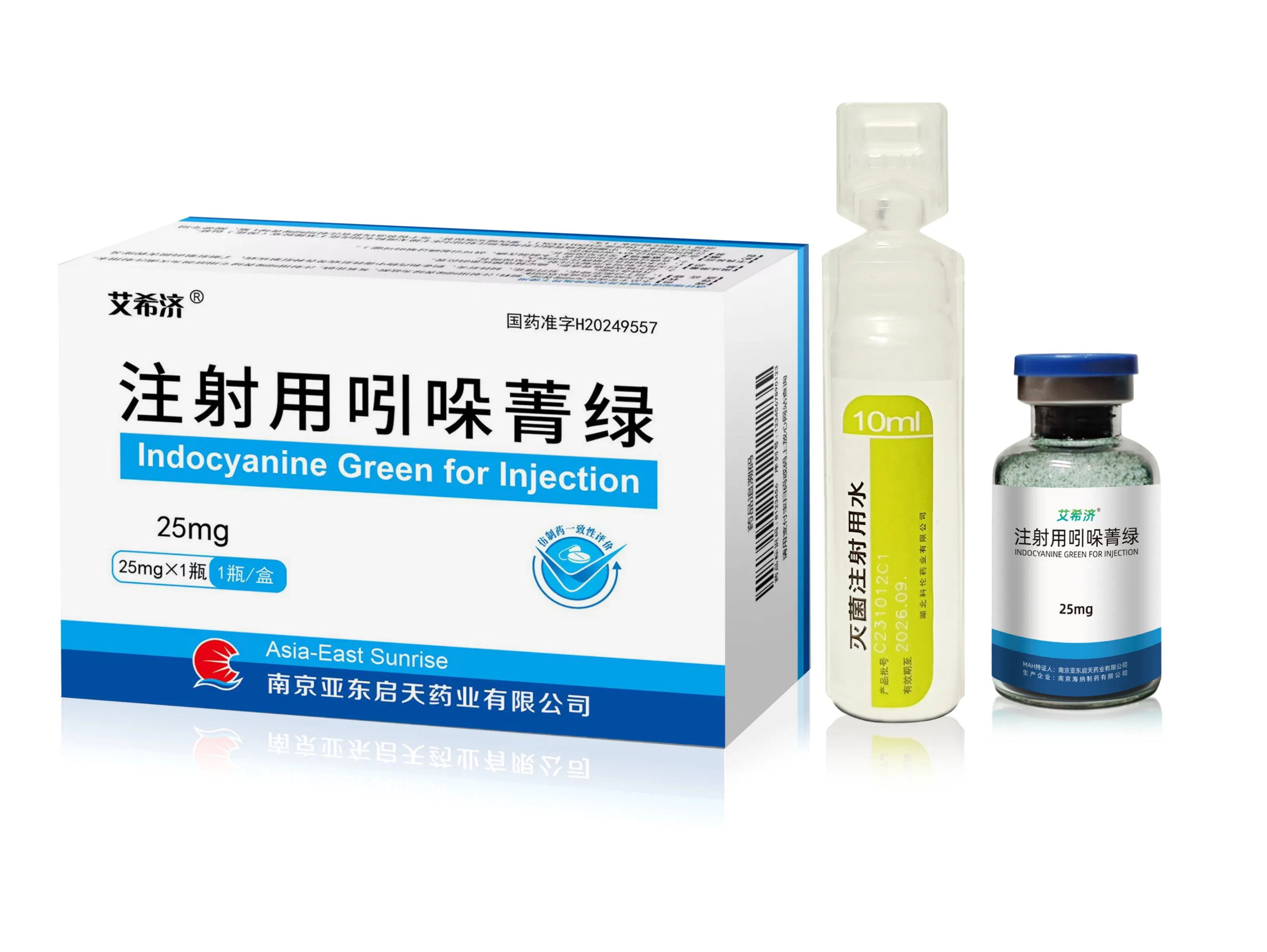
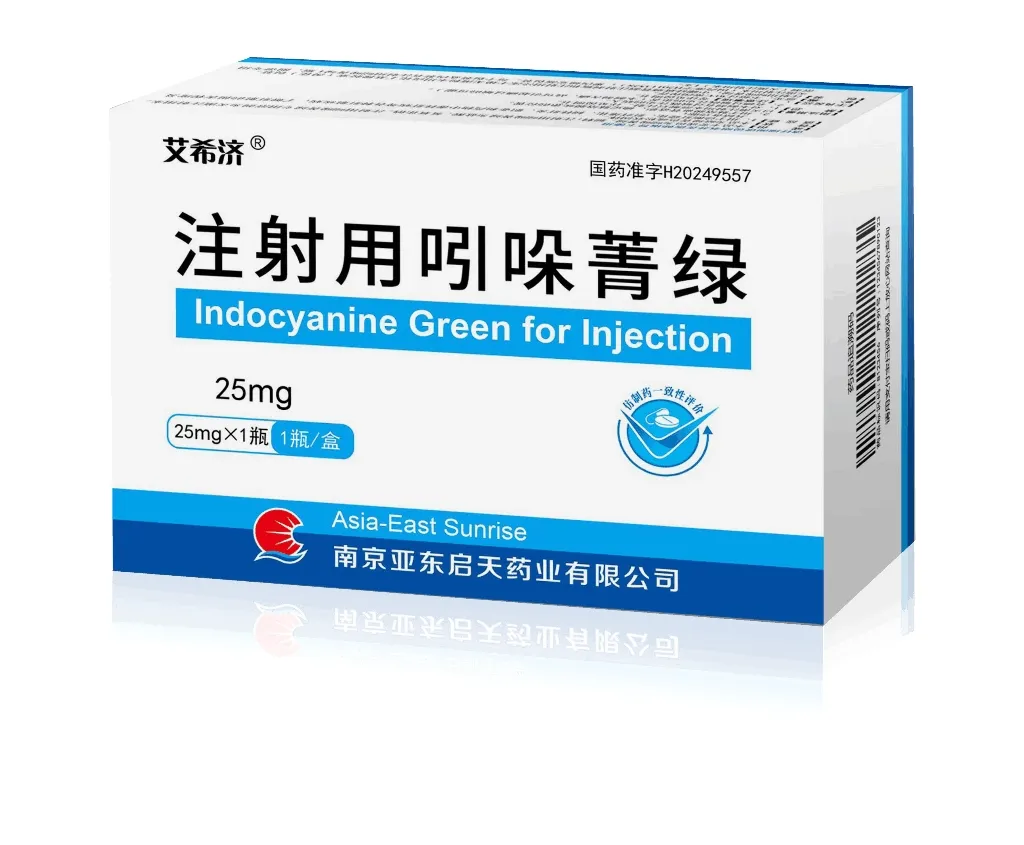
Indocyanine green (lCG) is a near-infrared fluorescent dye. Protein-bound ICG can be excited by external light with a wavelength range of 750 ~ 810 nm, and emits near-infrared light with a wavelength of about 840nm. Its half-life in blood is about 3 ~ 5 minutes. After entering the blood and binding to protein, it is absorbed by liver cells, then enters the intestine through the biliary tract, and finally is excreted with feces.
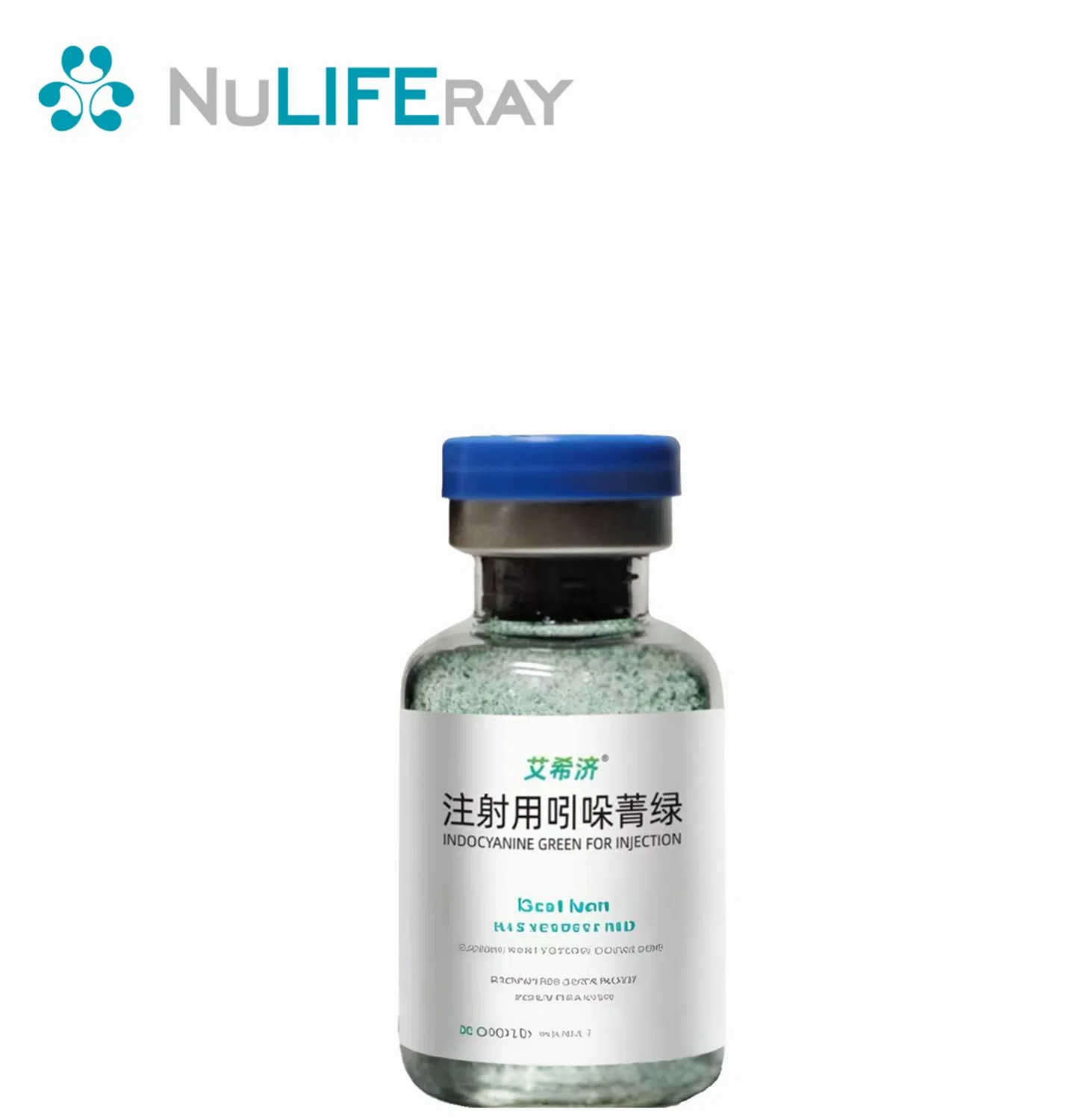
Our ICG is high purity with low impurity content and optimized storage conditions, bringing stable and reliable diagnosis and treatment options to the medical community.
Standard Improvement: In the specification of indocyanine green drug substance, the control limit of two known impurities is added to promote industrial standard improvement.
Patent Protection: We have protected the structure, synthesis process, and biological activity, establishing strong industrial barriers through multiple invention patents.
Ambient Storage: Products are stored at room temperature without cold chain, improving transportation convenience and distribution accessibility.
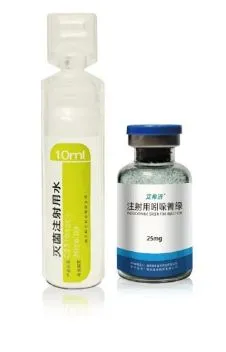
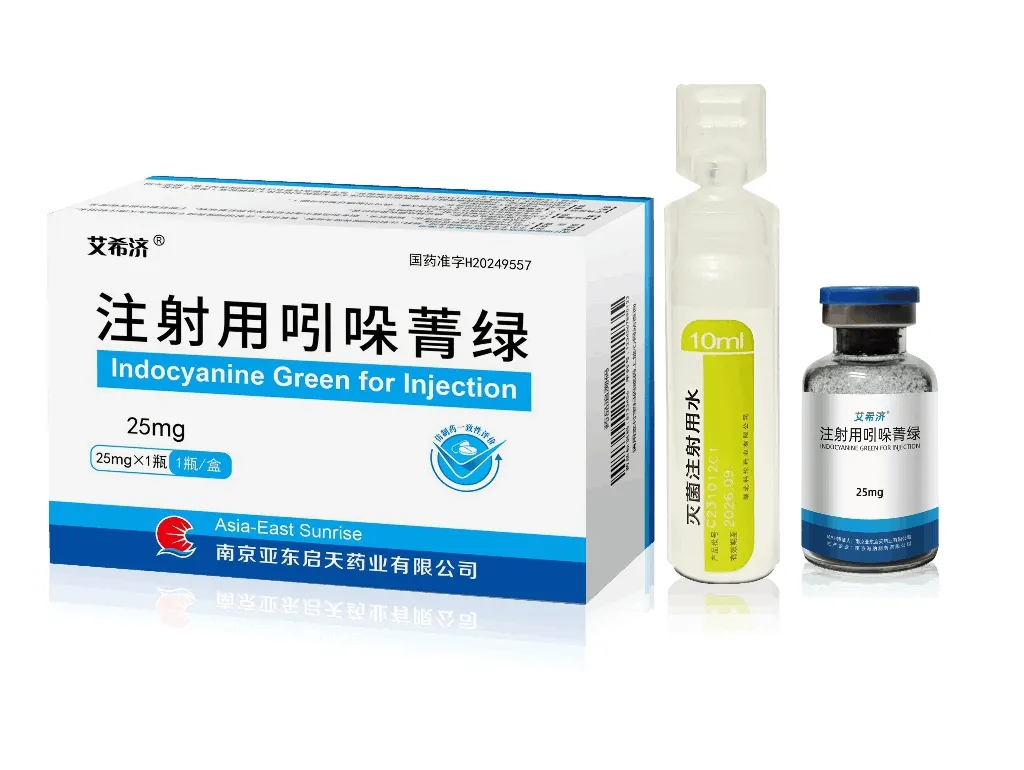
Indications: Detection of choroidal neovascularization, macular lesions, intraocular tumors, and retinal vascular lesions; Intraoperative staining of capsule and internal limiting membrane.
Advantages: Provides clear choroidal vascular images and helps identify internal limiting membrane accurately to reduce complications.
Indications: Evaluation of liver reserve function, liver tumor image development, liver segment identification, and bile leakage observation.
Advantages: Rapid, accurate, and safe method to evaluate liver reserve function, enhancing surgical safety and accuracy.
Indications: Precise localization of tumors, lymph node mapping, and assessment of blood supply.
Advantages: Intuitive visualization of targets during operations through strong fluorescence signals.
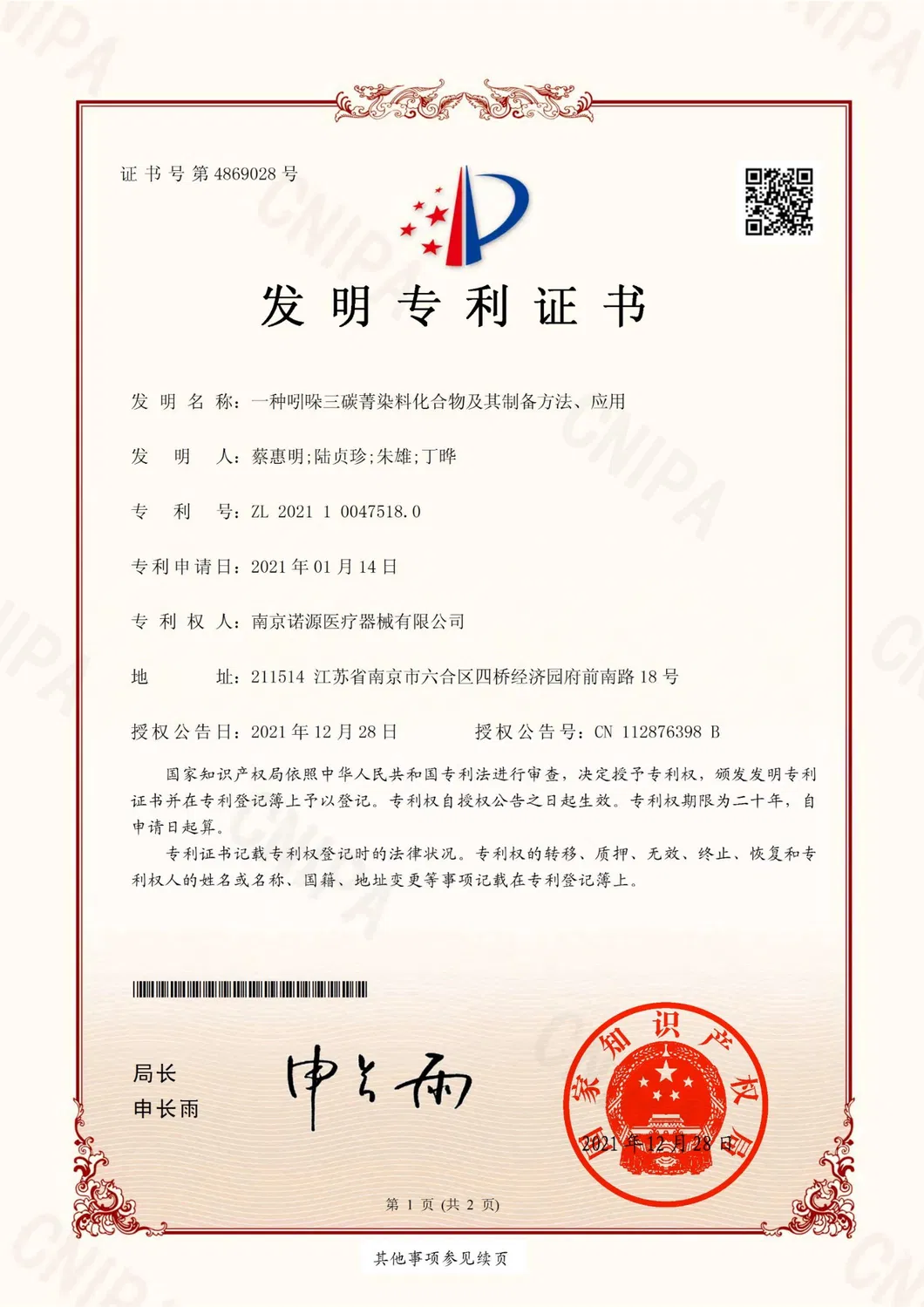
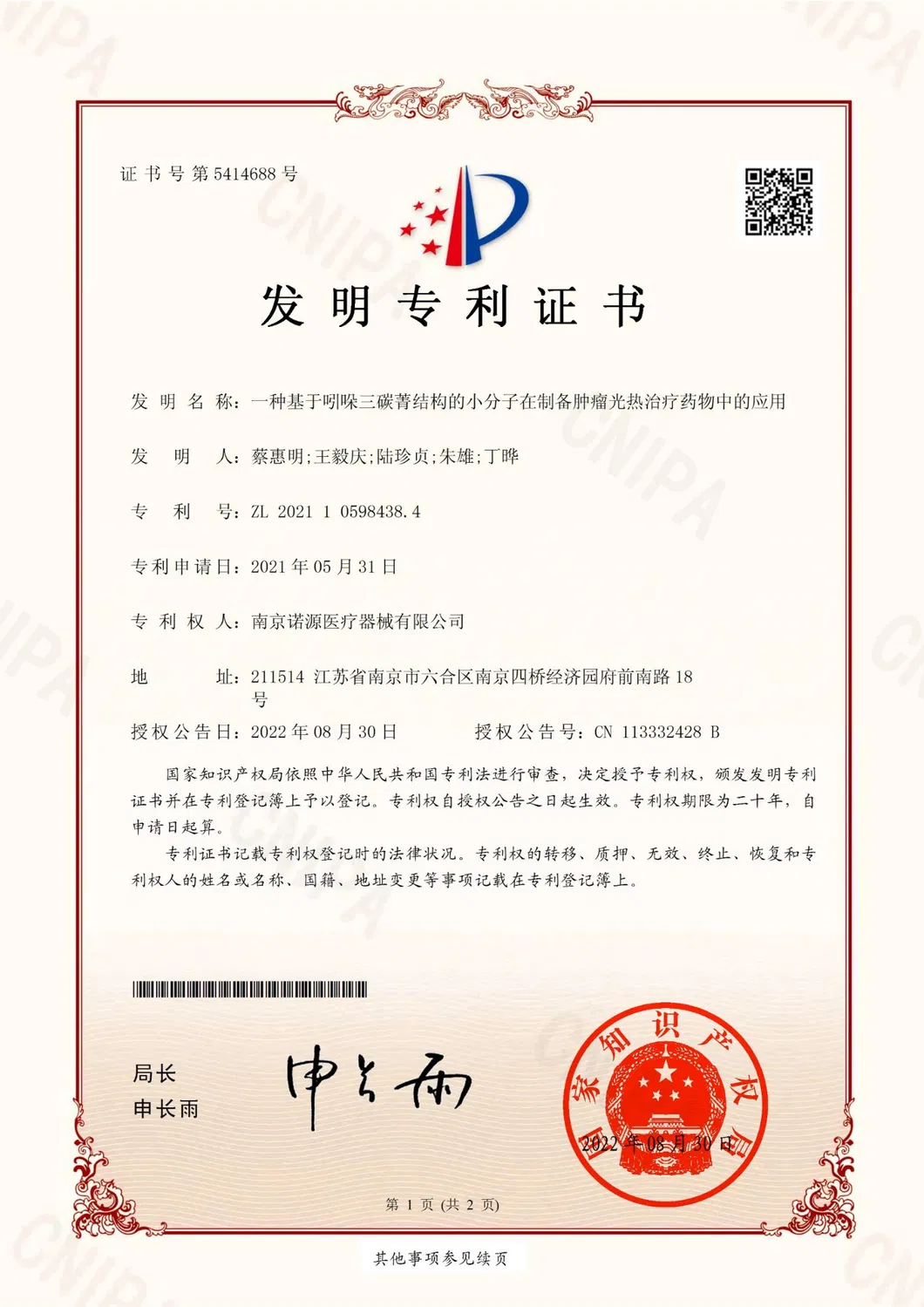
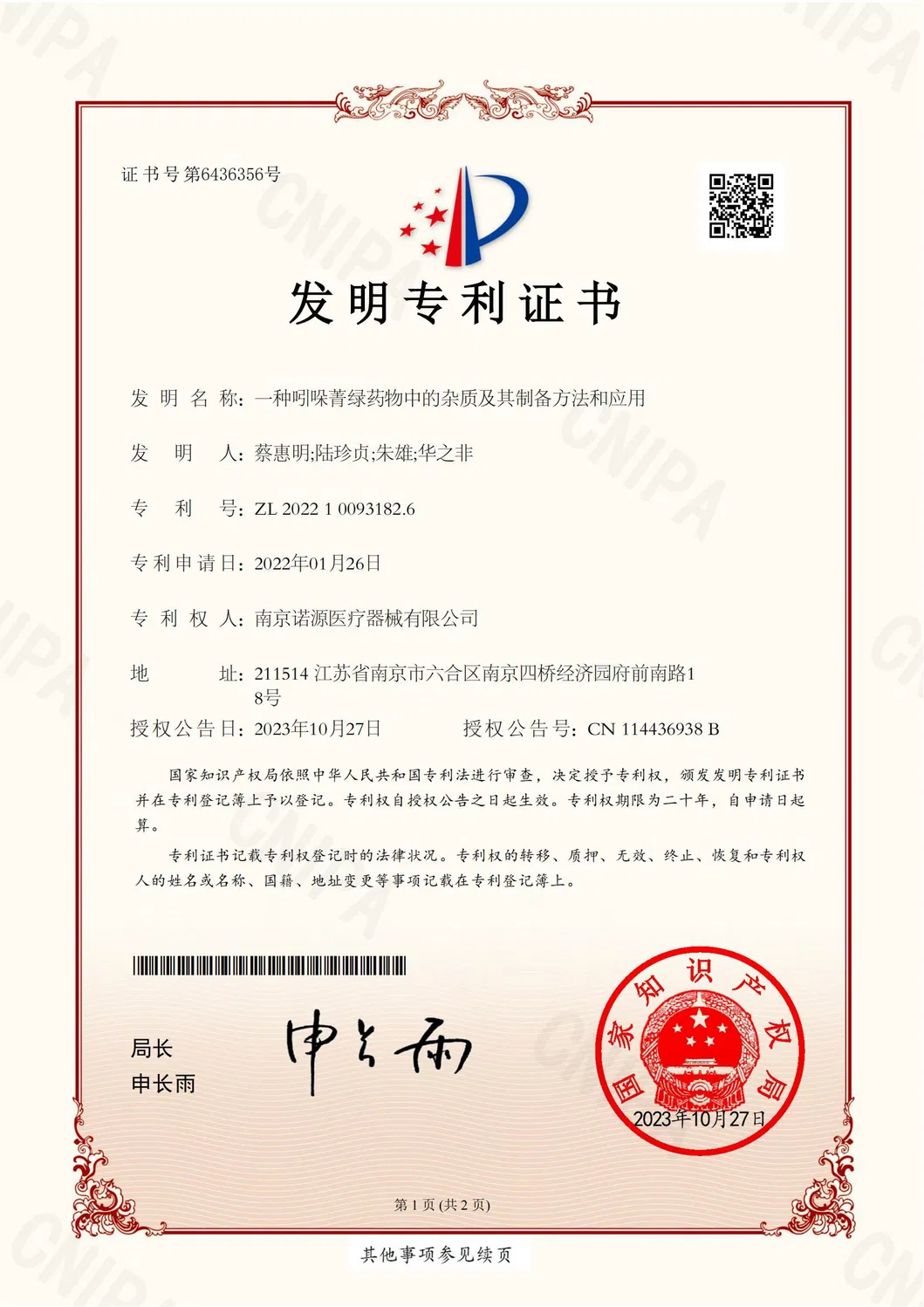
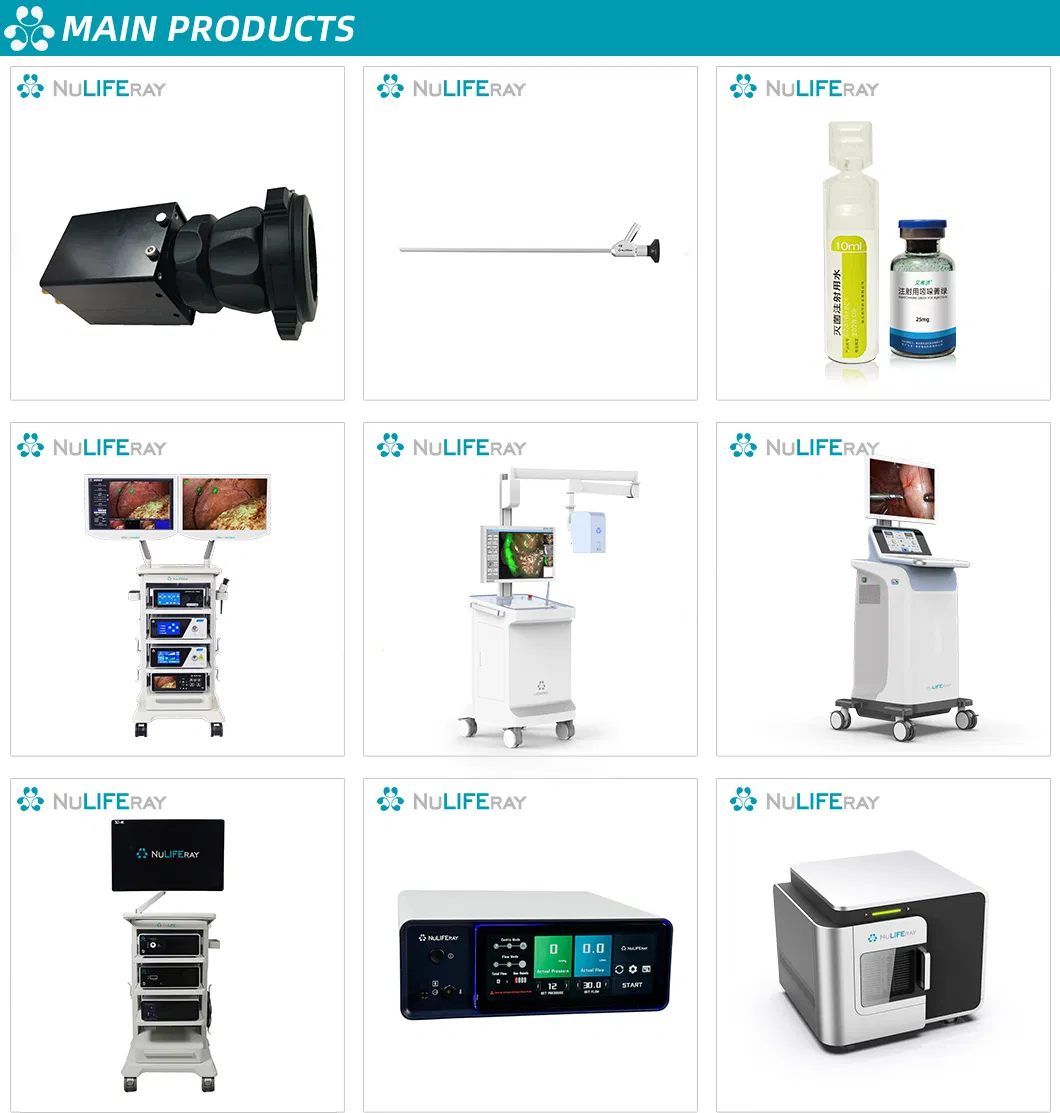
Our portfolio includes high-end medical devices (fluorescence imaging series), fluorescence contrast agents (ICG, targeted agents), and core components (CMOS modules, endoscopes), providing comprehensive clinical solutions.
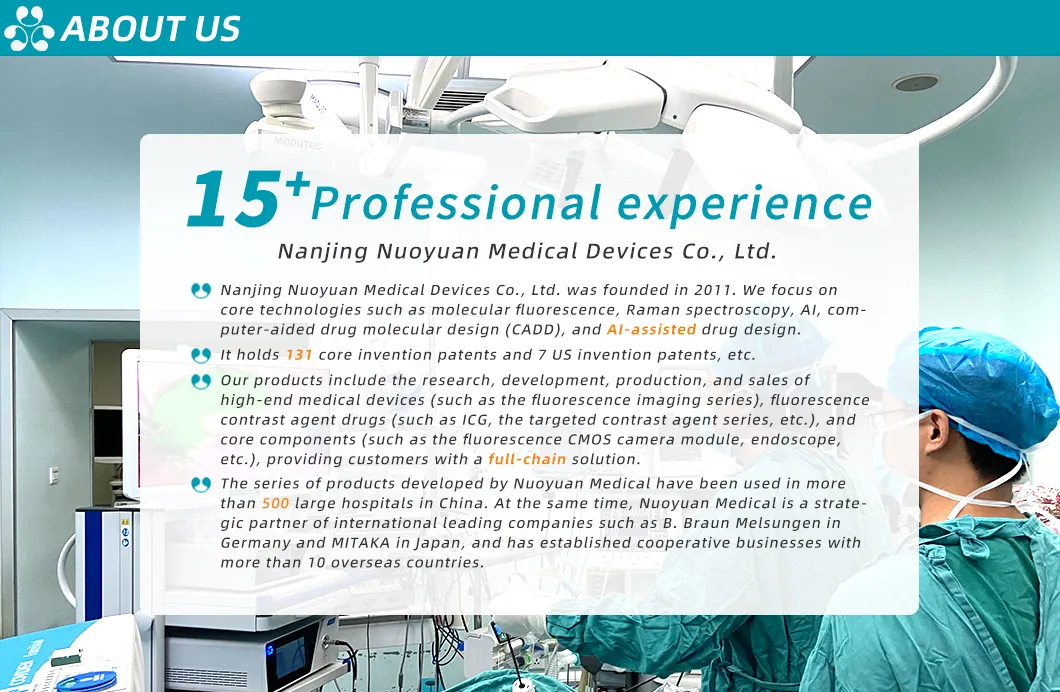
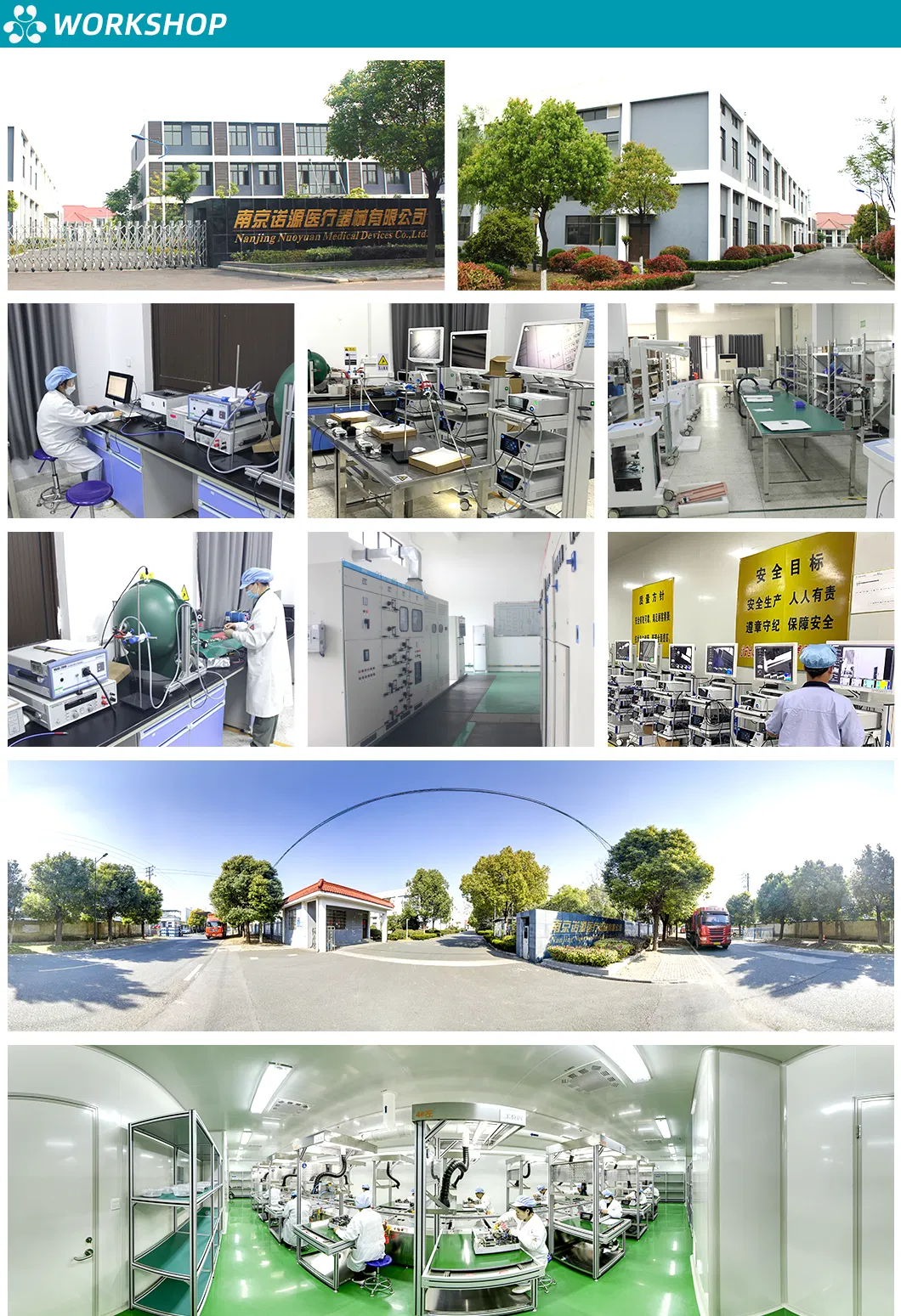
Focusing on molecular fluorescence, AI, and computer-aided drug design, we aim to be a global leader in medical synergy. With 131 core invention patents, our products are utilized in over 500 major hospitals.