Pioneering equipment, specialized reagents, and medical devices serving orphan drug development and manufacturing lines.
Orphan drugs—formulated to treat rare diseases affecting a small fraction of the global population—pose unique challenges for procurement officers, chemical synthesizers, and contract manufacturing organizations (CDMOs). Unlike mass-market blockbusters, orphan drug manufacturing is defined by small batch volumes, high chemical complexity, and rigorous purity constraints. Sourcing the active pharmaceutical ingredients (APIs) and advanced intermediates requires partnerships with factories that have flexible, high-technology footprints.
As global markets consolidate, identifying the right manufacturing ecosystem becomes a matter of life-saving timing. Buyers demand specialized R&D expertise to synthesize raw materials that meet international pharmacopeia standards (USP, EP, JP, ChP). This report maps the manufacturing landscape, dissecting production processes, regulatory hurdles, and localized sourcing strategies.
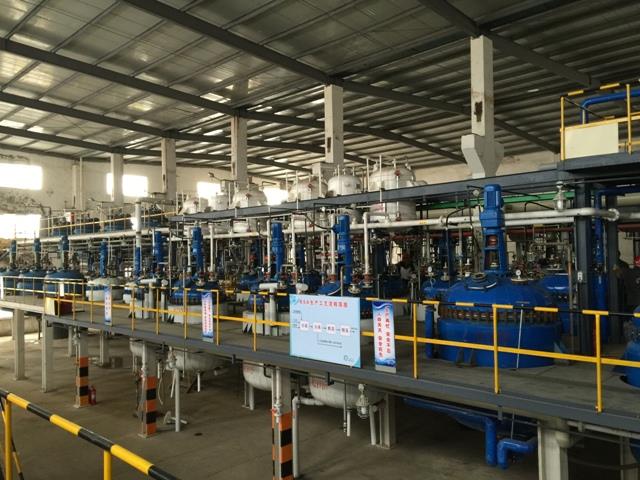
Examining a leading-edge partner in custom API synthesis, regulatory consulting, and intermediate sourcing.
Located in Hangzhou, Zhejiang Province, Hangzhou Jeci Biochem Technology Co., Ltd. has positioned itself at the nexus of advanced molecular chemistry. By cultivating in-depth partnerships with leading Chinese new drug research institutes and multi-site custom processing facilities, the company offers agile development pipelines for chemical APIs and novel intermediates.
Recognizing that orphan drug market authorization hinges on absolute data integrity, Jeci Biochem provides end-to-end consulting for factory quality management system certification. This includes preparing facilities for international audits and ensuring local manufacturing procedures match global cGMP benchmarks.
In international trade, Jeci Biochem bridges Chinese production facilities with primary rare disease markets including India, Southeast Asia, South Korea, and Japan. They act as regional agents, handling complex local product registrations and expanding commercial channels for overseas pharmaceutical companies targeting the Chinese market.
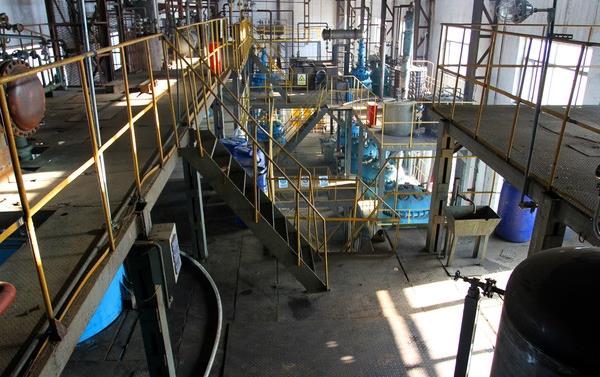
Developing APIs and intermediates for niche therapies requires access to diverse chemical materials and basic industrial reagents. Factories in China, particularly in high-tech pharmaceutical zones like Zhejiang, offer structural advantages that are crucial for orphan drug developers:
Exploring the technological equipment profiles that drive quality output for advanced therapies.
Orphan biologicals, cell therapies, and specialized chemical molecules rely on customized, ISO-approved equipment. Standard manufacturing plants are designed for continuous large-scale synthesis, which is ill-suited for the variable, highly controlled parameters of orphan drugs.
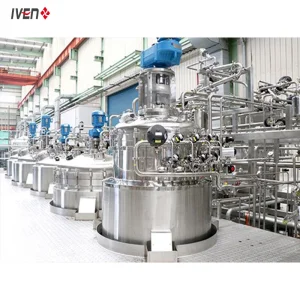
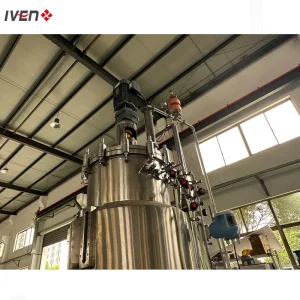
Modern facilities employ advanced batch processing systems and modular cell culture systems (bioreactors and fermenters). These units allow for rapid changes between product runs, reducing cleaning validation (CIP/SIP) overheads and eliminating cross-contamination risks. This flexibility is critical when a factory manufactures multiple different orphan therapies within the same calendar year.
Moreover, advanced engineering enables micro-dosing and precise environmental controls during synthesis. Real-time Process Analytical Technology (PAT) monitors molecular formation steps, assuring that every single batch, regardless of its limited size, conforms to the highest purity requirements.
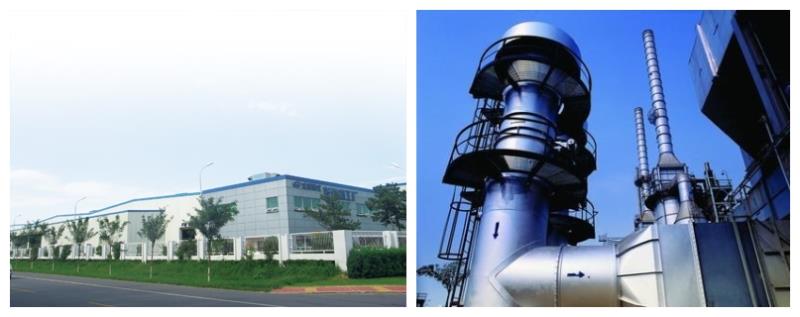
Navigating the complex approvals required to market orphan drugs across international jurisdictions.
Orphan Drug Designation (ODD) programs by the FDA and EMA grant special exclusivity and fee waivers. However, manufacturers must maintain an active Drug Master File (DMF) with the FDA or a Certificate of Suitability (CEP) with the EDQM. Expert local partners assist in compiling, translating, and aligning manufacturing data to fit these specific regulatory formats.
The National Medical Products Administration (NMPA) of China has introduced priority review channels for clinical-urgent foreign new drugs, particularly orphan therapies. Navigating this path requires a localized regulatory agent who understands local clinical trial waiver procedures and can coordinate with testing institutes.
With virtual pharma firms outsourcing up to 100% of their manufacturing, remote and on-site factory audits are standard. Global developers must verify that their chosen Chinese production facility maintains robust ALCOA+ data integrity, safeguarding batch validation files, chromatography logs, and quality check records.
Key criteria procurement managers must evaluate when selecting custom synthesis factories.
Procurement of orphan drug ingredients requires checking boxes beyond typical commodity chemical buying. Below are the critical engineering and quality specifications that must be scrutinized during vendor audits:
Many small-molecule orphan drugs are highly chiral. The manufacturer must prove high enantiomeric excess (typically >99.5% ee) through validation techniques like chiral HPLC. This prevents toxic optical isomers from entering the final drug substance.
Regulatory bodies demand zero or near-zero levels of genotoxic impurities. Factories must have high-resolution mass spectrometry (LC-MS/MS or GC-MS) to trace and quantify volatile, nitrosamine, or alkylating impurities down to ppm/ppb levels.
Can the factory run small batches (e.g., 5kg to 50kg) economically? Heavy-duty chemical manufacturing blocks built for multi-ton outputs struggle to down-scale, meaning developers must seek specialized clinical-supply facilities with micro-scale reactors.
Predicting the technological shifts that will define rare disease supply chains over the next decade.
The orphan drug industry is rapidly moving from traditional small molecules toward advanced modalities. This transformation demands new approaches from manufacturers:
Key information covering the technical, regulatory, and logistical aspects of orphan drug manufacturing.
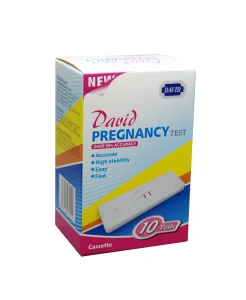
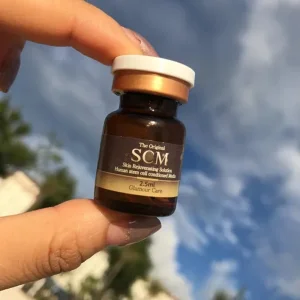
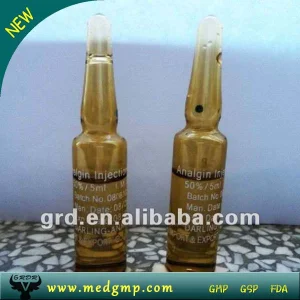
Complementary equipment, diagnostics tools, and packaging systems critical to the overall pharmaceutical and clinical supply chain.
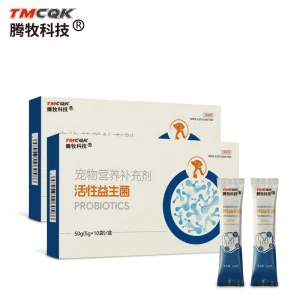
 SJ medical